The Olympia, Washington City Council adopted a new Housing Options Code Amendments ordinance, effectively eliminating single-family zoning in the city.


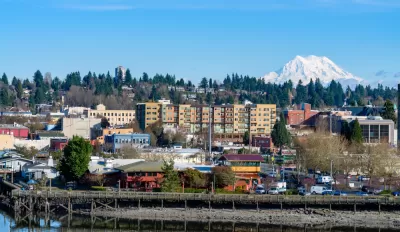
The Olympia City Council made planning history as the latest local jurisdiction to adopt a package of zoning reforms to "allow denser housing types in the city’s single-family zoned neighborhoods," reports Brandon Block.
The Housing Options Code Amendments ordinance approved unanimously by the City Council this week "effectively eliminating single-family zoning throughout much of the city."
The ordinance applies to zoning districts R 4-8 (Residential 4-8 units per acre) and R 6-12 (Residential 6-12 units per acre), which collectively account for 68 percent of the city and its urban growth area.
"As The Olympian reported in November, the ordinance legalizes duplexes, triplexes, and fourplexes in R 4-8, as well as triplexes, fourplexes, sixplexes, and courtyard apartments in R 6-12, commonly known as the “duplex zone” (because it already allows duplexes). The height of all of those building types is capped at two stories. It also removes or loosens parking, size, and height, and owner-occupancy restrictions on Accessory Dwelling Units," adds Block for additional detail.
The state Growth Management Hearings Board rejected a previous attempt by the city to legalize Missing Middle Housing construction.
Olympia's new zoning reforms take advantage of a state law, HB 1923, passed in 2019 to exempt "specific zoning code reforms that encourage the construction of additional housing are not subject to [Washington State Environmental Policy Act] appeal."
Update: Stephen Fesler provides in-depth analysis of Olympia's new zoning changes for The Urbanist.
FULL STORY: Olympia City Council passes comprehensive zoning reform ordinance

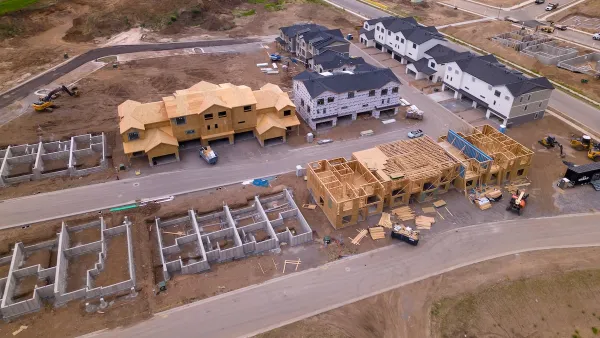
‘Montana Miracle:’ The State Actually Succeeding at Housing Reform
A series of ambitious zoning reforms is having a significant impact on the state’s housing supply.

NYC Council Approves Brooklyn Rezoning Plan
The Atlantic Avenue Mixed Use Plan includes infrastructure investments and could bring 4,600 new housing units to parts of Brooklyn.
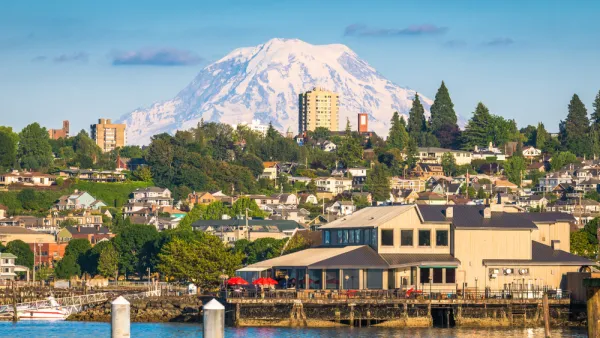
Tacoma Density Plan Moves to Phase Two
The Home in Tacoma plan would amend the city's zoning code to include more 'missing middle' housing types and encourage infill development.

The state-sanctioned urbicide of Austin
People don’t kill cities. Freeways do.

US to reduce Colorado River water deliveries to Mexico
A new Colorado Treaty amendment reduces Mexico’s Colorado River water allocation by 250,000 acre feet.

New Jersey’s second-largest city bans standalone data centers
Jersey City will continue to allow co-location facilities, such as those meant for research institutions that store their own data.

Amtrak not solely to blame for New Jersey commuter rail's unreliability, report finds
A new study from the Garden State Initiative found that NJ Transit’s budget grew 20% across a 4 year period, but reliability declined significantly over the same period.

EPA erases limits on planet-warming pollution from power plants
Under Monday’s plan, power plants would still have some limits on how much mercury, arsenic and other contaminants they can emit.

Phoenix announces new on-demand transit service, more frequent RAPID buses
Both new services will launch in October, and are part of Phoenix's Project Effective Access Solutions for Easing Congestion.

FREE Course: Walkable City 1: Why Walkability?
After describing his path towards focusing on walkability as the essence of good planning, Jeff Speck marches through his five principal reasons for making more walkable places.
Reinventing Malls: Planning Alchemy—Turning Gray Fields Into Gold
The course focuses on the opportunities and imperatives that shape reinvention of mall sites.

Eagle County Government
Harvard University Graduate School of Design
Nashville Planning Department
The Architects Foundation
University of Cincinnati Online
The Pocatello Development Authority
The Urban Renewal Agency of the City of Pocatello
Journal of the American Planning Association