To rent or to buy? A study from AARP and the Joint Center for Housing Studies at Harvard University weights the cost and benefits of each scenario for Americans 65 and older.


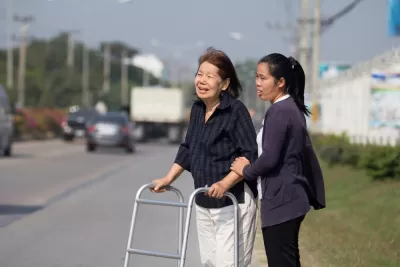
A new study recently delivered new insight into the most desirable living configurations for older Americans, comparing the costs and benefits of homeownership and living in rental properties.
"For Americans over age 65, rentals are usually the most safe, secure, affordable housing option that enhances independence and community engagement, according to a measure of neighborhood livability by AARP and the Joint Center for Housing Studies at Harvard University," reports Sarah Paynter.
According to the study, Americans older than 65 aren't likely to own homes in neighborhoods in close proximity to goods, services, and social stimulation. Given the population's tendency to have mobility-related difficulties, living far away from shopping, recreation, and other necessities can be difficult. Living in that house on the hill can come at a cost for seniors in the U.S.
"Homeowners over the age of 65, tended to live in less livable locations, but they did tend to have better air and water quality, health care, internet access, social engagement opportunities and job opportunities than renters," notes Paynter.
FULL STORY: Renting may be the best option for seniors, study finds

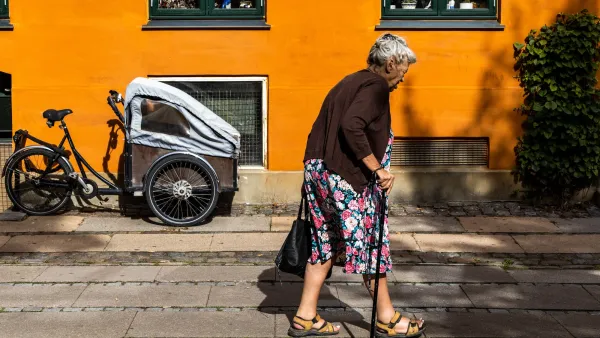
Great Cities Don’t Just Acknowledge That We Age In Them — They Build For It. We Can Too.
We age in sidewalks, public spaces, transit stops, and community centers — not in hospitals. As populations age, the built environment will determine whether our cities thrive or struggle in the decades ahead.

Study: Walkability Can Help Reduce Dementia Risk
Walkable neighborhoods offer natural opportunities to stay active and engaged with friends and neighbors, increasing residents’ chances of remaining mentally and physically healthy longer.

Survey Shows Boomers Are Unlikely to Stop Driving
Limited transit options and a lack of walkability mean more older Americans will continue to drive their cars as they age.

The state-sanctioned urbicide of Austin
People don’t kill cities. Freeways do.

US to reduce Colorado River water deliveries to Mexico
A new Colorado Treaty amendment reduces Mexico’s Colorado River water allocation by 250,000 acre feet.

New Jersey’s second-largest city bans standalone data centers
Jersey City will continue to allow co-location facilities, such as those meant for research institutions that store their own data.

Amtrak not solely to blame for New Jersey commuter rail's unreliability, report finds
A new study from the Garden State Initiative found that NJ Transit’s budget grew 20% across a 4 year period, but reliability declined significantly over the same period.

EPA erases limits on planet-warming pollution from power plants
Under Monday’s plan, power plants would still have some limits on how much mercury, arsenic and other contaminants they can emit.

Phoenix announces new on-demand transit service, more frequent RAPID buses
Both new services will launch in October, and are part of Phoenix's Project Effective Access Solutions for Easing Congestion.

FREE Course: Walkable City 1: Why Walkability?
After describing his path towards focusing on walkability as the essence of good planning, Jeff Speck marches through his five principal reasons for making more walkable places.
Reinventing Malls: Planning Alchemy—Turning Gray Fields Into Gold
The course focuses on the opportunities and imperatives that shape reinvention of mall sites.

Eagle County Government
Harvard University Graduate School of Design
Nashville Planning Department
The Architects Foundation
University of Cincinnati Online
The Pocatello Development Authority
The Urban Renewal Agency of the City of Pocatello
Journal of the American Planning Association