A tax break approved by the Texas Legislature is delivering massive benefits to developers in the state, but advocates say the public isn't getting the promised return on investment.


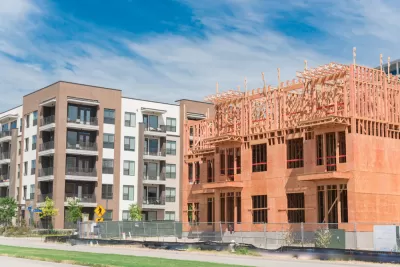
Eric Dexheimer shares news of new analysis from researchers at the University of Texas School of Law about the effect of a 2015 tax break approved, ostensibly, for affordable housing projects in Texas. The tax break was approved in a last minute amendment "onto a densely worded bill updating finance statutes" by Republican State Senator Craig Estes and promised to deliver a financial boost to affordable housing developers.
"Since then, the one-sentence amendment has resulted in private developers receiving tens of millions of dollars in property tax breaks. It has saved them millions more in tax-free construction costs — all with scant benefit to the public," explains Dexheimer of the findings of the study released earlier this week.
In response to the quick popularity of the tax break for projects around the state, estimated by the report to deliver annual property tax breaks to apartment developers of close to $1 million per property on average, advocates are pressing back on the idea that the project is delivering promised low-income housing.
[T]hanks in part to a series of loopholes buried in the paperwork, the so-called affordable housing created in exchange for the 2015 tax breaks often is as expensive as market-rate apartments, said Heather Way, a professor at the Austin law school and lead author of the study. “The public’s just not getting the return on its investment,” she said.
John Henneberger, co-director of the Texas Low-Income Housing Information Service, is quoted in the article raising the stakes on Way's statement. Henneberger says the tax break is a misuse of taxpayer funds.
FULL STORY: How a big Texas tax break created not-so-affordable housing

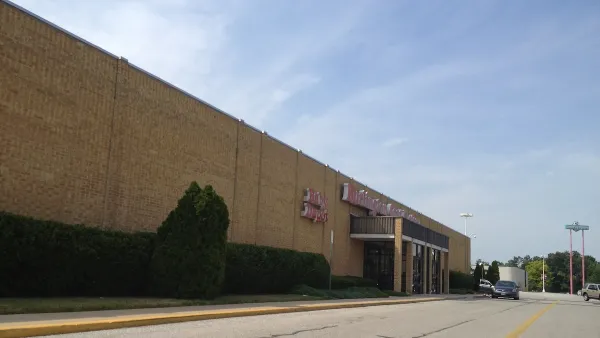
Baltimore Grants Affordable Housing Developer 30-Year Tax Break
Some housing advocates say the $16.5 million deal’s 10% affordable housing requirement is insufficient and that incentives shouldn’t be given out on a case by case basis.
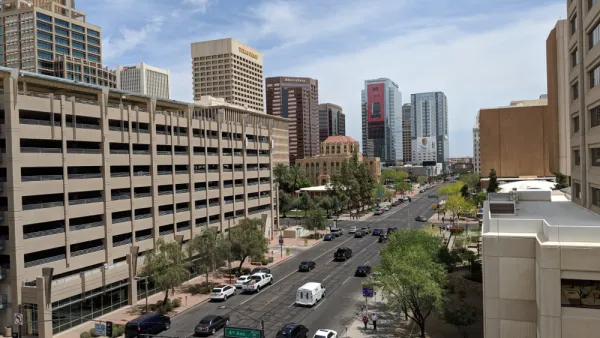
Tax Breaks Offered in Exchange for Affordable Housing in Downtown Phoenix
The state of Arizona doesn't allow local jurisdictions to charge affordable housing fees for new developments, so the city of Phoenix is offering tax breaks as an incentive instead.

Seeking Mixed-Income Housing Developers in Columbia, South Carolina
Columbia, South Carolina is concerned about the lack of affordable housing in its city, potentially making it difficult for fire fighters, teachers, and more to afford to live in the community.

Planetizen Federal Action Tracker
A weekly monitor of how Trump’s orders and actions are impacting planners and planning in America.

The state-sanctioned urbicide of Austin
People don’t kill cities. Freeways do.

US to reduce Colorado River water deliveries to Mexico
A new Colorado Treaty amendment reduces Mexico’s Colorado River water allocation by 250,000 acre feet.

5 New England states march closer to 800 megawatt wind energy project
Securing federal approval for the project may be complicated under the Trump administration, which has historically been hostile towards domestic wind power.

Baltimore to break ground on $50 million Transit Priority Project
The project will bring faster bus trips, safer streets and better bike connections to Baltimore.

Airbnb launches $250 million 'last-dollar financing' housing accelerator, makes first investment in Austin
The company will put $6.4 million towards affordable housing development in Texas’ capital.

FREE Course: Walkable City 1: Why Walkability?
After describing his path towards focusing on walkability as the essence of good planning, Jeff Speck marches through his five principal reasons for making more walkable places.
Reinventing Malls: Planning Alchemy—Turning Gray Fields Into Gold
The course focuses on the opportunities and imperatives that shape reinvention of mall sites.

Eagle County Government
Harvard University Graduate School of Design
Nashville Planning Department
The Architects Foundation
University of Cincinnati Online
The Pocatello Development Authority
The Urban Renewal Agency of the City of Pocatello
Journal of the American Planning Association