Computer simulations continue to play a novel and important role in urban planning, especially in finding new ways to engage the public and add some fun to the process of planning for the future of cities.


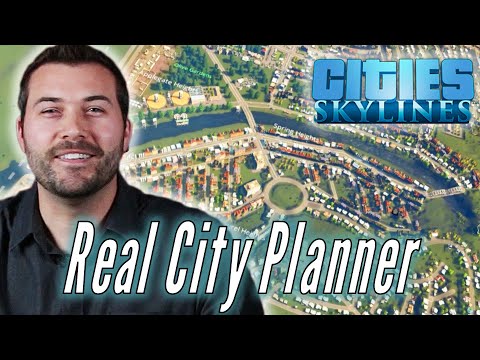
Urban planners are using Cities: Skylines to test and showcase planning ideas, according to an article by parCitypatory written in collaboration with Dennis Gastelum.
While noting that the game is indicative of many of the problems with urban planning in the United States, like car-centric infrastructure and development patterns and a tendency to prioritize investments in already wealthy neighborhoods, for example, the article touts the public engagement tools built into the game as a gateway to understanding the critical component of public engagement.
However, there are some interesting elements of the game that allow you to have an interaction between the player and its simulated citizens. There is Chirper, a Twitter-like dialog bar that allows you to know how citizens are feeling about your recent actions, as well as a measurement of general happiness that helps you guide your decisions.
Still, according to the article, the simulated engagement process is no substitute for the real thing, and planners that want to expand the power of the game to inform planning processes will have to bring in real humans to interact with the models provided by the game's simulation. Numerous examples of planners using the game as an engagement tool follow, including the example shown in the video shared above. The following video shows an example of planners in Stockholm using the game as an engagement tool to plan the Norra Djurgardstaden area of the city, with goals for 12,000 homes and 35,000 workspaces.
The article also notes that Cities: Skylines isn't the only game with the potential to supplement public engagement processes: "Similarly, other games such as Fortnite, Minecraft and UrbanFootprint are used in many cities around the world to develop urban planning projects. Even UN Habitat is using Minecraft to change neighbourhood design with the Block by Block project." Don't forget SimCity, too!
FULL STORY: Designing Cities with Computer Games: Simulating Citizen Participation


How a City Planner Plays SimCity
A gaming video on the popular City Beautiful YouTube channel shows of the Sim City skills of a professional city planner.
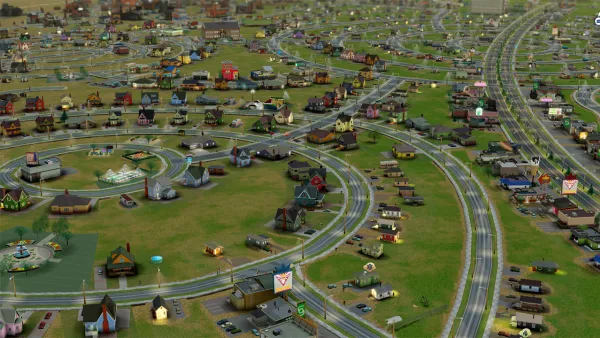
The Not-So-Great Lessons of SimCity
A game encountered as a youth has brought many adults to the ranks of professional planning. What, then, is the legacy of the lessons offered by SimCity and its brethren?

10 urbanist video games that aren’t Sim City
Sim City may have inspired an entire generation of urban planners — but these games have perfected the art of city-building simulation.

Planetizen Federal Action Tracker
A weekly monitor of how Trump’s orders and actions are impacting planners and planning in America.

The state-sanctioned urbicide of Austin
People don’t kill cities. Freeways do.

US to reduce Colorado River water deliveries to Mexico
A new Colorado Treaty amendment reduces Mexico’s Colorado River water allocation by 250,000 acre feet.

Mamdani overhauls NYC's Vision Zero plan with 100 new policy goals
The overhaul aims to reduce traffic deaths and make streets safer for pedestrians, cyclists and drivers through lower speed limits, new safety infrastructure and more.

Amtrak not solely to blame for New Jersey commuter rail's unreliability, report finds
A new study from the Garden State Initiative found that NJ Transit’s budget grew 20% across a 4 year period, but reliability declined significantly over the same period.

EPA erases limits on planet-warming pollution from power plants
Under Monday’s plan, power plants would still have some limits on how much mercury, arsenic and other contaminants they can emit.

FREE Course: Walkable City 1: Why Walkability?
After describing his path towards focusing on walkability as the essence of good planning, Jeff Speck marches through his five principal reasons for making more walkable places.
Reinventing Malls: Planning Alchemy—Turning Gray Fields Into Gold
The course focuses on the opportunities and imperatives that shape reinvention of mall sites.

Eagle County Government
Harvard University Graduate School of Design
Nashville Planning Department
The Architects Foundation
University of Cincinnati Online
The Pocatello Development Authority
The Urban Renewal Agency of the City of Pocatello
Journal of the American Planning Association