A game encountered as a youth has brought many adults to the ranks of professional planning. What, then, is the legacy of the lessons offered by SimCity and its brethren?


Daniel Hertz describes the outsized impact of SimCity on the public awareness of the concepts of planning:
By making thousands and thousands of people plan commercial, industrial, and residential districts for their virtual towns, the creators of SimCity have probably done more than anyone in the history of the world to introduce basic principles of zoning to the public.
Now that SimCity has spawned several sequels, a version for tablets, and a rival game called Cities: Skylines, Hertz is much more prepared to mine the game for lessons. As Hertz puts it, he made some notes "on what a video game can teach us about the biases and blind spots of real-life urban planning in the US…"
The list, with a lot more detail in the article, includes the following:
- You must zone—and use single-use zoning.
- You must give cars primacy on the street.
- Parking doesn’t exist.
- It’s all about the built environment.
- There are no politics.
Read the full story: What I learned playing SimCity

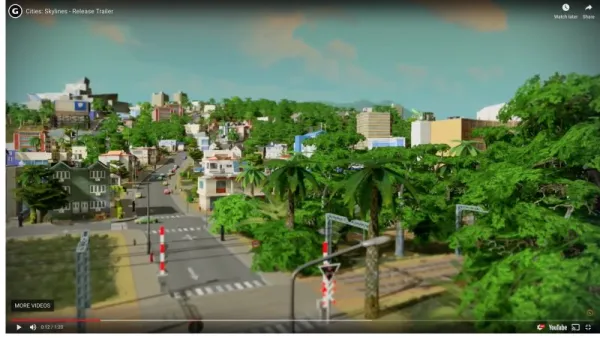
Cities: Skylines as an Urban Planning Tool
Computer simulations continue to play a novel and important role in urban planning, especially in finding new ways to engage the public and add some fun to the process of planning for the future of cities.

How a City Planner Plays SimCity
A gaming video on the popular City Beautiful YouTube channel shows of the Sim City skills of a professional city planner.
Friday Funny: The Ultimate SimCity
Behold Magnasanti, the ultimate city built using the SimCity game with no cheats, with a population of 9 million residents.

Planetizen Federal Action Tracker
A weekly monitor of how Trump’s orders and actions are impacting planners and planning in America.

Data reveals that NYC’s bet on congestion pricing has paid off
After almost two years of the program, reports show positive impacts on traffic and air quality and no disruptions to parking.

HUD modernizes 50-year-old manufactured housing framework
The Next Generation Manufactured Housing Action Plan establishes new energy-efficiency standards for manufactured homes, and new guidelines for anchoring them.

Small single-family homes are illegal in most of MA. Voters can change that
Most land zoned for single-family housing in Massachusetts requires at least 40,000 square feet of land per house.

Public steps inside U.S.’s first battery-powered train
Metra’s groundbreaking train feature modern seats and a futuristic battery car.

Companies show off AI technology, new innovation hubs at APTA Expo
Nearly 700 companies attended the American Public Transportation Association’s Expo last week, which happens once every three years.

FREE Course: Walkable City 1: Why Walkability?
After describing his path towards focusing on walkability as the essence of good planning, Jeff Speck marches through his five principal reasons for making more walkable places.
Reinventing Malls: Planning Alchemy—Turning Gray Fields Into Gold
The course focuses on the opportunities and imperatives that shape reinvention of mall sites.

One Hundred Miles
County of Mendocino
planning NEXT
The Architects Foundation
University of Cincinnati Online
Montrose County
Northern Illinois Transit Authority (NITA)
The Pocatello Development Authority