The realities of social distancing are allowing for innovations and experimentations with real opportunities for long-term benefit in cities, according to an article by Allison Arieff.


Staying at home to stem the spread of the coronavirus has offered a rare experiment, according to an article by Allison Arieff: "We can see our cities for the first time without the choking traffic, dirty air and honking horns that have so often made them intolerable."
Arieff is encouraged by the adaptability of San Francisco during this time of crisis—residents have turned the city into a pedestrian's paradise, the streets are quieter, and the skies are bluer. Arieff also acknowledges that Covid-19 is also "laying bare the stark reality of income inequality," but some of the innovations and "MacGyvering" that have taken root in response to the crisis have the potential to create a new normal after the crisis has abated, according to Arieff.
One of the key ways that potential is being realized and showcased during the crisis is on streets: "Urban planners have long argued that more streets should close to make more livable spaces, but governments have always resisted, calling it impractical or impossible. They’ve just proved it can happen — and they should keep it going after the crisis."
The mere existence of this experiment in the public realm, and several other, smaller interventions, like deactivated pedestrian "beg buttons," offer some hope that cities will eventually act to prevent the worst outcomes of climate change. Time will tell whether these changes can last, according to Arieff, and for the many hopeful developments listed in this story, there are also concerning developments regarding privacy and discrimination.
FULL STORY: The Magic of Empty Streets

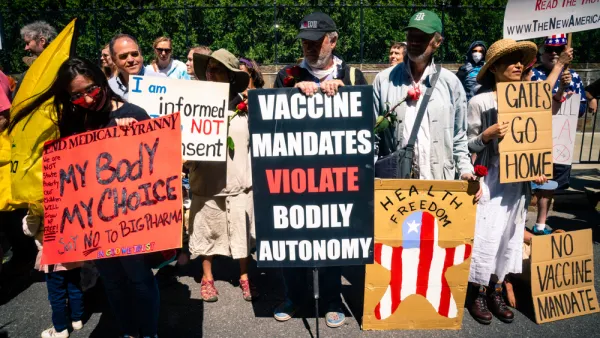
The Shifting Demographics of Covid-19
For most of the Covid-19 pandemic, Black Americans died at much higher rates than White Americans. That trend has reversed at times during the past year.
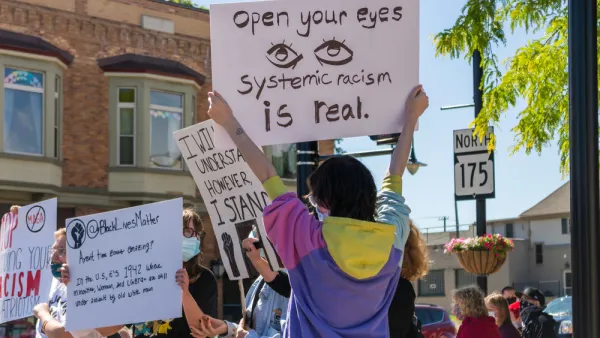
Racial Disparities in Life Expectancy Are a Place-Based Problem
New research from the Brookings Institution illuminates the racial disparities of public health outcomes both during and before the pandemic.
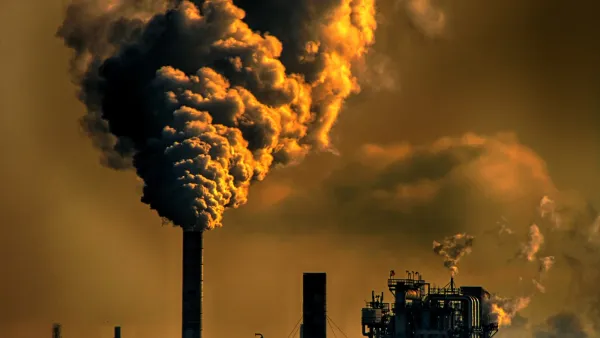
Study: Poor Air Quality Fuels COVID Transmission
Communities exposed to higher levels of air pollution experience higher rates of infection, particularly in areas with high population density.

Planetizen Federal Action Tracker
A weekly monitor of how Trump’s orders and actions are impacting planners and planning in America.

The state-sanctioned urbicide of Austin
People don’t kill cities. Freeways do.

US to reduce Colorado River water deliveries to Mexico
A new Colorado Treaty amendment reduces Mexico’s Colorado River water allocation by 250,000 acre feet.

Guerilla urbanists are building DIY bus stop benches in Chicago
A before-and-after of one of the bus stops with a new bench. The new benches are not officially sanctioned or permitted, but the residents who placed them hope they will be the start of a network of DIY benches across the city.

Mamdani overhauls NYC's Vision Zero plan with 100 new policy goals
The overhaul aims to reduce traffic deaths and make streets safer for pedestrians, cyclists and drivers through lower speed limits, new safety infrastructure and more.

Amtrak not solely to blame for New Jersey commuter rail's unreliability, report finds
A new study from the Garden State Initiative found that NJ Transit’s budget grew 20% across a 4 year period, but reliability declined significantly over the same period.

FREE Course: Walkable City 1: Why Walkability?
After describing his path towards focusing on walkability as the essence of good planning, Jeff Speck marches through his five principal reasons for making more walkable places.
Reinventing Malls: Planning Alchemy—Turning Gray Fields Into Gold
The course focuses on the opportunities and imperatives that shape reinvention of mall sites.

Eagle County Government
Harvard University Graduate School of Design
Nashville Planning Department
The Architects Foundation
University of Cincinnati Online
The Pocatello Development Authority
The Urban Renewal Agency of the City of Pocatello
Journal of the American Planning Association