Italy has been hit hard by the pandemic, and slowing the spread of the virus has meant dramatic changes in urban life.


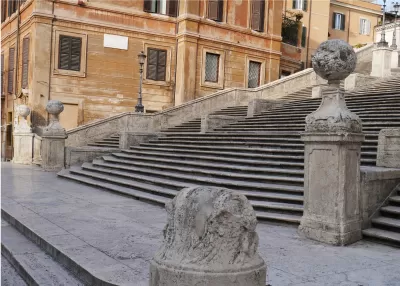
"The past days have seen a dramatic transformation of Italy’s urban space in a time of great tragedy. With the population under orders not to leave home apart from for specific needs, cities and villages have undergone a kind of desertification," writes Rosa Tamborrino.
Italy has seen a shift in about how public spaces are used and accessed, reflected in museums moving online. Social interaction, a central part of Italian life, has also left public spaces, says Tamborrino. For example, the common ritual of the aperitivo, drinks before dinner, in coffeeshops has ended, and people are now organizing online gatherings from their living rooms.
The typical noise of Italian cities has also taken on a different form, notes Tamborrino. "A new kind of flash mob creates collective actions from people’s windows at scheduled times: to light up Italy, to clap together in honour of doctors and nurses who are working without rest, to play some music, to sing the national hymn or simply to sing a song, together."
FULL STORY: Coronavirus: locked-down Italy’s changing urban space

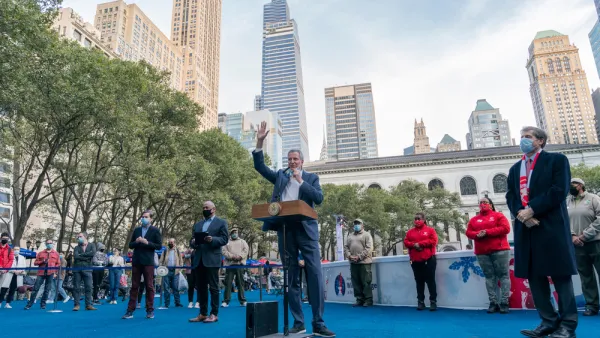
Winter Is Coming—Capitalize on It
Outdoor dining programs have provided relief for local restaurants and retailers, while offering an oasis of social life for residents. The winter months will challenge that momentum, but creative, flexible approaches can save the day again.
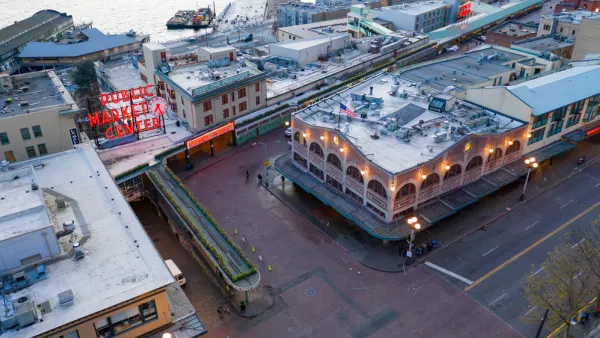
Seattle Extends Outdoor Dining for a Year, Eases Rules on Heaters for the Winter
Outdoor dining is going to hang out for a bit.
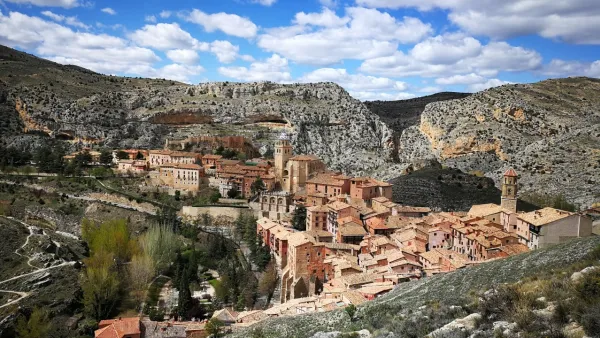
Abandoned Rural Spain Rebounds With People Fleeing Cities
COVID-19 is leading an exodus to rural areas, according to this article. The shift could hurt the economies of cities, but it also presents opportunities for younger residents and people looking for a more sustainable lifestyle.

Planetizen Federal Action Tracker
A weekly monitor of how Trump’s orders and actions are impacting planners and planning in America.

The state-sanctioned urbicide of Austin
People don’t kill cities. Freeways do.

US to reduce Colorado River water deliveries to Mexico
A new Colorado Treaty amendment reduces Mexico’s Colorado River water allocation by 250,000 acre feet.

5 New England states march closer to 800 megawatt wind energy project
Securing federal approval for the project may be complicated under the Trump administration, which has historically been hostile towards domestic wind power.

Baltimore to break ground on $50 million Transit Priority Project
The project will bring faster bus trips, safer streets and better bike connections to Baltimore.

Airbnb launches $250 million 'last-dollar financing' housing accelerator, makes first investment in Austin
The company will put $6.4 million towards affordable housing development in Texas’ capital.

FREE Course: Walkable City 1: Why Walkability?
After describing his path towards focusing on walkability as the essence of good planning, Jeff Speck marches through his five principal reasons for making more walkable places.
Reinventing Malls: Planning Alchemy—Turning Gray Fields Into Gold
The course focuses on the opportunities and imperatives that shape reinvention of mall sites.

Eagle County Government
Harvard University Graduate School of Design
Nashville Planning Department
The Architects Foundation
University of Cincinnati Online
The Pocatello Development Authority
The Urban Renewal Agency of the City of Pocatello
Journal of the American Planning Association