The Upper Harbor Terminal project is set to transform an area north of downtown, but residents are concerned about the long-term impacts and outcomes.


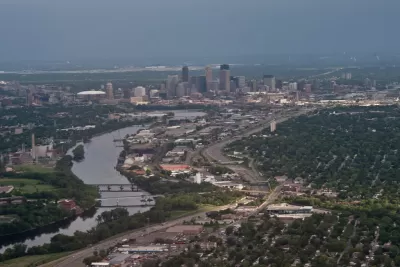
The Upper Harbor Terminal project in Minneapolis is slated to turn the 48-acre riverfront parcel into a mixed-use housing, commercial, and entertainment area. But as the project moves forward quickly, residents of the area, including a large African-American population, wonder if they are being left out of the planning process.
"For many north-siders, who for decades have heard economic promises made and broken, the question now is: Will this time be different? Can something be built that centers current residents culturally and creates wealth for them?" writes Kenzie O’Keefe.
Local activists say Upper Harbor Terminal is an opportunity to institute an inclusive process with more equitable outcomes that will prevent gentrification and displacement.
"In recent months, the idea of creating a community development corporation has surfaced. Led and run by north siders, it could have the technical capacity to own land and enter in community benefits agreements with the developers," notes O’Keefe.

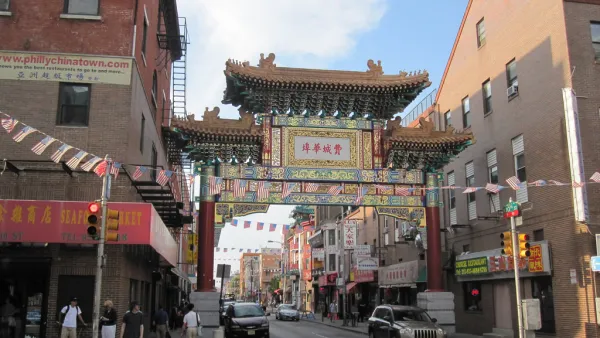
Equitable Development Plan Aims To Protect Philly's Chinatown
As the historic neighborhood experiences increased redevelopment around the new Rail Park, community activists are working to ensure older residents and businesses aren't displaced in the process.

The Need for an Equitable L.A. River Revitalization
Jon Christensen urges Los Angeles to ensure that new park amenities serve, rather than displace, the river's low-income communities.
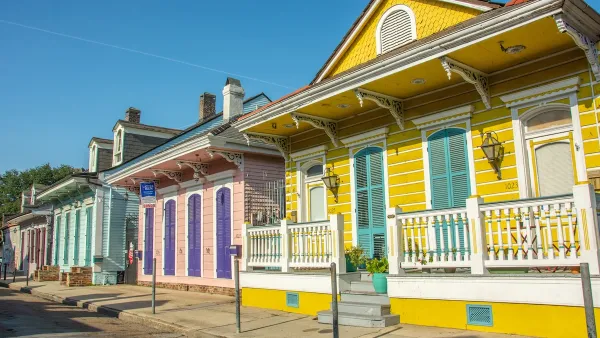
20 Years After Katrina, New Orleans is More Unaffordable Than Ever
The city’s post-hurricane redevelopment has failed to include its most vulnerable residents.

Planetizen Federal Action Tracker
A weekly monitor of how Trump’s orders and actions are impacting planners and planning in America.

The state-sanctioned urbicide of Austin
People don’t kill cities. Freeways do.

US to reduce Colorado River water deliveries to Mexico
A new Colorado Treaty amendment reduces Mexico’s Colorado River water allocation by 250,000 acre feet.

5 New England states march closer to 800 megawatt wind energy project
Securing federal approval for the project may be complicated under the Trump administration, which has historically been hostile towards domestic wind power.

Baltimore to break ground on $50 million Transit Priority Project
The project will bring faster bus trips, safer streets and better bike connections to Baltimore.

Airbnb launches $250 million 'last-dollar financing' housing accelerator, makes first investment in Austin
The company will put $6.4 million towards affordable housing development in Texas’ capital.

FREE Course: Walkable City 1: Why Walkability?
After describing his path towards focusing on walkability as the essence of good planning, Jeff Speck marches through his five principal reasons for making more walkable places.
Reinventing Malls: Planning Alchemy—Turning Gray Fields Into Gold
The course focuses on the opportunities and imperatives that shape reinvention of mall sites.

Eagle County Government
Harvard University Graduate School of Design
Nashville Planning Department
The Architects Foundation
University of Cincinnati Online
The Pocatello Development Authority
The Urban Renewal Agency of the City of Pocatello
Journal of the American Planning Association