Many employers offer subsidized parking to automobile commuters but no comparable benefits to those who walk, bicycle, or use public transit. A Washington, D.C. proposal would help correct this inequity.


David Alpert and Susan Balding write:
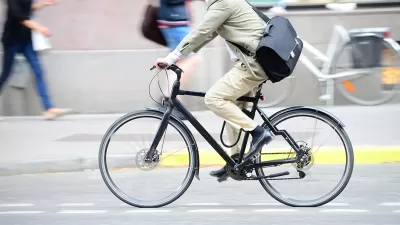
DC has the highest percentage of commuters who use non-auto mobiles. However, employer benefits are set up to give the biggest reward to people who drive, by subsidizing parking. This means more traffic and longer commutes.
A Washington DC Council bill, the Transportation Benefits Equity Act, could give employees the chance to trade in their parking space for extra cash and encourage drivers to explore other commuting options. After winning unanimous approval in committee, the bill will have the first of two votes in the full Council on March 3.
Read the full story: DC could pay you to ride transit, walk, or bike to work

Research Indicates the Large Potential Benefits of Parking Cash-Out Laws
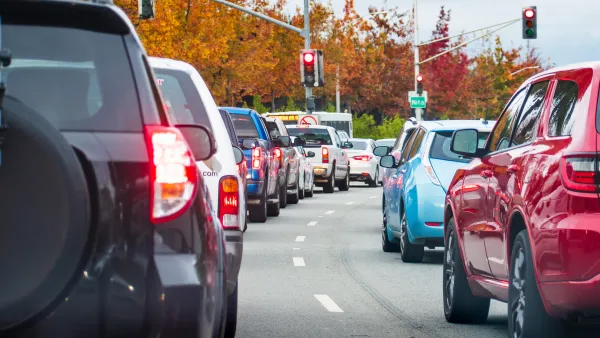
‘Free’ employee parking increases driving. Parking cash-out laws reward commuters who use climate-friendly modes, which increases fairness and reduces traffic problems.
Want to Reduce Traffic Congestion? Cash Out Employer-Paid Parking
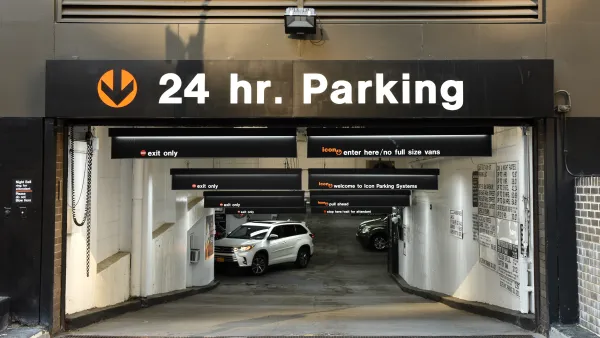
Employer-paid parking will undermine New York City’s congestion tolls. But parking cash-out policies like those in California and Washington D.C. can solve the problem.
Missing From the Climate-Energy Legislation: Bikes!
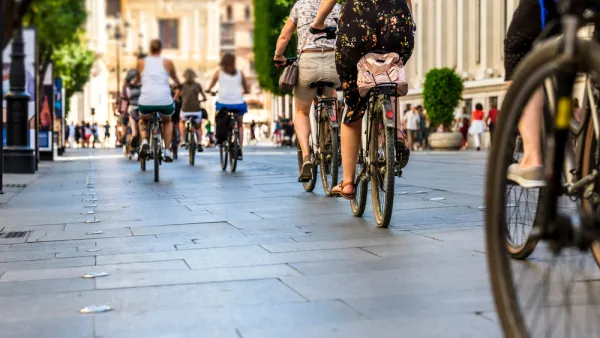
Missing from the Democrats' Inflation Reduction Act, the significant climate legislation which passed the Senate on a 51-50 party-line vote on Sunday with Vice President Harris casting the tie-breaking vote, is any mention of bikes.

Planetizen Federal Action Tracker
A weekly monitor of how Trump’s orders and actions are impacting planners and planning in America.

The state-sanctioned urbicide of Austin
People don’t kill cities. Freeways do.

US to reduce Colorado River water deliveries to Mexico
A new Colorado Treaty amendment reduces Mexico’s Colorado River water allocation by 250,000 acre feet.

Nation's most wind-powered state turns to coal as data centers increase energy demand
For the first time in decades, Iowa has increased its generation of coal power.

NYC cools commuters with city's first rain garden above a bus stop
New York City officials say the plants in the rain garden can absorb 16 gallons of rainwater during heavy storms.

Brightline West’s future may rely on $6 billion federal loan
The company has until Nov. 2 to make a $400 million equity investment into its proposed high-speed rail line.

FREE Course: Walkable City 1: Why Walkability?
After describing his path towards focusing on walkability as the essence of good planning, Jeff Speck marches through his five principal reasons for making more walkable places.
Reinventing Malls: Planning Alchemy—Turning Gray Fields Into Gold
The course focuses on the opportunities and imperatives that shape reinvention of mall sites.

Greater Baltimore Committee
Eagle County Government
Harvard University Graduate School of Design
The Architects Foundation
University of Cincinnati Online
The Pocatello Development Authority
The Urban Renewal Agency of the City of Pocatello
Journal of the American Planning Association