Tribal communities are preparing for climate impacts by drawing on their deep understanding of the relationship between humans and the natural environment.


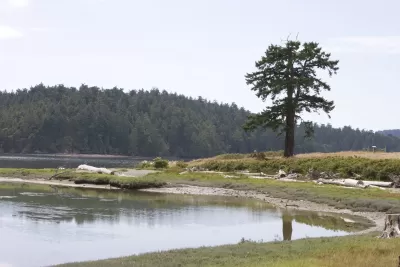
Indigenous communities across the country are leading the way in addressing climate change, which is directly affecting tribal lands, reports Nicola Jones. The tribes’ connections to natural resources and understanding of ecosystems have been integral in the development of forward-thinking practices and policies to protect the environment.
"These are communities that have relied on the land for generations, building an intimate knowledge of the natural cycles of plants, animals, and weather. Unlike the traditional Western worldview that humanity can and should seek dominion over the environment, indigenous populations tend to view humanity as part of an interconnected whole," writes Jones.
The Swinomish in Washington state, for example, have launched projects to protect salmon runs and restore oyster beds. "For the Swinomish, as for many indigenous groups, it makes little sense to talk about environmental health and human health separately; they are deeply intertwined, with community cohesion and traditional food security being equally vital," says Jones.
Read the full story: How Native Tribes Are Taking the Lead on Planning for Climate Change

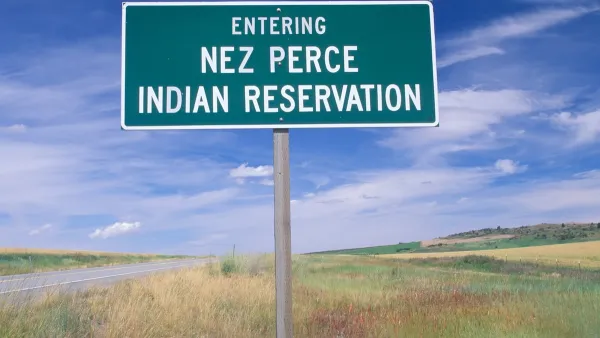
Native American Communities Prepare to Lead on Environmental Stewardship
In the face of federal threats to public lands and conservation efforts, indigenous groups continue to model nature-centered conservation efforts.
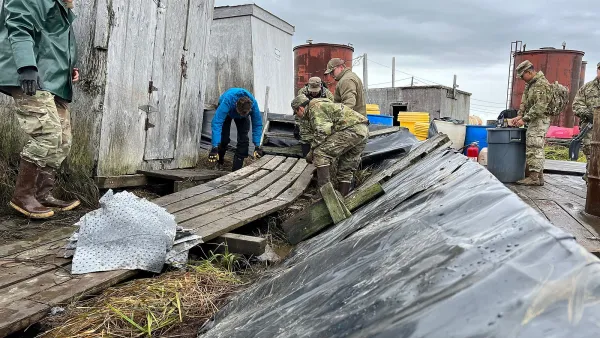
Federal Grants Aid Native Relocation, but Will They Be Enough?
Increasingly threatened by the impacts of climate change and extreme weather, many Native Alaskan and other indigenous communities will have to relocate—and soon.
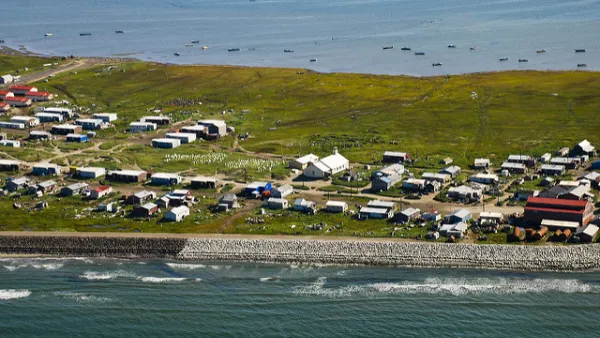
Coastal Tribes Facing Numerous Existential Threats From Climate Change
From Alaska to Washington, climate change is real, and it’s here now, for indigenous tribes.

Planetizen Federal Action Tracker
A weekly monitor of how Trump’s orders and actions are impacting planners and planning in America.

Colorado’s Largest Data Center Could Rise Next to Homes — Without a Public Hearing
The proposed campus would consume 11 times the power of Denver International Airport; as it has across the country, opposition mounts.

US to reduce Colorado River water deliveries to Mexico
A new Colorado Treaty amendment reduces Mexico’s Colorado River water allocation by 250,000 acre feet.

'This is going to be painful:’ Virginia stares down $1.7 billion funding gap for highway maintenance
The state may address the deficit by shifting $290 million from its construction budget to maintenance projects.
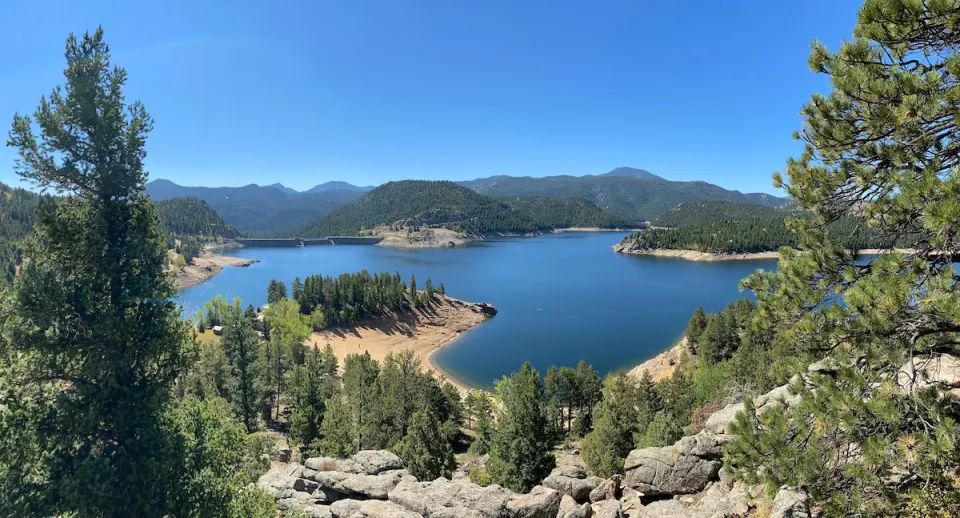
Judges permit Denver to divert 77,000 acre feet from the Colorado River for reservoir expansion
Overuse and climate change have caused the Colorado River’s water levels to plummet.

Amtrak, CN end decades-long dispute with eight-year agreement
The new operating agreement establishes an updated framework for the companies to work together, including processes to resolve disputes.

FREE Course: Walkable City 1: Why Walkability?
After describing his path towards focusing on walkability as the essence of good planning, Jeff Speck marches through his five principal reasons for making more walkable places.
Reinventing Malls: Planning Alchemy—Turning Gray Fields Into Gold
The course focuses on the opportunities and imperatives that shape reinvention of mall sites.

KFH Group Inc.
Greater Baltimore Committee
Eagle County Government
The Architects Foundation
University of Cincinnati Online
The Pocatello Development Authority
The Urban Renewal Agency of the City of Pocatello