After a brief appearance in 2012, ride-hailing companies like Uber and Lyft had yet to touch down in Vancouver, British Columbia. That changed on January 24.



"Uber conquered North America a long time ago. Except for Vancouver," writes Alison Griswold.
The city shut down Uber after a brief period of operation in 2012, and the company's usual lobbying tactics hadn't worked until this month.
In late 2014, with Uber rumored to be eyeing a return to Vancouver, the city placed a six-month moratorium on issuing new taxi licenses and British Columbia deployed plainclothes transit agents to monitor for any illegal taxi operators. Over the next few years, the city council repeatedly extended the moratorium.
So it was a very big deal when yesterday (Jan. 23) the Passenger Transportation Board announced it had approved both Uber and Lyft to operate their ride-hail services in parts of British Columbia.
Uber emailed users to report that they would be launching service the next day, January 24.
Griswold references a September 2019 article published by Slate that reports Vancouver had faired just fine without ride-hailing companie, so it will be a city to watch in coming months and years to track the effect the change.
FULL STORY: The last major city in North America without Uber is about to get Uber

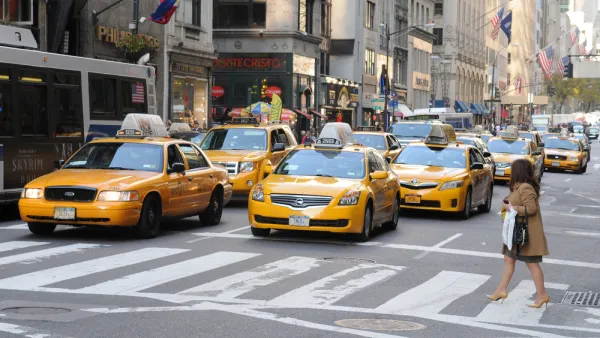
Ride-Hailing Prices Skyrocket as the U.S. Emerges From the Pandemic
A shortage of drivers and spiking demand are driving Uber and Lyft prices higher than ever as the companies struggle to achieve profitability.
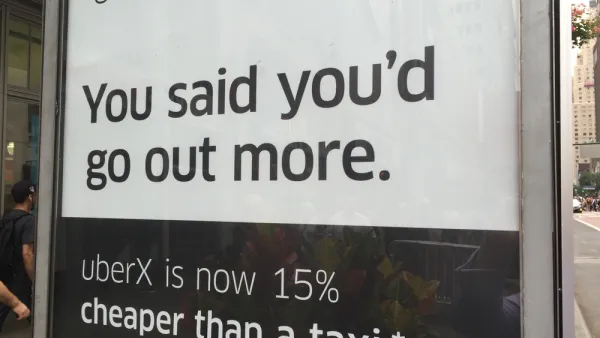
Report: Ride-Hailing Drastically Increases Vehicle Miles Traveled
New research published in Transport Policy finds that ride-hailing companies increase vehicle miles traveled of users by 97 percent in Chicago, 114 percent in New York City, and 118 percent in San Francisco.
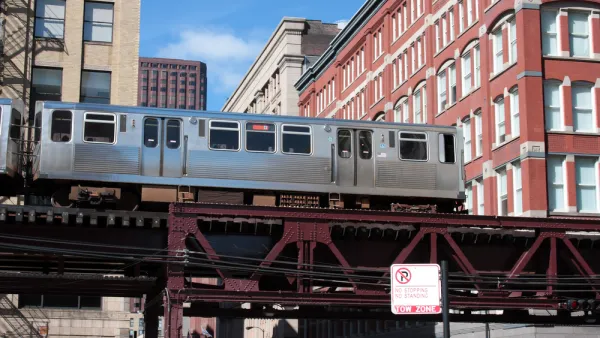
New Research Connects Land Use to Ride-Hailing Trips
Many of the places in Chicago generating the most ride-hailing trips with services like Uber and Lyft are accessible by transit, according to new research.

Planetizen Federal Action Tracker
A weekly monitor of how Trump’s orders and actions are impacting planners and planning in America.

The state-sanctioned urbicide of Austin
People don’t kill cities. Freeways do.

US to reduce Colorado River water deliveries to Mexico
A new Colorado Treaty amendment reduces Mexico’s Colorado River water allocation by 250,000 acre feet.

5 New England states march closer to 800 megawatt wind energy project
Securing federal approval for the project may be complicated under the Trump administration, which has historically been hostile towards domestic wind power.

Baltimore to break ground on $50 million Transit Priority Project
The project will bring faster bus trips, safer streets and better bike connections to Baltimore.

Airbnb launches $250 million 'last-dollar financing' housing accelerator, makes first investment in Austin
The company will put $6.4 million towards affordable housing development in Texas’ capital.

FREE Course: Walkable City 1: Why Walkability?
After describing his path towards focusing on walkability as the essence of good planning, Jeff Speck marches through his five principal reasons for making more walkable places.
Reinventing Malls: Planning Alchemy—Turning Gray Fields Into Gold
The course focuses on the opportunities and imperatives that shape reinvention of mall sites.

Eagle County Government
Harvard University Graduate School of Design
Nashville Planning Department
The Architects Foundation
University of Cincinnati Online
The Pocatello Development Authority
The Urban Renewal Agency of the City of Pocatello
Journal of the American Planning Association