Sources report that proposed changes to the National Environmental Policy Act would limit the kinds of projects subject to federal environmental review, and remove climate change as a consideration for large infrastructure projects.


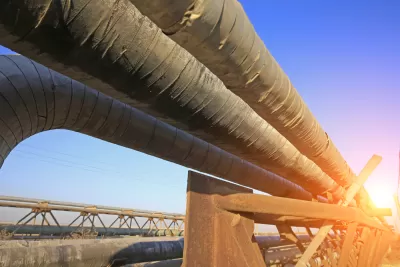
Lisa Friedman reports: "Federal agencies would no longer have to take climate change into account when they assess the environmental impacts of highways, pipelines and other major infrastructure projects, according to a Trump administration plan that would weaken the nation’s benchmark environmental law."
"The proposed changes to the 50-year-old National Environmental Policy Act could sharply reduce obstacles to the Keystone XL oil pipeline and other fossil fuel projects that have been stymied when courts ruled that the Trump administration did not properly consider climate change when analyzing the environmental effects of the projects," adds Friedman. Some of the changes would end the need to consider cumulative environmental impacts, like climate change, during federal environmental review, according to the article.
The article includes more details on the proposed changes, as well as details of NEPA in its current form, set against the context of the Trump administration's efforts to rollback environmental regulations during its time in office.
FULL STORY: Trump Rule Would Exclude Climate Change in Infrastructure Planning

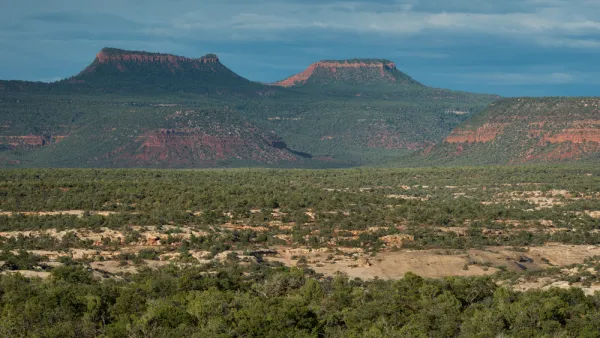
The Trump Administration's Trail of Broken Environmental Regulations
Critics of the Trump administration who chide the president for a lack of accomplishments should check the environmental record.

New York City Congestion Pricing Confounded by Federal Delay
While New York City's congestion pricing scheme waits for needed federal approval, political support seems to waver.
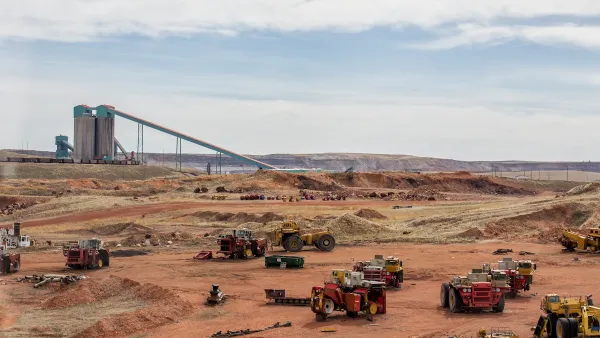
A Win for ‘Keep it in the Ground’
Coal mining in Wyoming will take a major hit as a result of a U.S. Department of Interior plan to cease future leasing of coal mines in the nation's most productive coal mining basin. The decision casts a spotlight on the presidential election.

The state-sanctioned urbicide of Austin
People don’t kill cities. Freeways do.

US to reduce Colorado River water deliveries to Mexico
A new Colorado Treaty amendment reduces Mexico’s Colorado River water allocation by 250,000 acre feet.

New Jersey’s second-largest city bans standalone data centers
Jersey City will continue to allow co-location facilities, such as those meant for research institutions that store their own data.

Amtrak not solely to blame for New Jersey commuter rail's unreliability, report finds
A new study from the Garden State Initiative found that NJ Transit’s budget grew 20% across a 4 year period, but reliability declined significantly over the same period.

EPA erases limits on planet-warming pollution from power plants
Under Monday’s plan, power plants would still have some limits on how much mercury, arsenic and other contaminants they can emit.

Phoenix announces new on-demand transit service, more frequent RAPID buses
Both new services will launch in October, and are part of Phoenix's Project Effective Access Solutions for Easing Congestion.

FREE Course: Walkable City 1: Why Walkability?
After describing his path towards focusing on walkability as the essence of good planning, Jeff Speck marches through his five principal reasons for making more walkable places.
Reinventing Malls: Planning Alchemy—Turning Gray Fields Into Gold
The course focuses on the opportunities and imperatives that shape reinvention of mall sites.

Eagle County Government
Harvard University Graduate School of Design
Nashville Planning Department
The Architects Foundation
University of Cincinnati Online
The Pocatello Development Authority
The Urban Renewal Agency of the City of Pocatello
Journal of the American Planning Association