The town of Innsifil, Ontario, located to the north of Toronto, has approved a truly ambitious, futurists vision for its future, centered around public transit and called "Mobility Orbit."


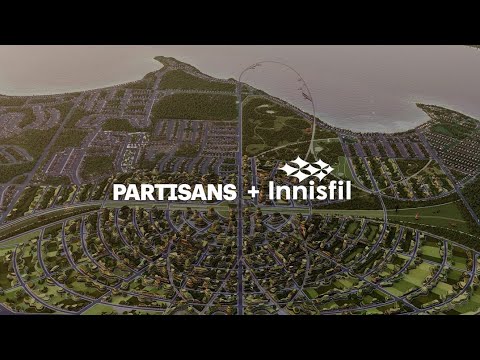
"The GO train has left the station and is headed into orbit. Next stop, Innisfil, the 'squircle' city," writes Shane MacDonald.
If that sounds like science fiction, it's practically is. There are two pieces to this puzzle: the first, a GO transit station, which now has an endorsement from the Innsifil Council and a full funding commitment from the developer, Cortel Group. The second piece is the larger development plan called Mobility Orbit—the "squircle" extending out from the station. Both components have a futuristic appearance, as shown in the renderings made available by Innisfil. Eventually, Innisfil hopes 150,000 people will live in the squircle defined by the Mobility Orbit plan.
"Innisfil partnered with Toronto-based architecture studio Partisans to help launch the idea," according to MacDonald, who also includes a lot more detail on the development plans for both the station and the larger Mobility Orbit plans.
As described in a column on Innisfil [paywall] by architecture critic Alec Bozikovic, Mobility Orbit is Innisfil's plan to become the suburb of the future: built around transit, cycling, and walking.


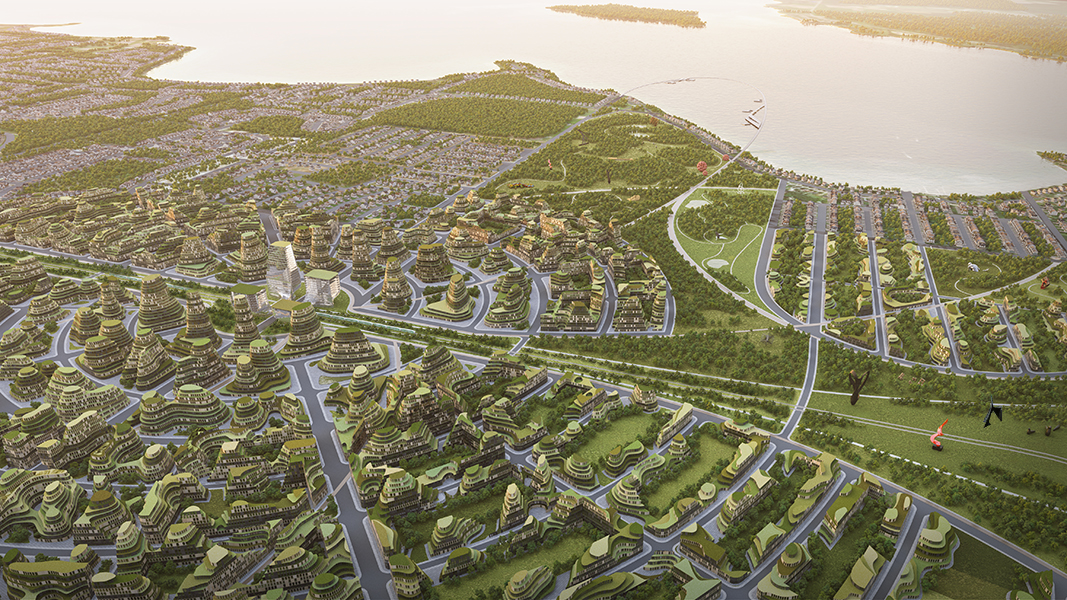
Read the full story: Innisfil GO station gets funding commitment, council endorses development vision

Can We Resist Displacement From Transit-Oriented Development?
Transit stations increase nearby jobs and populations, but they could also contribute to displacement. What can we do differently?
Study: Cuyahoga County Suburbs Ready for TOD
The growth of transit-oriented development in the Cleveland region is being hindered by zoning codes that limit housing density and excessive parking requirements that drive up construction costs, new research suggests.
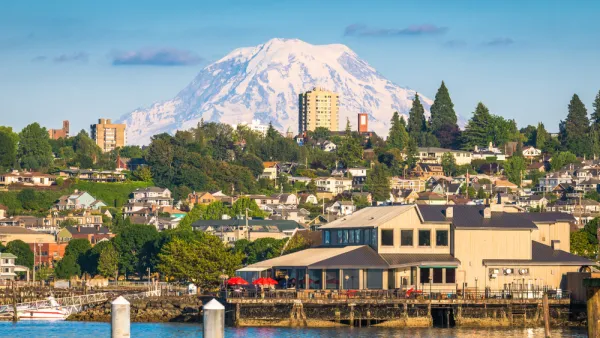
Upping Tacoma's Missing Middle Housing Game
Tacoma is looking to expand on the accessory dwelling unit reforms of the Home in Tacoma project by planning for new residential density along the city's transit routes.

Planetizen Federal Action Tracker
A weekly monitor of how Trump’s orders and actions are impacting planners and planning in America.

The state-sanctioned urbicide of Austin
People don’t kill cities. Freeways do.

US to reduce Colorado River water deliveries to Mexico
A new Colorado Treaty amendment reduces Mexico’s Colorado River water allocation by 250,000 acre feet.

Nation's most wind-powered state turns to coal as data centers increase energy demand
For the first time in decades, Iowa has increased its generation of coal power.

NYC cools commuters with city's first rain garden above a bus stop
New York City officials say the plants in the rain garden can absorb 16 gallons of rainwater during heavy storms.

Brightline West’s future may rely on $6 billion federal loan
The company has until Nov. 2 to make a $400 million equity investment into its proposed high-speed rail line.

FREE Course: Walkable City 1: Why Walkability?
After describing his path towards focusing on walkability as the essence of good planning, Jeff Speck marches through his five principal reasons for making more walkable places.
Reinventing Malls: Planning Alchemy—Turning Gray Fields Into Gold
The course focuses on the opportunities and imperatives that shape reinvention of mall sites.

Eagle County Government
Harvard University Graduate School of Design
Nashville Planning Department
The Architects Foundation
University of Cincinnati Online
The Pocatello Development Authority
The Urban Renewal Agency of the City of Pocatello
Journal of the American Planning Association