The report “Pathways to Decarbonizing Transportation in Minnesota” also calls for a greater adoption of biofuels and actions to decrease vehicle miles traveled.


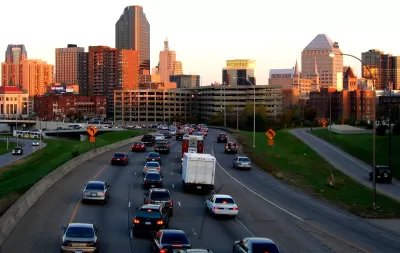
A new Minnesota Department of Transportation (MnDOT) report outlines strategies to decrease the state’s transportation emissions. The transportation sector is the largest contributor to fossil fuel emissions in the state of Minnesota.
The report, called "Pathways to Decarbonizing Transportation in Minnesota" recommends a greater adoption of biofuels and actions to decrease vehicle miles traveled (VMT). "The report also says Gov. Tim Walz should encourage the Minnesota Pollution Control Agency to develop a rulemaking for the state to adopt low-emission vehicle standards," Eleanor Lamb reports for Transport Topics.
The report also calls for a collaborating with neighboring states on Electric Vehicle Corridors. These routes would provide charging facilities for electric vehicles traveling through the Midwest, and remove the persistent barrier making inter-city travel in electric vehicles difficult.
This report is part of ongoing efforts by the state to curb its emissions. "Minnesota passed the Next Generation Energy Act (NGEA) in 2007, which laid out goals for the state to reduce GHG emissions," Lamb writes. While Minnesota has reduced emissions, it missed its 2015 goal and if it does not enact new policies is unlikely to reach its 2025 goal either.
Read the full story: Minnesota DOT Identifies Strategies for Decarbonization

Industry Leaders: Automakers Must Cut EV Battery Weight in Half
Experts call for lighter batteries, diversification of fuels, and a shift away from private cars and towrad public transit.
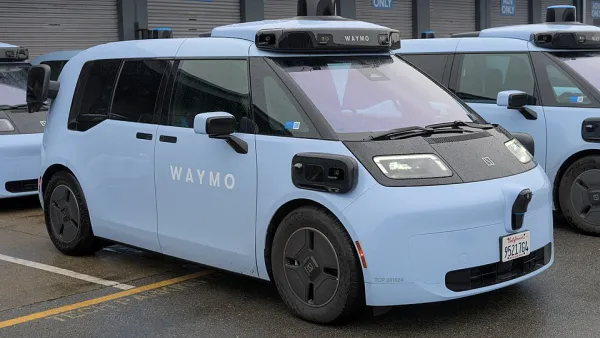
Waymo’s Ojai robotaxis from China now able to pick up all riders
Steep tariffs and tight federal laws haven’t stopped Waymo from purchasing over 3,200 vehicles from Zeekr, a Chinese manufacturer.

Swapping your gas car for an EV is greener than keeping it, research shows
An EV repays the 'carbon debt' caused by building it after 4,400 miles.

Planetizen Federal Action Tracker
A weekly monitor of how Trump’s orders and actions are impacting planners and planning in America.

California plans to bury El Niño’s downpour
If the state plays its cards right, it may be able to store a billion acre-feet of El Niño’s water in aquifers.

Desperate measures: Advocates weigh draining Lake Powell to fill Colorado River
Draining the reservoir could reduce evaporation losses by a couple hundred thousand acre-feet.

In Texas, data centers are swallowing promised parkland
Residents who moved to Taylor, Texas for a rural community now have to contend with three data centers in their backyard.

How a Chicago-sized wind farm beat the odds and powered on
The project spanned five presidential administrations and a standoff with a U.S. military base.

MTA gives itself 30 days to transform pit into basketball court
The site has been under construction since 2022; the city originally estimated it would finish the court in 2024.

FREE Course: Walkable City 1: Why Walkability?
After describing his path towards focusing on walkability as the essence of good planning, Jeff Speck marches through his five principal reasons for making more walkable places.
Reinventing Malls: Planning Alchemy—Turning Gray Fields Into Gold
The course focuses on the opportunities and imperatives that shape reinvention of mall sites.


City of Rosemead
Rutgers University, Edward J. Bloustein School of Planning and Public Policy
One Hundred Miles
Hunter College, City University of New York (CUNY)
The Architects Foundation
University of Cincinnati Online
City of Cambridge
Montrose County
The Pocatello Development Authority