Parts of the city desperately need more trees, but some residents worry about the long-term effects of tree planting in neighborhoods.


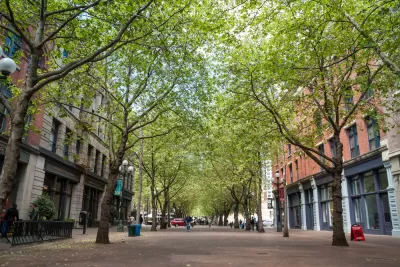
Carolyn Bick reports that efforts to improve Seattle’s tree protections and increase tree canopy coverage have been met with resistance from residents in South Seattle neighborhoods.
These lower-income communities of color have fewer trees than other parts of Seattle, and the areas have some of the worst health outcomes in the city. Research has shown a clear relationship between green space and public health, and South Seattle residents say they want more trees. But they fear the gentrification that could follow from such improvements.
Residents also have been critical of advocacy and outreach efforts. "For too long, they say, white-led environmental organizations have come into South Seattle communities of color with the assumption that they know better than the residents themselves what people there need,” says Bick.
Community advocates say that the city and advocacy groups need to better understand the perspectives and situations of local residents. "Ultimately, [Andrew] Schiffer said, gentrification is happening; and while greening the area may be making it more attractive for wealthy people and developers, the best way to ensure the existing community isn’t displaced is by making sure the community is involved," notes Bick.
FULL STORY: South Seattle residents want greener neighborhoods — without more gentrification

Washington Urban Forestry Program Faces 'Existential' Budget Cut
A proposed budget eliminates funding for a key urban forestry program that funds greening efforts across the state.
Seattle Conflict Between Trees and Housing Heats up
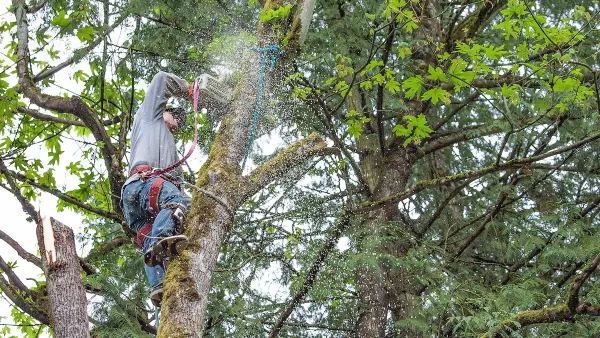
A 2023 update to Seattle’s tree ordinance has led to sharp increase in the number of trees being cut down for redevelopment, prompting advocates to call for better protection of the city’s tree canopy.
Opinion: Housing Versus Trees Is a False Choice; Swap Pavement for Trees Instead
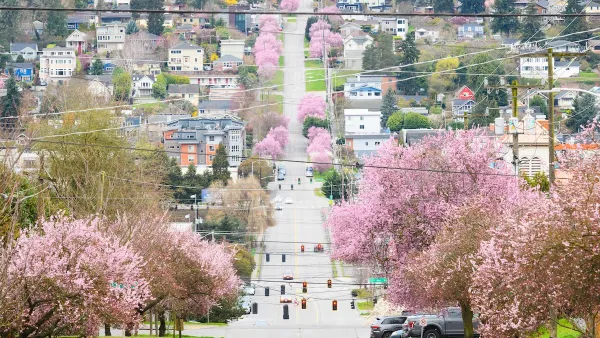
Seattle’s goal to cover 30 percent of the city with tree canopy by 2037 doesn’t need to be sacrificed in favor of density. There’s a better way.

Planetizen Federal Action Tracker
A weekly monitor of how Trump’s orders and actions are impacting planners and planning in America.

The state-sanctioned urbicide of Austin
People don’t kill cities. Freeways do.

US to reduce Colorado River water deliveries to Mexico
A new Colorado Treaty amendment reduces Mexico’s Colorado River water allocation by 250,000 acre feet.

5 New England states march closer to 800 megawatt wind energy project
Securing federal approval for the project may be complicated under the Trump administration, which has historically been hostile towards domestic wind power.

Baltimore to break ground on $50 million Transit Priority Project
The project will bring faster bus trips, safer streets and better bike connections to Baltimore.

Airbnb launches $250 million 'last-dollar financing' housing accelerator, makes first investment in Austin
The company will put $6.4 million towards affordable housing development in Texas’ capital.

FREE Course: Walkable City 1: Why Walkability?
After describing his path towards focusing on walkability as the essence of good planning, Jeff Speck marches through his five principal reasons for making more walkable places.
Reinventing Malls: Planning Alchemy—Turning Gray Fields Into Gold
The course focuses on the opportunities and imperatives that shape reinvention of mall sites.

Eagle County Government
Harvard University Graduate School of Design
Nashville Planning Department
The Architects Foundation
University of Cincinnati Online
The Pocatello Development Authority
The Urban Renewal Agency of the City of Pocatello
Journal of the American Planning Association