An opportunity missed in Detroit.


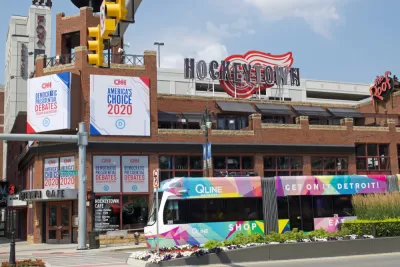
Kat Stafford addresses the elephant in the room during last week's Democratic primary debate:
Detroit — the largest African American majority city in America — is home to a microcosm of systemic issues facing cities across the nation: Poverty, crime, struggling educational systems, a lack of affordable housing and long-term disinvestment, to name a few.
Yet, it and other cities like it, were tossed on a back burner while candidates traded barbs and debated at length the minutia of each other's health care proposals.
Stafford argues that the lack of focus on issues that hit a little closer to home to the residents of the traditionally Democratic stronghold of Detroit represents a missed opportunity. An advocate cited in the article says Democrats must focus on urban issues to rally voters.
A separate article by Alissa Walker also discusses the conspicuous absence of substantive urban policy discussion in the debates so far, noting that only one candidate spent any time at all discussing the housing affordability crisis: former Secretary of Housing and Urban Development Julián Castro.
FULL STORY: Democratic debates put a national spotlight on Detroit. But candidates ignored its issues.

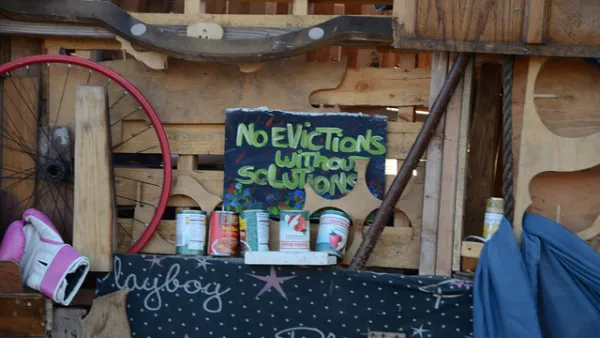
The Star-Studded Discussion of the National Housing Debate
Residential zoning has long been considered a local issue, but some presidential candidates have started weighing in on zoning and housing. Journalists, pundits, and researchers have plenty of complexity to examine as the debate changes venue.

Kamala Harris Reintroduces 'Rent Relief Act'
The Rent Relief Act would provide a refundable tax credit for renters who pay more than 30% of their income on rent.

What to Expect When You're Expecting the Biden Administration
Commemorate Inauguration Day by digging deep into the promises and potential of the Biden Administration.

Planetizen Federal Action Tracker
A weekly monitor of how Trump’s orders and actions are impacting planners and planning in America.

The state-sanctioned urbicide of Austin
People don’t kill cities. Freeways do.

US to reduce Colorado River water deliveries to Mexico
A new Colorado Treaty amendment reduces Mexico’s Colorado River water allocation by 250,000 acre feet.

Colorado’s Largest Data Center Could Rise Next to Homes — Without a Public Hearing
The proposed campus would consume 11 times the power of Denver International Airport; as it has across the country, opposition mounts.

5 New England states march closer to 800 megawatt wind energy project
Securing federal approval for the project may be complicated under the Trump administration, which has historically been hostile towards domestic wind power.

Baltimore to break ground on $50 million Transit Priority Project
The project will bring faster bus trips, safer streets and better bike connections to Baltimore.

FREE Course: Walkable City 1: Why Walkability?
After describing his path towards focusing on walkability as the essence of good planning, Jeff Speck marches through his five principal reasons for making more walkable places.
Reinventing Malls: Planning Alchemy—Turning Gray Fields Into Gold
The course focuses on the opportunities and imperatives that shape reinvention of mall sites.

Eagle County Government
Harvard University Graduate School of Design
Nashville Planning Department
The Architects Foundation
University of Cincinnati Online
The Pocatello Development Authority
The Urban Renewal Agency of the City of Pocatello
Journal of the American Planning Association