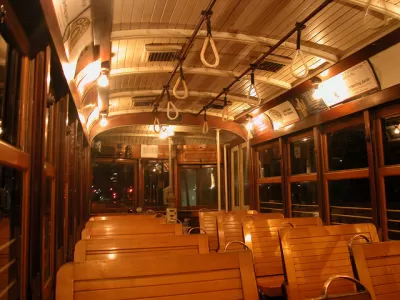
Dallas' street car lines were extensive before the age of the private car.


Artist Jake Berman created a map showing the extent of Dallas’s once great streetcar system. This map includes connections from the heart of the city to further out metropolises in regions like Coriscana, Waco, Denton, and Fort Worth and a network of lines traversing the city. “In fact, the new map looks like a rendering of future dreams for Dallas transit–a way to get around the inner city and plan dense development around trafficked transit corridors,” Peter Simek writes for D Magazine.
Anyone who has seen Who Framed Roger Rabbit is likely familiar with the conspiracy theories regarding the death of the streetcar. But, while car manufacturers certainly didn’t lose any sleep over the death of the streetcar, they mostly harmed it by causing the traffic that slowed it down. These slower streets, couldn’t support the then privately-owned streetcars. “By the time cities took control of the streetcars, cars had caught on and streets were crowded with traffic that slowed the lines. Service suffered. Ridership fell,” Simek writes.
“Nonetheless, looking at this revamped old map, it is difficult not to daydream about what kind of city Dallas could have been if we kept and built around the streetcar system,” Simek writes. This was Berman’s intent.
Read the full story: Dallas Public Transit Was Better in 1919 Than It Is in 2019

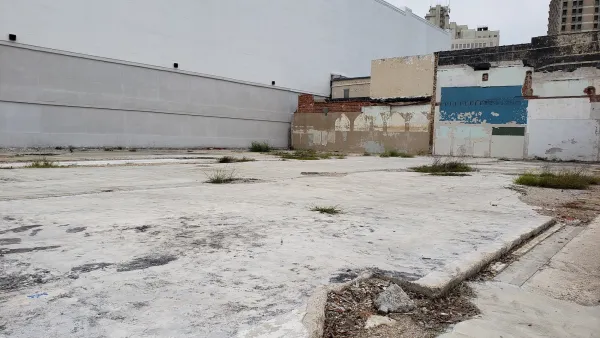
Vacant lots in south Dallas are giving way to affordable housing
A land use analysis found that Dallas could increase tax revenue and close resource gaps if it invests in vacant lot redevelopment.
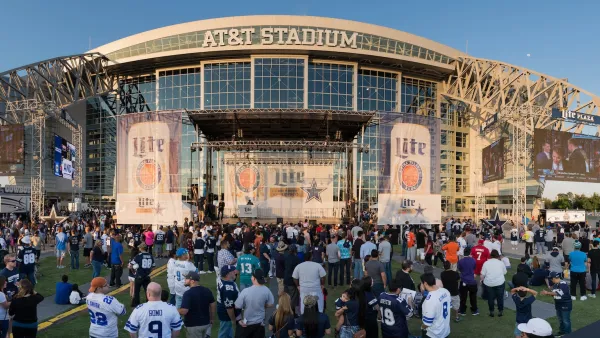
Dallas area transit prepares for World Cup, asks locals to drive
DART is adding a special shuttle service and creating back-up mechanisms to ensure it can serve all of this summer's World Cup attendees.
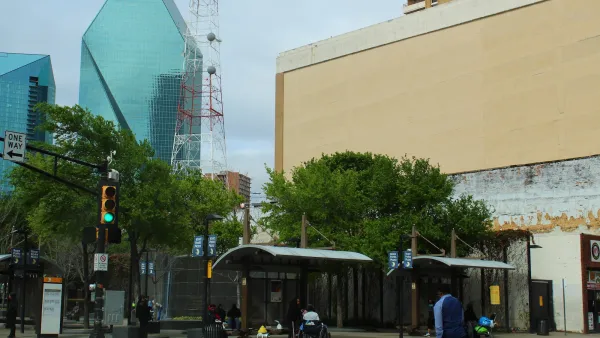
Dallas transit to invest up to $71.5M in upgraded bus shelters
The new shelters will feature solar-powered lighting and materials designed to protect riders from extreme weather.

Planetizen Federal Action Tracker
A weekly monitor of how Trump’s orders and actions are impacting planners and planning in America.

The state-sanctioned urbicide of Austin
People don’t kill cities. Freeways do.

US to reduce Colorado River water deliveries to Mexico
A new Colorado Treaty amendment reduces Mexico’s Colorado River water allocation by 250,000 acre feet.

Nation's most wind-powered state turns to coal as data centers increase energy demand
For the first time in decades, Iowa has increased its generation of coal power.
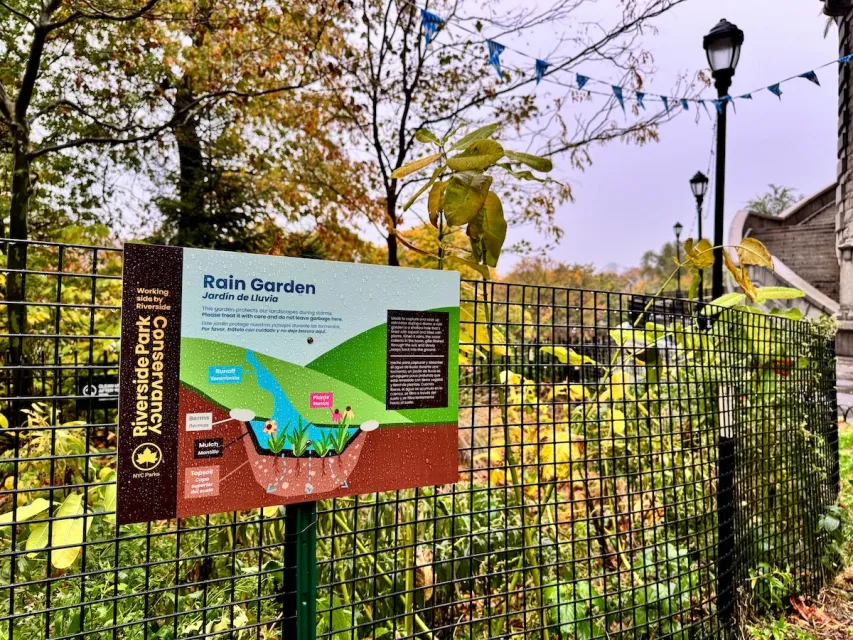
NYC cools commuters with city's first rain garden above a bus stop
New York City officials say the plants in the rain garden can absorb 16 gallons of rainwater during heavy storms.

Brightline West’s future may rely on $6 billion federal loan
The company has until Nov. 2 to make a $400 million equity investment into its proposed high-speed rail line.

FREE Course: Walkable City 1: Why Walkability?
After describing his path towards focusing on walkability as the essence of good planning, Jeff Speck marches through his five principal reasons for making more walkable places.
Reinventing Malls: Planning Alchemy—Turning Gray Fields Into Gold
The course focuses on the opportunities and imperatives that shape reinvention of mall sites.

Eagle County Government
Harvard University Graduate School of Design
Nashville Planning Department
The Architects Foundation
University of Cincinnati Online
The Pocatello Development Authority
The Urban Renewal Agency of the City of Pocatello
Journal of the American Planning Association