An investigative feature by Governing magazine blames the history of land use regulations like zoning and redlining for the racial segregation of contemporary communities all over the state of Illinois and the country.


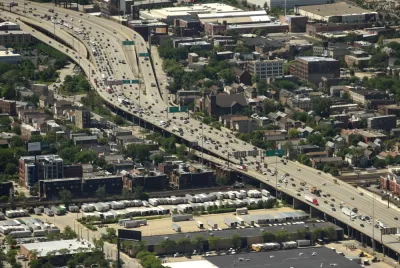
Daniel C. Vock, J. Brian Charles, and Mike Maciag report on the legacy of racial segregation achieved by zoning regulations in Illinois, the result of a six-month investigation of mid-sized cities in the state for evidence of racial segregation.
"In each of these cities, as in the rest of the country, segregation means not just a physical divide between black and whites, but a huge disparity in resources," according to the article.
According to the premise of the article, the most powerful method local governments have used in achieving these results is land use regulation—"zoning restrictions, housing subsidies, tax incentives, public housing policy and restrictive covenants."
The article digs into the history of segregation in the mid-sized cities of Illinois as exemplifiers of these causes and effects, and a deeper exploration of the legal mechanisms of segregation.
Read the full story: Broken Homes

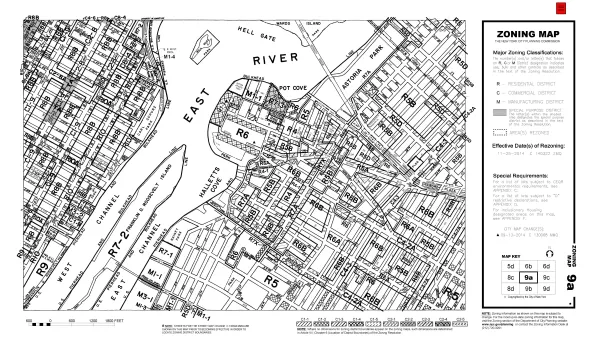
Ranking Exclusionary Zoning: D.C., New York Metro Areas Top the List
A new database measures the restrictiveness of exclusionary zoning practices around the country. Exclusionary zoning, it turns out, is much more prevalent than commonly acknowledged.
Zoning Has Support for Sprawl: Subdivision, Covenants, and Mortgages
Zoning codes are not the only kind of land use control that has built the U.S. residential market on the suburban model for more than a century, according to a recent article in The Urbanist.
Gainesville Eliminates Single-Family Zoning
Gainesville is the first city in Florida to eliminate exclusionary zoning.

Planetizen Federal Action Tracker
A weekly monitor of how Trump’s orders and actions are impacting planners and planning in America.

California plans to bury El Niño’s downpour
If the state plays its cards right, it may be able to store a billion acre-feet of El Niño’s water in aquifers.

Desperate measures: Advocates weigh draining Lake Powell to fill Colorado River
Draining the reservoir could reduce evaporation losses by a couple hundred thousand acre-feet.

In Texas, data centers are swallowing promised parkland
Residents who moved to Taylor, Texas for a rural community now have to contend with three data centers in their backyard.

How a Chicago-sized wind farm beat the odds and powered on
The project spanned five presidential administrations and a standoff with a U.S. military base.

MTA gives itself 30 days to transform pit into basketball court
The site has been under construction since 2022; the city originally estimated it would finish the court in 2024.

FREE Course: Walkable City 1: Why Walkability?
After describing his path towards focusing on walkability as the essence of good planning, Jeff Speck marches through his five principal reasons for making more walkable places.
Reinventing Malls: Planning Alchemy—Turning Gray Fields Into Gold
The course focuses on the opportunities and imperatives that shape reinvention of mall sites.

City of Rosemead
Rutgers University, Edward J. Bloustein School of Planning and Public Policy
One Hundred Miles
Hunter College, City University of New York (CUNY)
The Architects Foundation
University of Cincinnati Online
City of Cambridge
Montrose County
The Pocatello Development Authority