Zinke’s tenure at the Interior Department was not lengthy, but the damage he inflicted will be long-lasting.


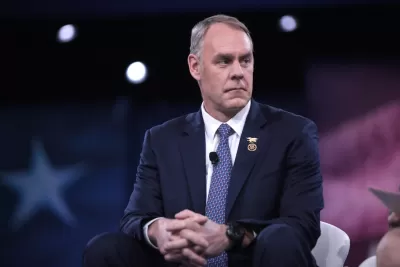
Sarah Greenberger, a former Department of the Interior employee, considers Secretary Ryan Zinke’s time as the head of the agency as the beleaguered cabinet member prepares to depart at the end of the year.
The role of the secretary is to manage national parks, wildlife refuges, and almost 250 million acres of public land used for a variety of recreational, grazing, and energy development purposes. "The secretary of the interior shoulders an awesome responsibility to steward much of what most defines us as Americans: our iconic landscapes, treasured wildlife, abundant resources, historic landmarks, and sacred obligations to our nation’s first peoples," notes Greenberger.
But, Greenberger says, Zinke has betrayed the mission of the Interior Department by rolling back environmental protection statutes, gutting conservation agreements, and promoting oil drilling and mining on public land.
"For those of us charged with protecting wildlife and nature, it has been a harrowing 21 months. For those of us who know the devoted professionals who make the department work, it’s been heartbreaking. Under the guise of 'efficiency,' Zinke took systematic steps to dismantle the agency — stripping it of leadership and creating a culture of fear," writes Greenberger.
FULL STORY: I worked in the Interior Department. Watching Zinke’s tenure was heartbreaking.

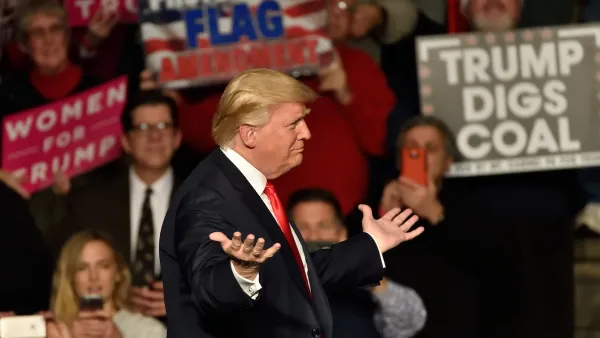
Trump Administration Wants to Remove Conservation From Approved 'Uses' of Public Land
The Department of the Interior moved to officially rescind the Public Lands Rule passed in 2024, which elevates the conservation of public lands to the same level of protection as other uses.
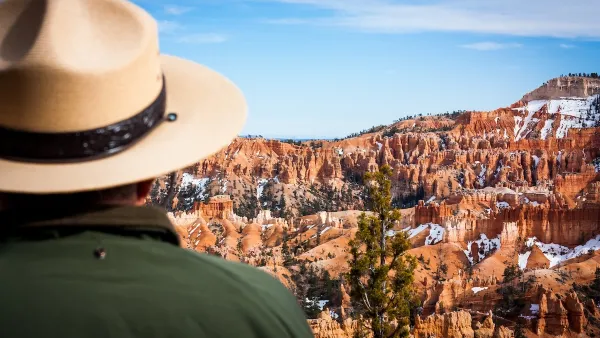
National Parks Layoffs Will Cause Communities to Lose Billions
Thousands of essential park workers were laid off this week, just before the busy spring break season.
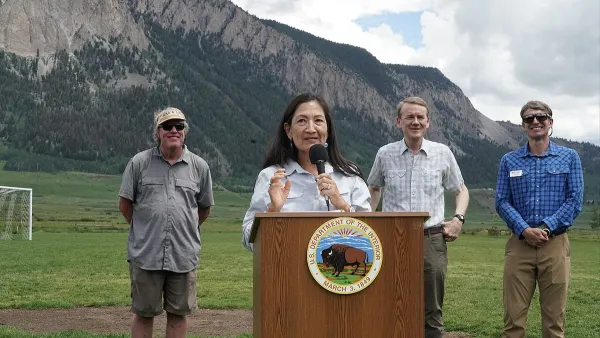
Commentary: Colorado Will Forge Ahead With Conservation Work
While federal policy may become less friendly to environmental efforts, support from state legislators and agencies can prevent the state from backsliding.

Planetizen Federal Action Tracker
A weekly monitor of how Trump’s orders and actions are impacting planners and planning in America.

The state-sanctioned urbicide of Austin
People don’t kill cities. Freeways do.

US to reduce Colorado River water deliveries to Mexico
A new Colorado Treaty amendment reduces Mexico’s Colorado River water allocation by 250,000 acre feet.

5 New England states march closer to 800 megawatt wind energy project
Securing federal approval for the project may be complicated under the Trump administration, which has historically been hostile towards domestic wind power.

Baltimore to break ground on $50 million Transit Priority Project
The project will bring faster bus trips, safer streets and better bike connections to Baltimore.

Airbnb launches $250 million 'last-dollar financing' housing accelerator, makes first investment in Austin
The company will put $6.4 million towards affordable housing development in Texas’ capital.

FREE Course: Walkable City 1: Why Walkability?
After describing his path towards focusing on walkability as the essence of good planning, Jeff Speck marches through his five principal reasons for making more walkable places.
Reinventing Malls: Planning Alchemy—Turning Gray Fields Into Gold
The course focuses on the opportunities and imperatives that shape reinvention of mall sites.

Eagle County Government
Harvard University Graduate School of Design
Nashville Planning Department
The Architects Foundation
University of Cincinnati Online
The Pocatello Development Authority
The Urban Renewal Agency of the City of Pocatello
Journal of the American Planning Association