Unlike prior initiatives that sought drilling bans, Prop. 112 would greatly increase setbacks from buildings to such an extent that it could doom much of the industry. A competing initiative would make the change a "taking" and require compensation.


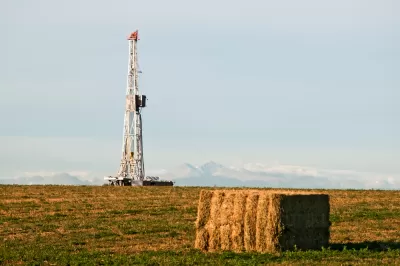
At the 2018 Energy Summit last month in Denver, put on by the Colorado Oil and Gas Association, anti-fracking hecklers interrupted a presentation by Rep. Jared Polis (D- Boulder), also the Democratic gubernatorial candidate, asking him "whether he was doing enough to protect against hydraulic fracturing near homes," reported John Aguilar for The Denver Post on Aug. 22.
Looming over the gubernatorial race is Initiative 97 ... [which] aims to increase the distance new oil and gas wells need to be from homes and schools to 2,500 feet from the current 500-foot and 1,000-foot setbacks, respectively.
Critics of the measure say it will box out more than 80 percent of non-federal land in the state from drilling, while its backers say that an intensive industrial activity like energy extraction needs to be moved further away from where people live, work and play. Both Polis and his Republican opponent, state treasurer Walker Stapleton, have come out against Initiative 97.
“A 2,500-foot setback would shut down Colorado’s oil and natural gas industry and lead to a massive layoff of over 100,000 local jobs,” Scott Prestidge, spokesman for the Colorado Oil and Gas Association, said July 9, reported Aguilar earlier. Proponents are more focused on public health.
“Toxic, industrial and dangerous activity like fracking doesn’t belong in our neighborhoods, near our kids’ schools or near our water supplies,” said Micah Parkin, [executive director and co-founder of 350 Colorado], who sits on the board of Colorado Rising, a fracking watchdog group promoting the measure. “These are really common-sense regulations.”
Since Aguilar's reporting, the initiated state statute has qualified for the ballot, writes Colorado Public Radio's (CPR) energy and environment reporter, Grace Hood, on Aug. 29.
Initiative 97 — which will appear as Proposition 112 on the ballot — would increase setbacks between new wells and homes, offices, rivers and playgrounds to 2,500 feet. Current oil and gas setbacks range between 500 feet for homes and 1,000 feet for higher occupancy buildings.
Anne Lee Foster, with the environmental group Colorado Rising, insisted the 2,500-foot setback is “not just an arbitrary number like the current setback is.” Instead, it’s a number “based on science,” that comes from a 2012 University of Colorado study that found people living within a half mile (2,640 feet) of wells had a greater risk for health effects compared to those living further away.
Competing initiative funded by oil and gas industry
"Private property rights advocates have secured a spot on the November Ballot," reports Hood on Aug. 28. The measure is sponsored by the Colorado Farm Bureau with financial backing from the oil and gas industry.
The initiative [#108], which is expected to appear as Amendment 74 at the ballot box, would allow Coloradans to make a financial claim on property that’s devalued because of government action. The proposal would protect water and mineral rights in addition to physical property.
At its heart, Amendment 74 would adjust how “takings claims” work under Colorado law...The change to the state constitution would broaden that range so that property owners could get compensated if property is “reduced in fair market value” by the government.
"They have more campaign money than any political group in Colorado right now," reported Ben Markus for CPR on June 1. "Protect Colorado, created by the state’s largest oil and gas companies, has raised $8.4 million in contributions to fight for, they say, the very future of drilling in the state." [Audio version accessible].
"The proposed constitutional amendment is opposed by the Colorado Municipal League, which says it could chill future regulatory efforts by local governments," adds Hood. Denver City Council member Deborah Ortega pens an opinion for Colorado Politics on Sept. 3 on how the amendment would be financially devastating to both local and state governments.
The source article, the most current CPR report on the two measures, is very brief. Click on the audio to listen to a longer, informative discussion between Hood and Ryan Warner, host of "Colorado Matters." Hood mentions the significance of a house explosion on April 27, 2017, in Firestone (Weld County), Colorado associated with a natural gas pipeline from an Anadarko Petroleum well that killed two people and injured one person.
"I really wonder to what extent this issue will become a referendum on preventing another Firestone-type incident," states Hood.
Hat tip to The Wall Street Journal's Energy Journal.
FULL STORY: Here's What's Behind The Clashing Ballot Measures Over Oil And Gas Development

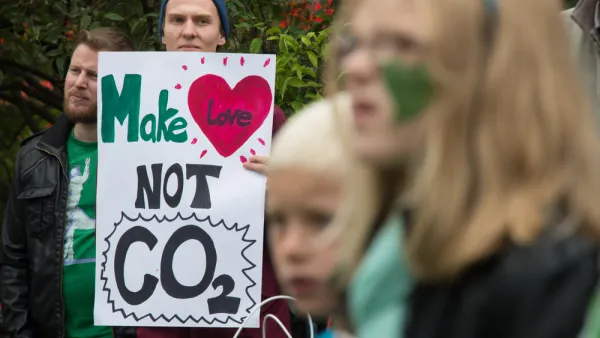
IPCC Report Sways Microsoft to Endorse Carbon Fee Initiative on Washington Ballot
A dire report on climate change issued by a United Nations panel influenced Washington-based Microsoft to take a position on a controversial state carbon fee, Initiative 1631. Oil companies are fighting back, citing wide exemptions from the fee.
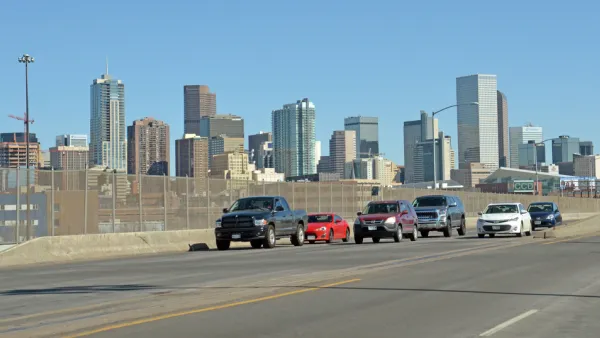
Colorado Voters to Decide How to Fund Roads on Election Day
Two transportation bonding initiatives will appear on the ballot on Nov. 6: A $3.5 billion measure would have debt repayments come from the general fund, while a $6 billion initiative would create a revenue stream by hiking sales taxes.
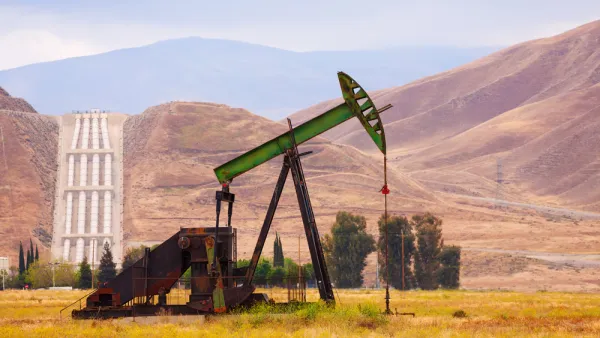
New Oil and Gas Drilling in California May Be Subject to Moratorium
Gov. Gavin Newsom pleased environmentalists by doing what his predecessor, Gov. Jerry Brown, refused – halting all new oil and gas fracking and placing a moratorium on another extraction method linked to a massive oil spill in Kern County.

The state-sanctioned urbicide of Austin
People don’t kill cities. Freeways do.

US to reduce Colorado River water deliveries to Mexico
A new Colorado Treaty amendment reduces Mexico’s Colorado River water allocation by 250,000 acre feet.

New Jersey’s second-largest city bans standalone data centers
Jersey City will continue to allow co-location facilities, such as those meant for research institutions that store their own data.

Amtrak not solely to blame for New Jersey commuter rail's unreliability, report finds
A new study from the Garden State Initiative found that NJ Transit’s budget grew 20% across a 4 year period, but reliability declined significantly over the same period.

EPA erases limits on planet-warming pollution from power plants
Under Monday’s plan, power plants would still have some limits on how much mercury, arsenic and other contaminants they can emit.

Phoenix announces new on-demand transit service, more frequent RAPID buses
Both new services will launch in October, and are part of Phoenix's Project Effective Access Solutions for Easing Congestion.

FREE Course: Walkable City 1: Why Walkability?
After describing his path towards focusing on walkability as the essence of good planning, Jeff Speck marches through his five principal reasons for making more walkable places.
Reinventing Malls: Planning Alchemy—Turning Gray Fields Into Gold
The course focuses on the opportunities and imperatives that shape reinvention of mall sites.

Eagle County Government
Harvard University Graduate School of Design
Nashville Planning Department
The Architects Foundation
University of Cincinnati Online
The Pocatello Development Authority
The Urban Renewal Agency of the City of Pocatello
Journal of the American Planning Association