A 2016 rule approved by a specialized agency of the U.N. is forcing large ships that burn bunker oil, the dirtiest type of fuel, to either burn a more costly low-sulfur variety, apply scrubbers, or turn to LNG.


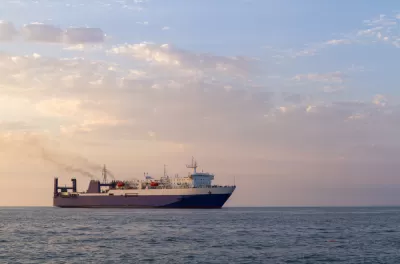
"In all the controversy over toxic air pollution from diesel cars, little is heard of a worse source of pollution – shipping," reported Jeremy Plester for The Guardian on May 18, 2017.
Large ocean-going ships tend to use bunker fuel, the world’s dirtiest diesel fuel – a toxic, tar-like sludge that usually contains 3,500 times more sulphur than the diesel used for cars. And it’s also cheap.
But that's all due to change radically in two years thanks to the International Maritime Organization (IMO), a United Nations specialized agency charged with "responsibility for the safety and security of shipping and the prevention of marine and atmospheric pollution by ships." Their target: reduce "sulphur oxides (SOx) which are known to be harmful to human health, causing respiratory symptoms and lung disease."
In 2016, IMO approved a transformation program known as Sulphur 2020 that will require vessels to dramatically reduce the sulfur content of the fuel they burn today, which can be as high as 3.5 percent. According to the program:
From 1 January 2020, the limit for sulphur in fuel oil used on board ships operating outside designated emission control areas will be reduced to 0.50% m/m (mass by mass). This will significantly reduce the amount of sulphur oxides emanating from ships and should have major health and environmental benefits for the world, particularly for populations living close to ports and coasts.
"The bunker fuel sulfur reduction in 2020 will potentially be the most disruptive product quality change in decades," IHS Markit energy analyst Stephen Jew told Peter Tirschwell of The Journal of Commerce on Aug 06, 2017.
According to the International Chamber of Shipping, the cost of compliant low-sulfur fuel is currently about 50 percent more than the cost of residual [or conventional bunker] fuel, and as demand for low-sulfur fuel grows after 2020, the differential will widen.
"The rule change marks a seismic shift for the shipping and refining sectors," reported Reuters on Apr. 11.
Philip K. Verleger, an economist and consultant focusing on the energy markets, takes it up a notch in a Bloomberg Opinion on Apr. 18, warning that the rule could cause "a spike in oil prices large enough to threaten global recession."
The attraction of liquefied natural gas (LNG)
Paul Garvy, reporting (partial paywall) for The Wall Street Journal on Aug. 23, found that some shipping and cruise line companies were complying with the new regulation by abandoning bunker oil altogether by ordering ships powered by clean-burning liquefied natural gas (LNG) which has virtually no sulfur. However, they are a minority. His article is recapped in The Wall Street Energy Journal (no paywall):
The shipping industry currently consumes about five million barrels a day of oil, and most of the industry is expected to meet the new obligations by either switching to more expensive low-sulfur fuels or installing ”scrubbers” that clean sulfur out of exhaust fumes.
"Every year the percentage of LNG powered ships out of the new-build market is increasing," reported Julie Gordon for Reuters on June 28.
Part of the draw of LNG over low-sulfur diesel or other alternative fuels is that even if emissions standards become more stringent in the future, natural gas falls well below any threshold.
In terms of cost, building a new ship to run off LNG is comparable with traditional diesel fuel-powered ships. But the fuel savings are immense.
“The fuel costs to operate on LNG is approximately half of what it cost to operate on ultra-low sulfur marine diesel,” said Deborah Marshall, a spokeswoman for B.C. Ferries, which runs four LNG ferries in the West Coast province.
More costly but lives will be saved
IMO cites a study showing that the switch to .5 percent sulfur bunker oil will prevent "570,000 additional premature deaths worldwide between 2020-2025." In addition, they note that "SOx can lead to acid rain, which can harm crops, forests and aquatic species, and contributes to the acidification of the oceans."
FULL STORY: The New Gas Market: Shipowners Needing Cleaner Fuel

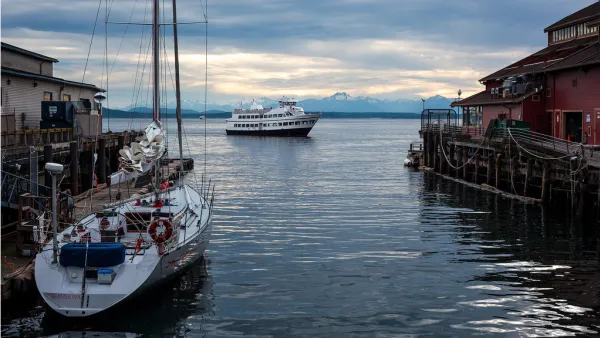
Washington State to Transition to Battery Electric Ferries
Washington's largest diesel emissions polluter will transition its fleet to diesel-hybrids and then to battery-electric propulsion to comply with Gov. Inslee's emissions-reduction executive order which will also please the orcas in Puget Sound.
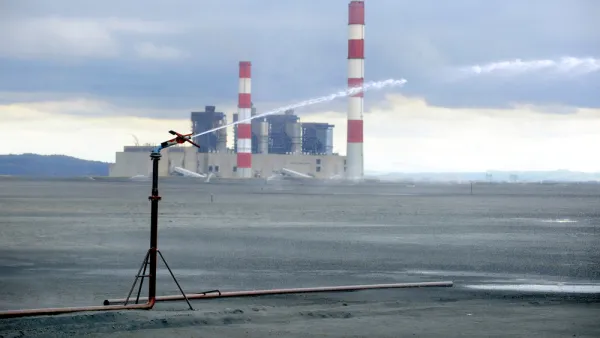
Making Older Coal Power Plants More Efficient Without Making Them Cleaner
At the center of the EPA's newly proposed Affordable Clean Energy rule is doing away with a permitting process known as New Source Review that requires coal power plants to add scrubbers and other expensive pollution control equipment when upgraded.
Strict Standards for Ship Emissions Cleanse Bay Area Air
Thanks to a Calif. law implemented in 2008 requiring ocean-going ships to switch from high-sulfur bunker fuel to cleaner fuels within 24 miles of the coast, Bay Area air quality significantly improved by reducing deadly particulate emissions.

The state-sanctioned urbicide of Austin
People don’t kill cities. Freeways do.

US to reduce Colorado River water deliveries to Mexico
A new Colorado Treaty amendment reduces Mexico’s Colorado River water allocation by 250,000 acre feet.

New Jersey’s second-largest city bans standalone data centers
Jersey City will continue to allow co-location facilities, such as those meant for research institutions that store their own data.

Amtrak not solely to blame for New Jersey commuter rail's unreliability, report finds
A new study from the Garden State Initiative found that NJ Transit’s budget grew 20% across a 4 year period, but reliability declined significantly over the same period.

EPA erases limits on planet-warming pollution from power plants
Under Monday’s plan, power plants would still have some limits on how much mercury, arsenic and other contaminants they can emit.

Phoenix announces new on-demand transit service, more frequent RAPID buses
Both new services will launch in October, and are part of Phoenix's Project Effective Access Solutions for Easing Congestion.

FREE Course: Walkable City 1: Why Walkability?
After describing his path towards focusing on walkability as the essence of good planning, Jeff Speck marches through his five principal reasons for making more walkable places.
Reinventing Malls: Planning Alchemy—Turning Gray Fields Into Gold
The course focuses on the opportunities and imperatives that shape reinvention of mall sites.

Eagle County Government
Harvard University Graduate School of Design
Nashville Planning Department
The Architects Foundation
University of Cincinnati Online
The Pocatello Development Authority
The Urban Renewal Agency of the City of Pocatello
Journal of the American Planning Association