The Daily Source of Urban Planning News

Changes to the 2019 American Community Survey, Explained
The 2019 American Community Survey includes a notable changes, including a few relevant to planners.

Why Harvard Looked to Los Angeles to Imagine the Future of Streets
The so-called car capital of the world is now a "hotbed for mobility disruption," a Harvard studio suggests.

Funding Approved for Interstate 10 Express Lanes in Southern California
Construction of 10 miles of dual express lanes on I-10 received the go-ahead last month after a TIFIA loan closed for $225 million of the $925 million project planned by the San Bernardino County Transportation Authority.

Nipsey Hussle Wanted Community Partnerships for South L.A.’s Development Future
Before his death in March, Hussle has plans for an opportunity zone investment fund that would ensure the community wouldn’t lose out in the development process.

Code Hackathon: What Can Go Wrong With Form-Based Codes?
Top problems with form-based codes, and how to fix them.
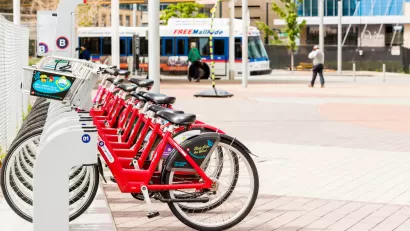
NACTO to Help Five Cities Design and Build Low-Carbon Transportation Infrastructure
Five cities will help the National Association of City Transportation Officials (NACTO) prove that urban streets can provide the location for a drastic shift in the carbon emissions status quo.
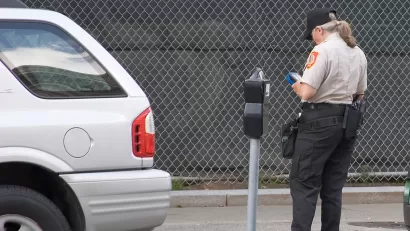
Vision Zero Proposal Includes Citizen Parking Enforcement
One perhaps overlooked detail of an ambitious Vision Zero bill proposed last week for Washington, D.C.: a provision that would allow ordinary citizens to issue parking tickets.

Watch: Exclusionary Zoning's Affordability Effect, Explained
According to the Sightline Institute, exclusionary zoning is responsible for the nation's ongoing housing affordability crisis.

Little Projects Make a Big Difference in American Downtowns
Alexander Garvin argues that it’s time for the end of the mega-project in an excerpt from "The Heart of the City: Creating Vibrant Downtowns for a New Century."

E-Bikes for an Aging Population
The bikes offer a transportation option for older people where other modes fall short.

Controversial Development a Big First Step Into Untouched Desert North of Phoenix
The developers of 1,400 homes in the desert north of Phoenix say they understand the responsibility of being the first to develop an area. Opponents would rather there was no development at all.

Flooding Less of a Concern as Hurricane Memories Fade
Residents of Houston are less likely to think of flooding as a concern, or to think development should be prohibited in flood-prone areas, as in the years immediately following Hurricane Harvey.

'Right to Survive' Homeless Initiative Fails With Denver Voters
Denver's "Right to Survive" initiative highlights just how troubling and problematic policy approaches to homelessness can be.

Price for Repairing Boston's Transit System: $10 Billion
A new estimate of how much it will cost to repair all of the infrastructure in the MBTA system places the price tag $3 billion higher than an estimate made only four years ago.

25 Months of Growth for Architecture Firms Ended in March
A key signal of economic strength for the planning and development industries delivered bad news for the first time in a long time.

Busy Bus Routes on the Chopping Block in Montgomery County
One of the most famous suburban counties in the country could become a little less urban this week, if a proposal to cut bus service makes it past the Montgomery County Council.
Atlanta-Bound Bus Commuters Benefit from New Express Lanes
More evidence that express (toll) lanes benefit public transit when buses operate in the corridor. Riders on Georgia's Xpress buses, which use the Northwest Corridor Express Lanes, saw trip times reduced by 15 minutes.

Proposal for the Future of New York's Governors Island
The island's 40-acre park is a recreational destination, but waterfront advocates would like to see more use of Governor Island's shoreline and maritime infrastructure.

Design Thinking Needs a Broader Perspective
A design-focused study of mode choice doesn’t consider the many ways people interact with and travel through urban environments.

Opinion: It’s Time for Cincinnati to Embrace Vision Zero
Pedestrian fatalities are rising, and one city council candidate has had enough.
City of Thousand Oaks
City of Wisconsin Rapids
Harvard University Graduate School of Design
The Architects Foundation
University of Cincinnati Online
Northern Illinois Transit Authority (NITA)
The Pocatello Development Authority
The Urban Renewal Agency of the City of Pocatello

FREE Course: Walkable City 1: Why Walkability?
After describing his path towards focusing on walkability as the essence of good planning, Jeff Speck marches through his five principal reasons for making more walkable places.
Reinventing Malls: Planning Alchemy—Turning Gray Fields Into Gold
The course focuses on the opportunities and imperatives that shape reinvention of mall sites.