The pilot program will run from October to spring 2027, and begin with one single-car train operating on Metrolink’s Red and Blue lines.


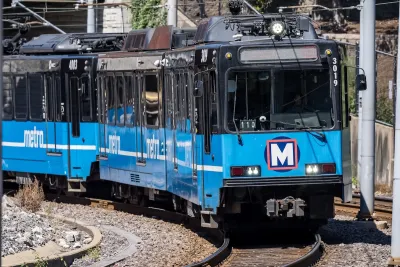
The St. Louis Metro is starting a pilot program in October to test if single-car Metrolink trains could reduce operating costs and increase efficiency while maintaining safety and rider satisfaction, Noah Kolenda writes for Mass Transit. The pilot will span from Oct. 3 to spring 2027; its initial phase will see one single-car train operating on Metrolink’s Red and Blue lines.
“During the pilot, St. Louis Metro says it will conduct a detailed analysis using operational performance data, passenger feedback and ridership numbers to evaluate the efficacy of one-car trains for long-term use and in specific areas and conditions. The agency’s initial analysis suggests that single-car operations have the potential to generate annual maintenance cost savings between $800,000 to $4.8 million,” Mass Transit reports.
St. Louis Metro will suspend the pilot during days where it expects peak ridership. Metrolink will also maintain its usual frequency and schedule throughout the pilot to avoid service reductions.
Read the full story: St. Louis Metro to launch single-car pilot, aims to increase efficiency and reduce costs

St. Louis Studying Ambitious, $2.2 Billion MetroLink Proposal
The city of St. Louis is taking the first official steps toward the ambitious Northside-Southside MetroLink proposal.
SoCal's Metrolink to continue 'temporary' service cuts
The commuter rail agency faces a $15 million budget shortfall and could see diminished contributions from its two top funders.
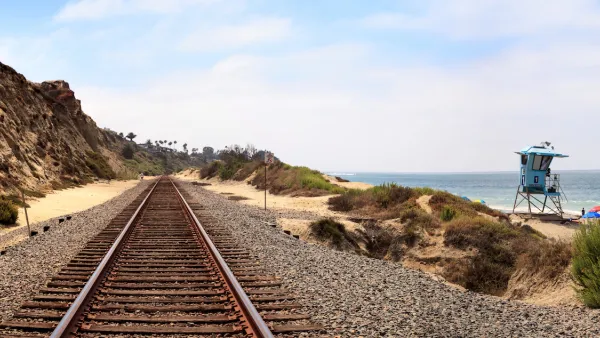
Southern California Rail Service Resumes After Landslide
The corridor has been closed multiple times in the past year as erosion and landslides put coastal rail infrastructure in jeopardy.

Planetizen Federal Action Tracker
A weekly monitor of how Trump’s orders and actions are impacting planners and planning in America.

Amtrak, CN end decades-long dispute with eight-year agreement
The new operating agreement establishes an updated framework for the companies to work together, including processes to resolve disputes.

Northwest rail fans eager for Sept. 30 debut of Amtrak’s Airo fleet
Get ready for that new train smell and more seats. But they won’t go faster or run more frequently on the Cascades route in Washington and Oregon.

St. Louis Metro to test if single-car trains can reduce operating costs, maintain rider satisfaction
The pilot program will run from October to spring 2027, and begin with one single-car train operating on Metrolink’s Red and Blue lines.

Pennsylvania is building data centers in abandoned mines
Housing data centers in mines provides an alternative to destroying local forests and may spare residents from data centers’ noise and air pollution.

If Corpus Christi can’t revive desalination plant project, it may owe Texas $235 million
Earlier this month, city officials declined to pursue developing the plant for the second time in a year.

FREE Course: Walkable City 1: Why Walkability?
After describing his path towards focusing on walkability as the essence of good planning, Jeff Speck marches through his five principal reasons for making more walkable places.
Reinventing Malls: Planning Alchemy—Turning Gray Fields Into Gold
The course focuses on the opportunities and imperatives that shape reinvention of mall sites.

City of Thousand Oaks
City of Wisconsin Rapids
Harvard University Graduate School of Design
The Architects Foundation
University of Cincinnati Online
The Pocatello Development Authority
The Urban Renewal Agency of the City of Pocatello