The MTA was able to keep trains running on time while working to replace a key viaduct.



New York City's Metropolitan Transportation Authority completed construction work on the Park Avenue Viaduct five years ahead of schedule and $195 million under budget, all while managing to avoid delaying any trains during construction.
As Noah Kolenda explains in an article in Mass Transit, "Since October 2023, the MTA reports that crews have replaced 196 bridge structures and more than 12,600 feet of railroad over 28 weekends without delaying a single train." The viaduct, built 133 years ago, carries roughly 750 trains and 260,000 passengers every day.
The MTA says it is making major investments to infrastructure along the Grand Central Artery, much of which is over a century old. "Between updates along Park Avenue and the replacement of the Grand Central Terminal train shed, the MTA notes it is making $2.9 billion in capital investments to improve Metro-North service for generations to come."
Read the full story: MTA completes Park Avenue Viaduct replacement five years early, nearly $200 million under budget

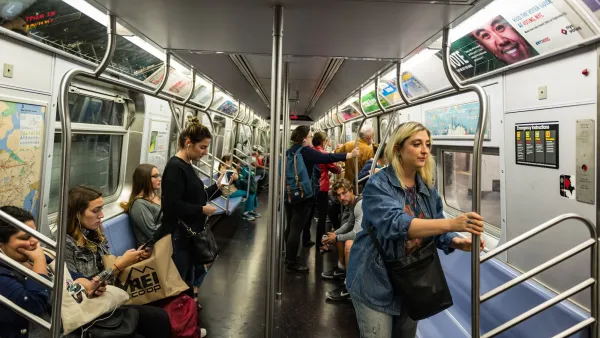
Unlocking the full potential of NYC's Interborough Express
A few strategic investments could turn the IBX into an essential spine of the regional transportation network, not just another branch of New York's subway system.

MTA plans to outfit all buses with stroller storage by next year
All buses will have seats that flip up to allow for stroller storage or more standing room.
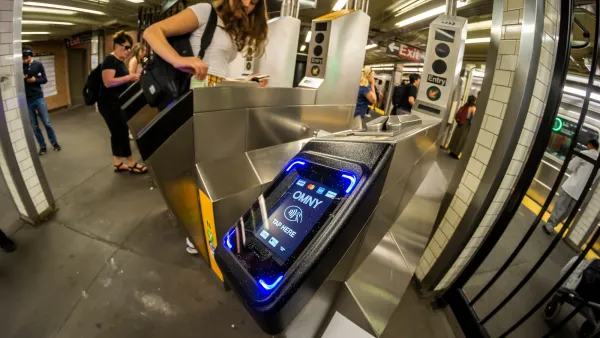
Popular transit payment system linked to Palantir could give ICE access to rider data
The tap-to-pay system is being used widely in transit systems including New York City, Boston and Chicago.

Planetizen Federal Action Tracker
A weekly monitor of how Trump’s orders and actions are impacting planners and planning in America.

The state-sanctioned urbicide of Austin
People don’t kill cities. Freeways do.

Colorado’s Largest Data Center Could Rise Next to Homes — Without a Public Hearing
The proposed campus would consume 11 times the power of Denver International Airport; as it has across the country, opposition mounts.
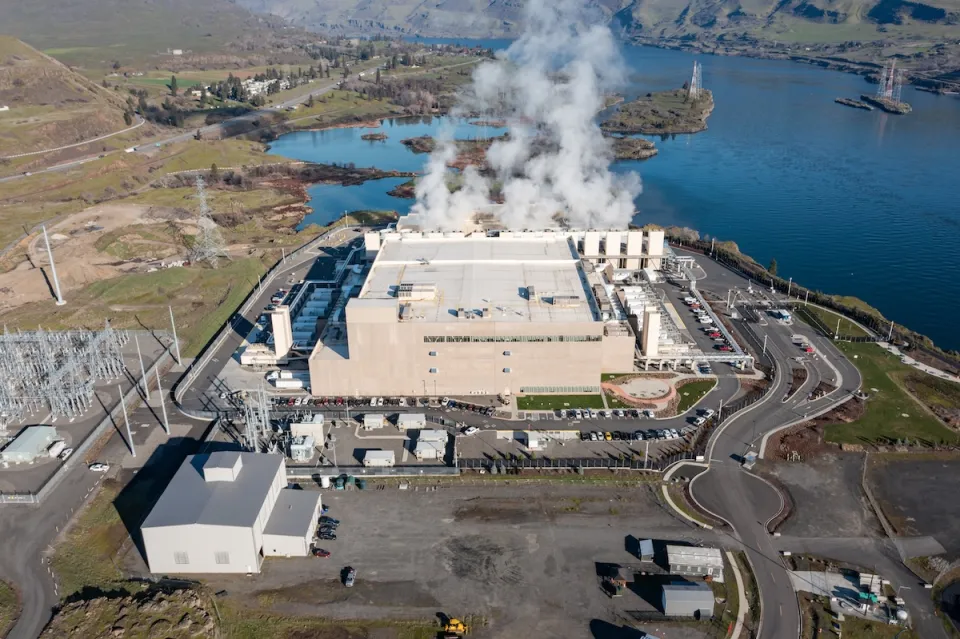
Data centers are consuming nearly 25% of Oregon’s power
The state has 111 data centers, with 32 more either planned or under construction.

A third of Texas cities must update their zoning codes to comply with new housing law
Texas municipalities are now required to allow manufactured housing in at least one residential zoning district.

Nation's most wind-powered state turns to coal as data centers increase energy demand
For the first time in decades, Iowa has increased its generation of coal power.

FREE Course: Walkable City 1: Why Walkability?
After describing his path towards focusing on walkability as the essence of good planning, Jeff Speck marches through his five principal reasons for making more walkable places.
Reinventing Malls: Planning Alchemy—Turning Gray Fields Into Gold
The course focuses on the opportunities and imperatives that shape reinvention of mall sites.

.jpg)
Greater Baltimore Committee
Eagle County Government
Harvard University Graduate School of Design
The Architects Foundation
University of Cincinnati Online
The Pocatello Development Authority
The Urban Renewal Agency of the City of Pocatello
Journal of the American Planning Association