The new zoning allows for backyard buildings, courtyard housing, multiplexes, "houseplexes" and rowhouses, with a minimum of four units allowed on any lot.


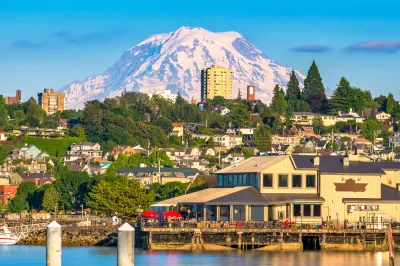
After adopting new zoning standards last February, the City of Tacoma has a seen a 39% increase in the number of new permits compared to the five-year average, with the number of units included in those permits increasing by 62%, The Urbanist reports. The increase also showed a 16% jump in number of units per application, indicating a moderate increase in density.
Tacoma Council member Sandesh Sadalg called the "Home in Tacoma" rezone a "complete rewrite of all residential zoning in the city."
"Across Tacoma, property owners can now build four units on any lot, with more allowed close to transit and "complete neighborhood features" that include parks, schools, colleges, and growth centers like Lincoln and McKinley," reports The Urbanist.
Read the full story below.
Read the full story: Tacoma Sees 62% More Homes Enter Pipeline Following 2025 Zoning Overhaul

Tacoma Developing New Housing Policy
The city’s Home in Tacoma plan is designed to address the region’s growth and rising housing prices, but faces local backlash over density and affordability concerns.
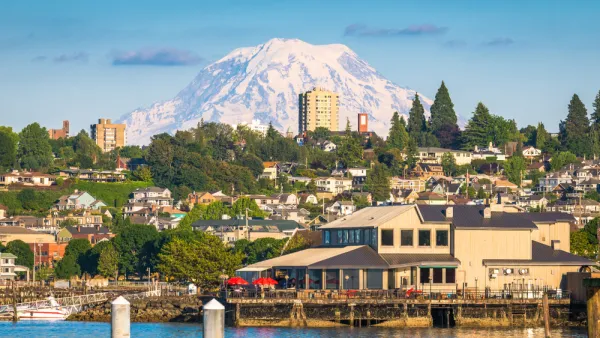
Tacoma Density Plan Moves to Phase Two
The Home in Tacoma plan would amend the city's zoning code to include more 'missing middle' housing types and encourage infill development.

Sweeping Residential Zoning Reform Advances in Tacoma
Zoning and land use changes proposed in the Home in Tacoma plan, an element of the One Tacoma Comprehensive Plan, was approved this month by the Tacoma Planning Commission.

Planetizen Federal Action Tracker
A weekly monitor of how Trump’s orders and actions are impacting planners and planning in America.

Eastern Nebraska is running out of electricity
Data centers and electrification are straining eastern Nebraska’s grid, throttling economic development.

Study reveals best places in the U.S. for cycling, walking
New research from Streetlight Data examines bicycle and pedestrian miles per capita in the 100 largest U.S. cities by population.

As Texas embraces carbon storage, a Black community questions the risks
Texas now issues permits for companies to store carbon dioxide underground. East Texas residents fear safety risks, and skeptics doubt the climate benefits.

New BLM proposal would slash public comment periods, environmental protections
The proposed rewrite would also strip legal leverage from Tribal nations and state governments.

DSA members accuse Mamdani of 'abandoning values' over housing redevelopment
New York City's mayor plans to replace about 2,000 units of public housing with private, mixed-income housing.

FREE Course: Walkable City 1: Why Walkability?
After describing his path towards focusing on walkability as the essence of good planning, Jeff Speck marches through his five principal reasons for making more walkable places.
Reinventing Malls: Planning Alchemy—Turning Gray Fields Into Gold
The course focuses on the opportunities and imperatives that shape reinvention of mall sites.

City of Rosemead
Rutgers University, Edward J. Bloustein School of Planning and Public Policy
One Hundred Miles
University of Michigan School for Environment and Sustainability (SEAS)
Hunter College, City University of New York (CUNY)
The Architects Foundation
City of Cambridge
The Pocatello Development Authority
The Urban Renewal Agency of the City of Pocatello