Southern California cities are adjusting their zoning codes to support mixed-use and residential developments that are replacing dying shopping malls.


In a commentary in The Orange County Register, Byron De Arakal highlights the changing role of the county's shopping malls, many of which have fallen victim to the forces of e-commerce and changing consumer preferences.
According to De Arakal, "Pressed by gargantuan state housing mandates, saddled with upside-down budgets, and dogged by an oversupply of obsolete commercially zoned land, 'mall' cities are wisely ditching their fallow 'fiscal zoning' strategies emphasizing commercial retail zoning in favor of mixed-use zoning that integrates new housing to feed right-sized retail uses focused on daily needs, dining, personal services and entertainment."
In Westminster, a former mall is being transformed into a mixed-use development with 2,250 new housing units. The city adopted a zoning blueprint to establish a framework for the new use, creating new and more stable revenue streams for the county at the same time as new housing and commercial space. "Meanwhile, 380 apartments are under construction on 15 acres of the Brea Mall property once occupied, in part, by the carcass of a long-closed Sears store. City officials, seeking to reboot the mall property’s tax base, paved the way for the project by scuttling the property’s stale commercial designation in its general plan and zoning code in favor of a mixed-use scheme."
De Arakal praises city leaders' initiative and foresight, saying, "It takes vision to shed the old zone-for-sales-tax paradigm in favor of mixed-use planning strategies to revitalize Orange County’s retail relics. But by integrating new homes, daily needs and essential services into a single footprint, OC cities are setting the stage for a built-in customer base that sustains local businesses regardless of broader retail trends."
FULL STORY: OC cities smart to rethink zoning strategies on former mall sites

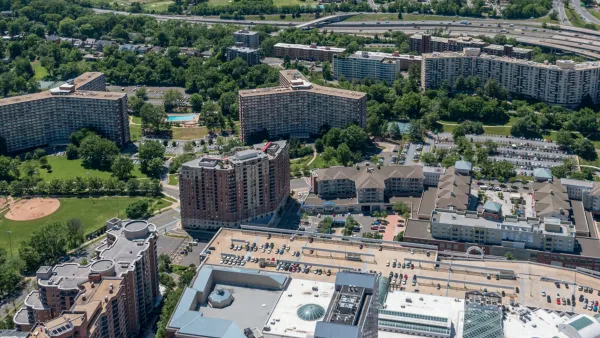
How one Arlington YIMBY used 'homebrew econometrics' to lobby for density
An upzoning proposal for Pentagon City could bring in an additional $8 million to $11 million in tax revenue.
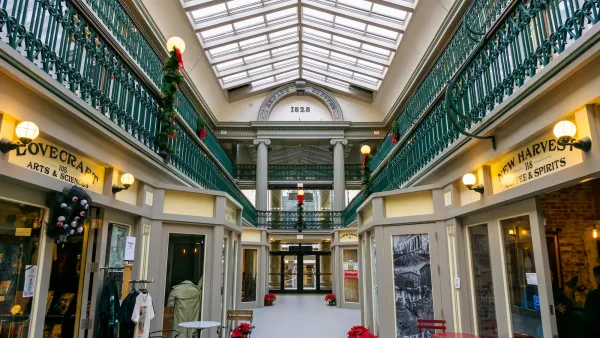
You Can Live Inside America’s Oldest Indoor Shopping Mall
The Arcade in Providence, Rhode Island, first built in 1828, was redeveloped into 48 micro-housing units.
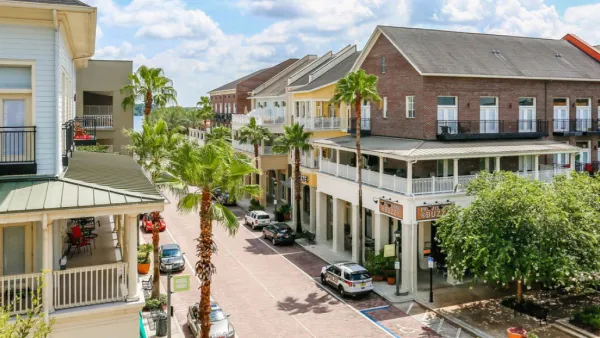
Orange County, Florida Adopts Largest US “Sprawl Repair” Code
The ‘Orange Code’ seeks to rectify decades of sprawl-inducing, car-oriented development.

The state-sanctioned urbicide of Austin
People don’t kill cities. Freeways do.

US to reduce Colorado River water deliveries to Mexico
A new Colorado Treaty amendment reduces Mexico’s Colorado River water allocation by 250,000 acre feet.

New Jersey’s second-largest city bans standalone data centers
Jersey City will continue to allow co-location facilities, such as those meant for research institutions that store their own data.

Amtrak not solely to blame for New Jersey commuter rail's unreliability, report finds
A new study from the Garden State Initiative found that NJ Transit’s budget grew 20% across a 4 year period, but reliability declined significantly over the same period.

EPA erases limits on planet-warming pollution from power plants
Under Monday’s plan, power plants would still have some limits on how much mercury, arsenic and other contaminants they can emit.

Phoenix announces new on-demand transit service, more frequent RAPID buses
Both new services will launch in October, and are part of Phoenix's Project Effective Access Solutions for Easing Congestion.

FREE Course: Walkable City 1: Why Walkability?
After describing his path towards focusing on walkability as the essence of good planning, Jeff Speck marches through his five principal reasons for making more walkable places.
Reinventing Malls: Planning Alchemy—Turning Gray Fields Into Gold
The course focuses on the opportunities and imperatives that shape reinvention of mall sites.

Eagle County Government
Harvard University Graduate School of Design
Nashville Planning Department
The Architects Foundation
University of Cincinnati Online
The Pocatello Development Authority
The Urban Renewal Agency of the City of Pocatello
Journal of the American Planning Association