Delays in finalizing plans for several road projects have forced the city to forfeit multiple federal grants.


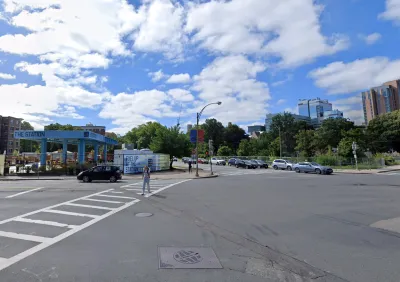
After failing to complete a plan for a major road safety project, the Boston Metropolitan Planning Organization removed it from its five-year transportation plan, losing a chance at over $8 million in federal funding for safety improvement at the intersection of Boylston Street, Park Drive, and Brookline Avenue, reports Christian MilNeil for Streetsblog Mass. The council noted that the plan is "'not likely to advertise (for construction)' anytime soon."
According to MilNeil, "In addition to the Fenway project, the city has also lost a $20 million grant federal grant intended for three major streets in Roxbury in part because City Hall neglected to secure a formal grant agreement in the three years after the initial announcement." The funding will be shifted to other "shovel-ready" projects, including new accessible elevators at MBTA stations.
FULL STORY: Another Federal Funding Fumble: Boston Loses $8.15 Million for Safety Project At Deadly Fenway Intersection

USDOT Blocks Federal Funding for Traffic Cameras
Applicants to the Safe Streets and Roads for All grant program will not be allowed to use funds for automated traffic enforcement.
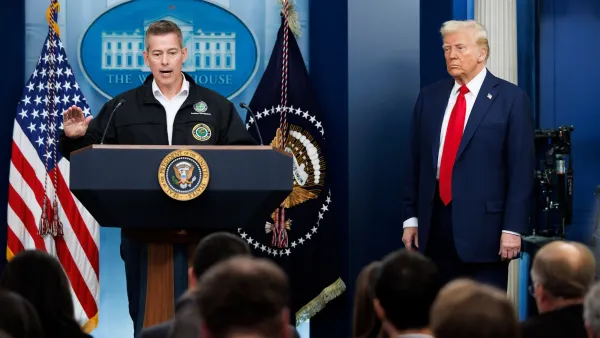
USDOT secretary plans to pull $1.73B from 'DEI bike lanes'
The move jeopardizes dozens of road safety projects around the country.
New Federal Grant Rules Could Kill Detroit Road Diets
Millions in federal dollars for safe streets could be in jeopardy after federal agencies changed conditions for grant funding.

Planetizen Federal Action Tracker
A weekly monitor of how Trump’s orders and actions are impacting planners and planning in America.

The state-sanctioned urbicide of Austin
People don’t kill cities. Freeways do.

US to reduce Colorado River water deliveries to Mexico
A new Colorado Treaty amendment reduces Mexico’s Colorado River water allocation by 250,000 acre feet.

Baltimore to break ground on $50 million Transit Priority Project
The project will bring faster bus trips, safer streets and better bike connections to Baltimore.

Airbnb launches $250 million 'last-dollar financing' housing accelerator, makes first investment in Austin
The company will put $6.4 million towards affordable housing development in Texas’ capital.

Guerilla urbanists are building DIY bus stop benches in Chicago
A before-and-after of one of the bus stops with a new bench. The new benches are not officially sanctioned or permitted, but the residents who placed them hope they will be the start of a network of DIY benches across the city.

FREE Course: Walkable City 1: Why Walkability?
After describing his path towards focusing on walkability as the essence of good planning, Jeff Speck marches through his five principal reasons for making more walkable places.
Reinventing Malls: Planning Alchemy—Turning Gray Fields Into Gold
The course focuses on the opportunities and imperatives that shape reinvention of mall sites.

Eagle County Government
Harvard University Graduate School of Design
Nashville Planning Department
The Architects Foundation
University of Cincinnati Online
The Pocatello Development Authority
The Urban Renewal Agency of the City of Pocatello
Journal of the American Planning Association