The service offered free rides to residents employed by local businesses, serving key destinations like Disneyland.


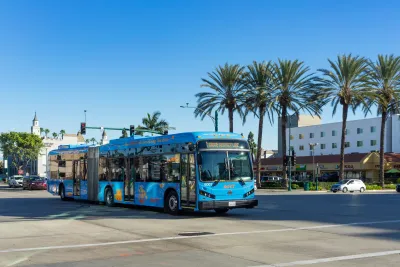
California’s Anaheim Transportation Network, which serves roughly 8 million riders annually, is scheduled to shut down on March 31. According to an article by Dan Zukowski in Smart Cities Dive, “The ATN, which aimed to become one of the first transit agencies in California to create an all-electric bus fleet, now needs to sell off its 74 vehicles, along with a charging station and another property.”
The service consisted of 10 bus routes that served Disneyland, the Anaheim Convention Center, sports facilities, and other local destinations. To avoid repaying federal grants used to purchase the system’s vehicles, it will have to sell its buses to another public transit operator.
As Zukowski explains, “About 60% of ATN’s ridership comes from trips between Disneyland Resorts and nearby hotels. Some hotels are within walking distance of the resort, and some may offer shuttle service, but other visitors may have to rely on ride-hailing services such as Uber and Lyft.” The agency also offered free service to local workers.
FULL STORY: Anaheim transit system will shut down March 31

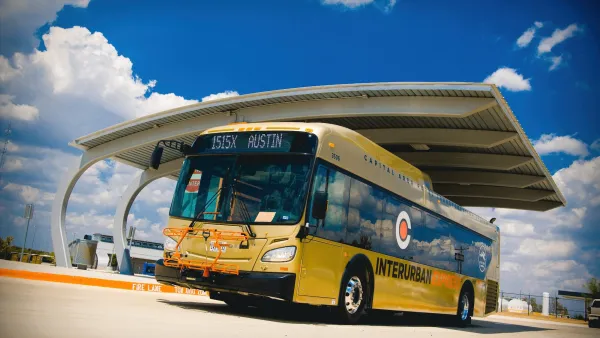
Rural Texas transit program is a 'lifeline' for seniors
A Central Texas program offers free transit to residents over 60.
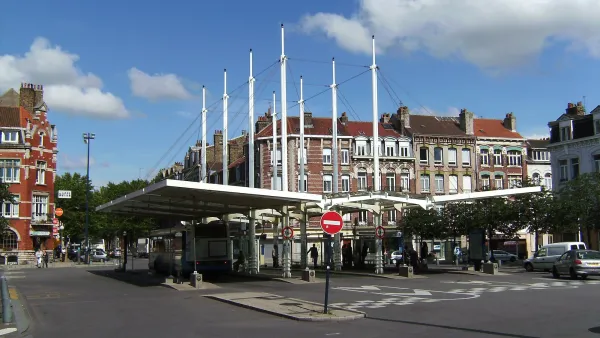
Zohran's Free Buses are Possible — Just Ask This French City
Dunkirk’s free buses are bringing social and economic rewards at a small cost to the city.
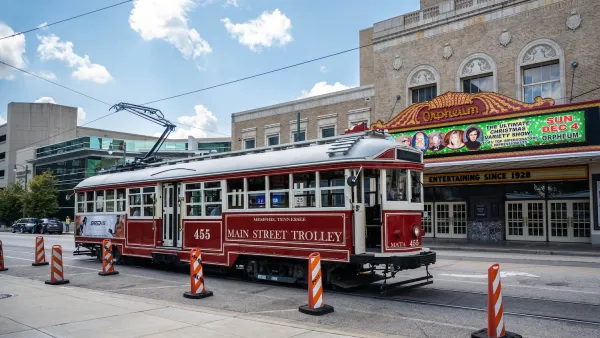
Memphis Launches 3 Month Free Transit Pilot
The city’s transit authority is making a push to increase ridership and improve its transit system.

Planetizen Federal Action Tracker
A weekly monitor of how Trump’s orders and actions are impacting planners and planning in America.

The state-sanctioned urbicide of Austin
People don’t kill cities. Freeways do.

US to reduce Colorado River water deliveries to Mexico
A new Colorado Treaty amendment reduces Mexico’s Colorado River water allocation by 250,000 acre feet.

5 New England states march closer to 800 megawatt wind energy project
Securing federal approval for the project may be complicated under the Trump administration, which has historically been hostile towards domestic wind power.

Baltimore to break ground on $50 million Transit Priority Project
The project will bring faster bus trips, safer streets and better bike connections to Baltimore.

Airbnb launches $250 million 'last-dollar financing' housing accelerator, makes first investment in Austin
The company will put $6.4 million towards affordable housing development in Texas’ capital.

FREE Course: Walkable City 1: Why Walkability?
After describing his path towards focusing on walkability as the essence of good planning, Jeff Speck marches through his five principal reasons for making more walkable places.
Reinventing Malls: Planning Alchemy—Turning Gray Fields Into Gold
The course focuses on the opportunities and imperatives that shape reinvention of mall sites.

Eagle County Government
Harvard University Graduate School of Design
Nashville Planning Department
The Architects Foundation
University of Cincinnati Online
The Pocatello Development Authority
The Urban Renewal Agency of the City of Pocatello
Journal of the American Planning Association