Rhode Island transit riders are being forced into hours-long commutes after RIPTA drastically reduced service last fall.


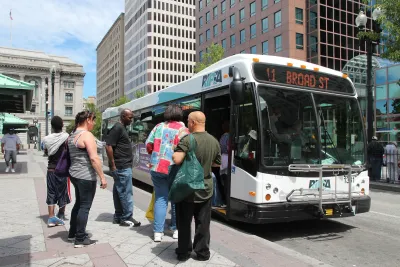
Service cuts made by the Rhode Island Public Transit Authority (RIPTA) last fall are having major impacts on riders, forcing some into much longer commutes or even changing jobs, reports Ben Berke for Ocean State Media.
As part of the cuts, “45 of RIPTA’s 63 routes saw reductions in service, which RIPTA CEO Christopher Durand described as the largest service cut in the agency’s 59-year history. Ridership across the system quickly dropped 12%, according to RIPTA.”
The cuts were made to help the agency achieve financial stability and amounted to roughly $4.4 million in annual savings, less than 3 percent of the agency’s total budget and 0.03 percent of the state’s budget. But it has had significant negative effects on residents who rely on transit. “In interviews conducted on bus routes across Rhode Island, Ocean State Media heard from riders who lost hours of free time, reduced their working hours, or started paying for Uber and Lyft rides that eat up much of their earnings.”
FULL STORY: Bus cuts reroute daily life for Rhode Island riders


Cash-Strapped RIPTA Unveils Massive Cuts to Bus Service Across the State
Just 9 bus routes untouched as agency proposes to slash trips but CEO remains mum on potential layoffs.

Rhode Island Transit Expanding On-demand Microtransit Program
RIPTA’s Flex On Demand program replaces scheduled stops on some of its bus lines with a curb-to-curb microtransit service.
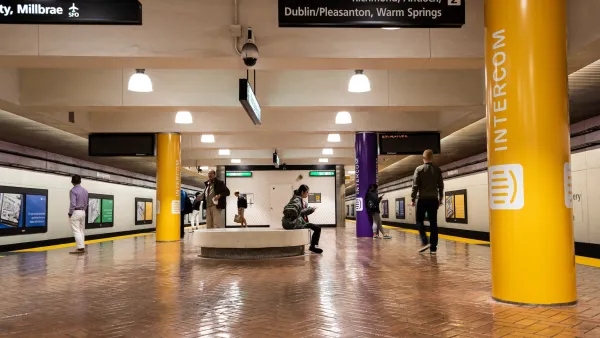
BART Announces Major Service Cuts, Fare Increases in Face of $376M Deficit
If a November ballot measure fails to bring new funding, BART’s ‘alternative service plan’ would reduce frequencies to 30 minutes, raise fares by 30%, and close up to 15 stations.

Planetizen Federal Action Tracker
A weekly monitor of how Trump’s orders and actions are impacting planners and planning in America.

The state-sanctioned urbicide of Austin
People don’t kill cities. Freeways do.

US to reduce Colorado River water deliveries to Mexico
A new Colorado Treaty amendment reduces Mexico’s Colorado River water allocation by 250,000 acre feet.

LA Metro’s ultimatum: no extra buses for LA28 if federal funding isn’t imminently secured
If Metro does not provide additional buses, LA28 organizers will have to find a new way to manage Olympic traffic. LA28’s budget does not include a line item for transit.

Colorado’s Largest Data Center Could Rise Next to Homes — Without a Public Hearing
The proposed campus would consume 11 times the power of Denver International Airport; as it has across the country, opposition mounts.

5 New England states march closer to 800 megawatt wind energy project
Securing federal approval for the project may be complicated under the Trump administration, which has historically been hostile towards domestic wind power.

FREE Course: Walkable City 1: Why Walkability?
After describing his path towards focusing on walkability as the essence of good planning, Jeff Speck marches through his five principal reasons for making more walkable places.
Reinventing Malls: Planning Alchemy—Turning Gray Fields Into Gold
The course focuses on the opportunities and imperatives that shape reinvention of mall sites.

Eagle County Government
Harvard University Graduate School of Design
Nashville Planning Department
The Architects Foundation
University of Cincinnati Online
The Pocatello Development Authority
The Urban Renewal Agency of the City of Pocatello
Journal of the American Planning Association