The city is employing AI to adjust traffic signals to prioritize buses.


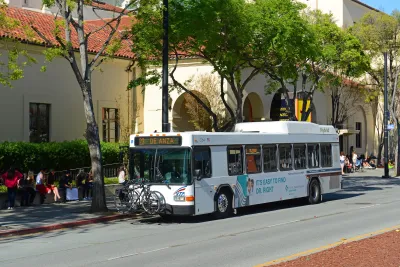
San José, California has increased its transit bus speeds by 20 percent using AI to adjust traffic signal timing, reports Dan Zukowski in Smart Cities Dive.
“The system uses real-time traffic data to give green signals to buses, thereby improving on-time performance and reducing traffic congestion, the city said in a news release.” The city started using signal priority on two bus routes in 2023.
The original pilot program reduced bus wait times at red lights by 50 percent. It has worked so well that a city spokesperson says the only problem is that the buses are sometimes ahead of schedule.
Read the full story: How one city increased transit bus speeds by 20%

Does every planner need an AI policy?
From a hundred-person agency to a one-person consultancy, the answer is yes. The difference is what “policy" means.
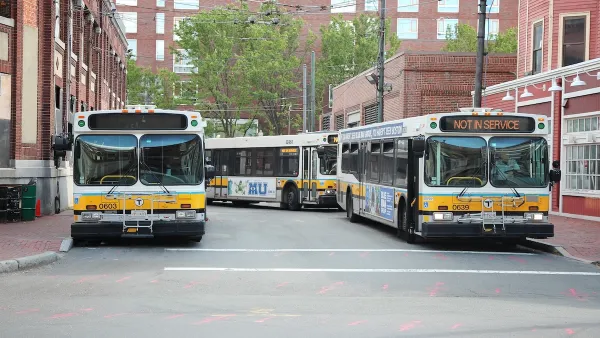
Boston Bus Signal Priority Project Yields Faster Travel Times
The city now plans to expand a year-long pilot project that reduced the time buses waited at traffic signals.

How AI Can Improve Public Transit
Machine learning and AI can transform the way transit agencies operate and make service faster and more comfortable for users.

Planetizen Federal Action Tracker
A weekly monitor of how Trump’s orders and actions are impacting planners and planning in America.

Washington state to charge fee to drivers with fuel-efficient cars
Revenue from the fee will go towards supporting the state’s highways.

Trump to blast ‘hydrocarbon highway’ through ‘world’s longest art gallery’
Environmental and historic preservation groups are suing to stop the project.

Mamdani to replace Rikers Island with four borough-based jails
The four new jails are set to open between 2029 and 2032.

NYC may allow residents to ‘adopt’ storm drains
A new proposal would establish a volunteer program where residents could help clean debris from storm drains.

‘A price cannot be put on democracy:’ Local leaders protest UMich data center
The 1.25 billion-dollar project would take up 144 acres of land in Ypsilanti Township.

FREE Course: Walkable City 1: Why Walkability?
After describing his path towards focusing on walkability as the essence of good planning, Jeff Speck marches through his five principal reasons for making more walkable places.
Reinventing Malls: Planning Alchemy—Turning Gray Fields Into Gold
The course focuses on the opportunities and imperatives that shape reinvention of mall sites.

City of Charlotte
City of Rosemead
Rutgers University, Edward J. Bloustein School of Planning and Public Policy
University of Michigan School for Environment and Sustainability (SEAS)
Hunter College, City University of New York (CUNY)
The Architects Foundation
University District Partnership