The city is employing AI to adjust traffic signals to prioritize buses.


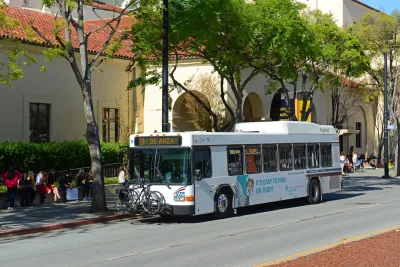
San José, California has increased its transit bus speeds by 20 percent using AI to adjust traffic signal timing, reports Dan Zukowski in Smart Cities Dive.
“The system uses real-time traffic data to give green signals to buses, thereby improving on-time performance and reducing traffic congestion, the city said in a news release.” The city started using signal priority on two bus routes in 2023.
The original pilot program reduced bus wait times at red lights by 50 percent. It has worked so well that a city spokesperson says the only problem is that the buses are sometimes ahead of schedule.
FULL STORY: How one city increased transit bus speeds by 20%


Does every planner need an AI policy?
From a hundred-person agency to a one-person consultancy, the answer is yes. The difference is what “policy" means.
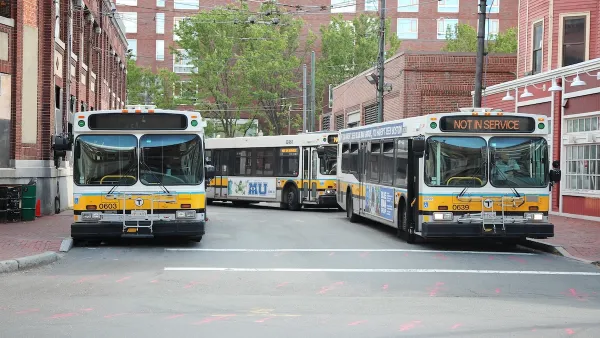
Boston Bus Signal Priority Project Yields Faster Travel Times
The city now plans to expand a year-long pilot project that reduced the time buses waited at traffic signals.

How AI Can Improve Public Transit
Machine learning and AI can transform the way transit agencies operate and make service faster and more comfortable for users.

Planetizen Federal Action Tracker
A weekly monitor of how Trump’s orders and actions are impacting planners and planning in America.

The state-sanctioned urbicide of Austin
People don’t kill cities. Freeways do.

US to reduce Colorado River water deliveries to Mexico
A new Colorado Treaty amendment reduces Mexico’s Colorado River water allocation by 250,000 acre feet.

5 New England states march closer to 800 megawatt wind energy project
Securing federal approval for the project may be complicated under the Trump administration, which has historically been hostile towards domestic wind power.

Baltimore to break ground on $50 million Transit Priority Project
The project will bring faster bus trips, safer streets and better bike connections to Baltimore.

Airbnb launches $250 million 'last-dollar financing' housing accelerator, makes first investment in Austin
The company will put $6.4 million towards affordable housing development in Texas’ capital.

FREE Course: Walkable City 1: Why Walkability?
After describing his path towards focusing on walkability as the essence of good planning, Jeff Speck marches through his five principal reasons for making more walkable places.
Reinventing Malls: Planning Alchemy—Turning Gray Fields Into Gold
The course focuses on the opportunities and imperatives that shape reinvention of mall sites.

Eagle County Government
Harvard University Graduate School of Design
Nashville Planning Department
The Architects Foundation
University of Cincinnati Online
The Pocatello Development Authority
The Urban Renewal Agency of the City of Pocatello
Journal of the American Planning Association