Uncertainty about vehicle standards and anti-renewable energy policies are raising the cost of both buying and maintaining a car.


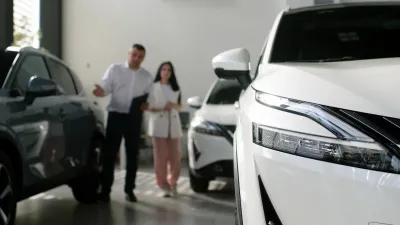
The Trump administration’s anti-EV policies are driving up the cost of all types of cars, reports Umair Irfan in Wired.
The rise in cost comes in part from the uncertainty brought about by a whiplash when it comes to federal regulations and incentives. “The Alliance for Automotive Innovation, a trade group representing companies like Ford, Toyota, and Volkswagen, sent a letter to the EPA in September saying that the administration’s moves and the repeal of incentives for electric cars mean that the current car pollution rules established under Biden and stretching out to 2027 ‘are simply not achievable.’” Although the Trump administration eliminated penalties for violations, carmakers are wary of making changes that would once again be reversed under a post-Trump government.
Meanwhile, the reversal of emissions standards could have long-lasting negative impacts. “Energy Innovation, a think tank, found that repealing tailpipe standards could cost households an extra $310 billion by 2050, mainly through more spending on gasoline.” According to Irfan, “Even the Trump administration’s own analysis of the effects of undoing the EPA’s greenhouse-gas emission regulations found that his moves would drive up gasoline prices due to more fuel consumption from less efficient vehicles.”
FULL STORY: Trump’s Hatred of EVs Is Making Gas Cars More Expensive

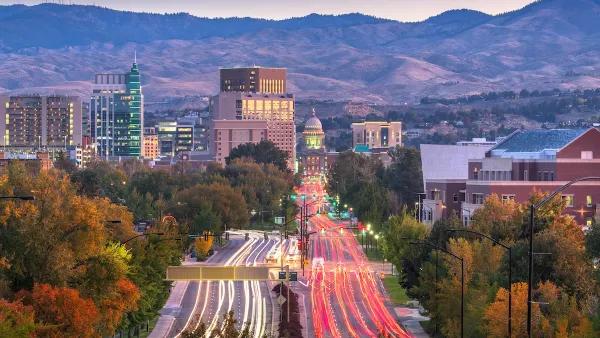
Idaho Data: Unexpected Vehicle Repairs Exacerbate Housing Instability, Eviction Risk
Over 21 percent of clients struggle with transportation barriers.
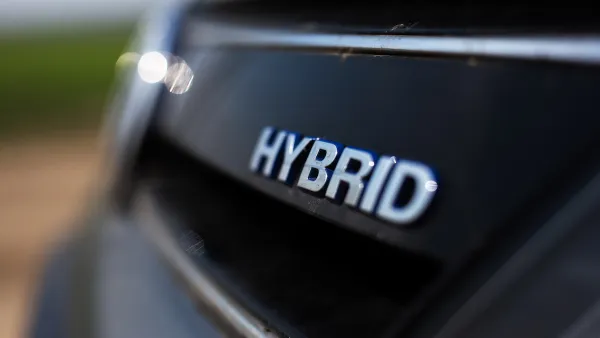
Hybrids Regain in Popularity Amid EV Cost and and Charging Concerns
After their sales dropped thanks to the introduction of all-electric vehicles, hybrid gas-electric cars are seeing a renaissance among consumers.
Car Manufacturers Worried After Trump Administration Gave More Than Expected
The auto industry lobby is meeting with Trump Administration officials to convince them to ease off the throttle.

The state-sanctioned urbicide of Austin
People don’t kill cities. Freeways do.

US to reduce Colorado River water deliveries to Mexico
A new Colorado Treaty amendment reduces Mexico’s Colorado River water allocation by 250,000 acre feet.

New Jersey’s second-largest city bans standalone data centers
Jersey City will continue to allow co-location facilities, such as those meant for research institutions that store their own data.

Amtrak not solely to blame for New Jersey commuter rail's unreliability, report finds
A new study from the Garden State Initiative found that NJ Transit’s budget grew 20% across a 4 year period, but reliability declined significantly over the same period.

EPA erases limits on planet-warming pollution from power plants
Under Monday’s plan, power plants would still have some limits on how much mercury, arsenic and other contaminants they can emit.

Phoenix announces new on-demand transit service, more frequent RAPID buses
Both new services will launch in October, and are part of Phoenix's Project Effective Access Solutions for Easing Congestion.

FREE Course: Walkable City 1: Why Walkability?
After describing his path towards focusing on walkability as the essence of good planning, Jeff Speck marches through his five principal reasons for making more walkable places.
Reinventing Malls: Planning Alchemy—Turning Gray Fields Into Gold
The course focuses on the opportunities and imperatives that shape reinvention of mall sites.

Eagle County Government
Harvard University Graduate School of Design
Nashville Planning Department
The Architects Foundation
University of Cincinnati Online
The Pocatello Development Authority
The Urban Renewal Agency of the City of Pocatello
Journal of the American Planning Association