The MTA approved a contract to extend the Q Line to three new stations, with surface work slated to begin in September.


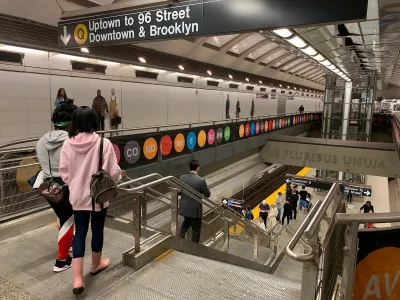
New York’s Metropolitan Transportation Authority announced plans to begin construction on the East Harlem extension of the Q Line, also known as the Second Avenue Subway, in September.
As Ramsey Khalifeh explains in Gothamist, “The nearly $2 billion deal covers the bulk of the work for the extension, which aims to add three new stations on the Q line that transit officials said would one day serve 110,000 daily riders.”
The MTA stopped work on the East Harlem extension in 1975, when the city was in the throes of a financial crisis. Now, the $7.7 billion project will include a new tunnel, the rehabilitation of an existing tunnel, and three new stations. “The awarded contract will also include designing and building a “state-of-the-art” tunnel boring machine that both excavates the earth in front of it and simultaneously installs concrete tunnel lining behind. The boring machine is expected to go into the ground in 2027.”
FULL STORY: MTA to begin digging 2nd Ave. subway in East Harlem, 50 years after project halted

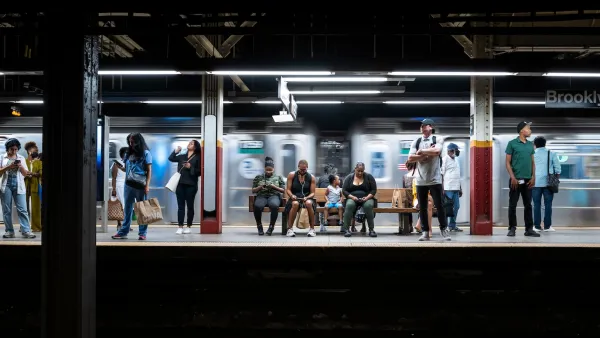
NYC Subway Had its Safest Year in Almost 20 Years — and Riders Noticed
A majority of passengers say they feel safe on trains and in stations.
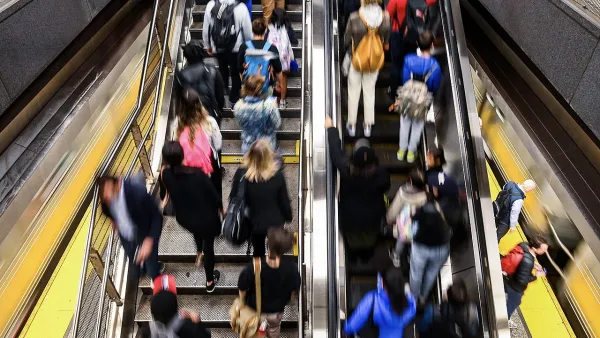
MTA Poised to Break Ridership, On-Time Service Records
New York City’s transit system saw strong increases in ridership and improvements in service quality in the first half of 2025.
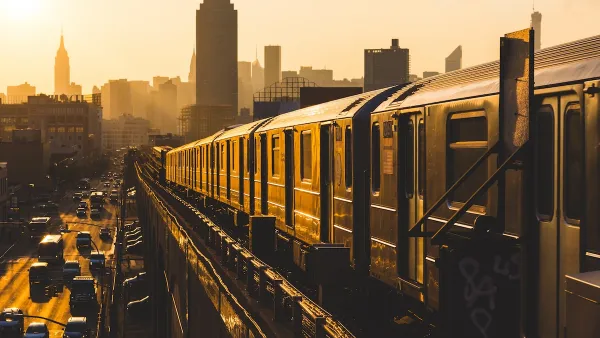
Aging NYC Subway Cars No Match for Extreme Heat
The MTA receives thousands of complaints about broken air conditioning on subway cars each summer.

Planetizen Federal Action Tracker
A weekly monitor of how Trump’s orders and actions are impacting planners and planning in America.

The state-sanctioned urbicide of Austin
People don’t kill cities. Freeways do.

US to reduce Colorado River water deliveries to Mexico
A new Colorado Treaty amendment reduces Mexico’s Colorado River water allocation by 250,000 acre feet.

5 New England states march closer to 800 megawatt wind energy project
Securing federal approval for the project may be complicated under the Trump administration, which has historically been hostile towards domestic wind power.

Baltimore to break ground on $50 million Transit Priority Project
The project will bring faster bus trips, safer streets and better bike connections to Baltimore.

Airbnb launches $250 million 'last-dollar financing' housing accelerator, makes first investment in Austin
The company will put $6.4 million towards affordable housing development in Texas’ capital.

FREE Course: Walkable City 1: Why Walkability?
After describing his path towards focusing on walkability as the essence of good planning, Jeff Speck marches through his five principal reasons for making more walkable places.
Reinventing Malls: Planning Alchemy—Turning Gray Fields Into Gold
The course focuses on the opportunities and imperatives that shape reinvention of mall sites.

Eagle County Government
Harvard University Graduate School of Design
Nashville Planning Department
The Architects Foundation
University of Cincinnati Online
The Pocatello Development Authority
The Urban Renewal Agency of the City of Pocatello
Journal of the American Planning Association