Dark-colored cars in particular can raise the surrounding air temperature by as much as 3.8 degrees Celsius.


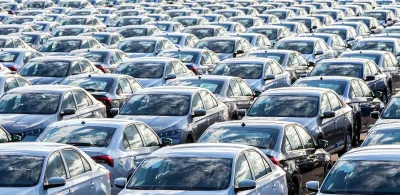
Parked cars make a significant impact on the surrounding air temperature, contributing to the urban heat island effect, according to a new report.
As an article in Carbon Copy explains, “The report by the City and Environment Interactions showed that thermal and radiative properties of cars, especially when they are stationary, alter urban surface properties and contribute to heat retention in cities.”
According to the research, many of these cars cover up to 10% of road space in busy city centres. This means that the overall “lightness” or “darkness” of a city’s surface changes a lot during the day because of where cars are parked.
The color of the cars plays a major role in how much heat it contributes to the surrounding air. Dark-colored vehicles made the surrounding air 3.8 degrees Celsius hotter than nearby asphalt roads. Light-colored cars did not significantly add to the temperature because they reflect most of the sunlight.
“The researchers pointed out that there is an urgent need to integrate the impact of parked vehicles into UHI studies and urban planning strategies.” Suggested mitigation tactics include color-based parking restrictions and building shading elements in open parking lots.
FULL STORY: Parked Vehicles Significantly Intensify Urban Warming: Report

Copenhagen is losing its cool
In a city long designed to maximize light during dark Scandinavian winters, climate change is forcing the Danish capital to rethink its relationship with the sun.
Washington Urban Forestry Program Faces 'Existential' Budget Cut
A proposed budget eliminates funding for a key urban forestry program that funds greening efforts across the state.
Study: Houston’s Vacant Lots Worsen Heat Island Effect
Paved lots and abandoned buildings can raise surrounding surface temperatures as much as 20 degrees, according to a new study.

Planetizen Federal Action Tracker
A weekly monitor of how Trump’s orders and actions are impacting planners and planning in America.

The state-sanctioned urbicide of Austin
People don’t kill cities. Freeways do.

US to reduce Colorado River water deliveries to Mexico
A new Colorado Treaty amendment reduces Mexico’s Colorado River water allocation by 250,000 acre feet.

Baltimore to break ground on $50 million Transit Priority Project
The project will bring faster bus trips, safer streets and better bike connections to Baltimore.

Airbnb launches $250 million 'last-dollar financing' housing accelerator, makes first investment in Austin
The company will put $6.4 million towards affordable housing development in Texas’ capital.

Guerilla urbanists are building DIY bus stop benches in Chicago
A before-and-after of one of the bus stops with a new bench. The new benches are not officially sanctioned or permitted, but the residents who placed them hope they will be the start of a network of DIY benches across the city.

FREE Course: Walkable City 1: Why Walkability?
After describing his path towards focusing on walkability as the essence of good planning, Jeff Speck marches through his five principal reasons for making more walkable places.
Reinventing Malls: Planning Alchemy—Turning Gray Fields Into Gold
The course focuses on the opportunities and imperatives that shape reinvention of mall sites.

Eagle County Government
Harvard University Graduate School of Design
Nashville Planning Department
The Architects Foundation
University of Cincinnati Online
The Pocatello Development Authority
The Urban Renewal Agency of the City of Pocatello
Journal of the American Planning Association