Paved lots and abandoned buildings can raise surrounding surface temperatures as much as 20 degrees, according to a new study.


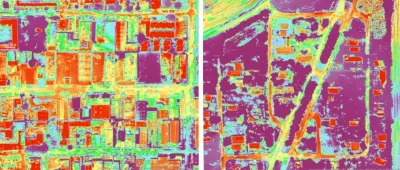
A new study from Texas A&M University reveals the impact that vacant and abandoned lots have on temperature in surrounding neighborhoods in Houston, Texas.
While lots with vegetation can help cool surrounding areas, paved lots and abandoned buildings can raise surrounding surface temperatures by as much as 20 degrees Fahrenheit. “Houston alone contains roughly 45,000 acres of vacant land and 10,000 acres of abandoned buildings, according to the study.”
Increased heat has an impact on people living in and walking through these areas, forcing households to spend more on cooling and straining the power grid and putting transit commuters in danger of heat-related illnesses.
Dr. Dingding Ren, who led the study, says “Low-income people are sometimes forced to walk or bike in this extreme heat with zero shading, and over time, being exposed like this every summer is not healthy.” Ren recommends that cities like Houston, one of the 10 hottest in the nation, invest in green infrastructure, trees, and green spaces can help reduce urban heat and public health risks.
FULL STORY: Abandoned land drives dangerous heat in Houston, Texas A&M study finds

Washington Urban Forestry Program Faces 'Existential' Budget Cut
A proposed budget eliminates funding for a key urban forestry program that funds greening efforts across the state.
Study: Parked Cars Significantly Increase Urban Heat Island Effect
Dark-colored cars in particular can raise the surrounding air temperature by as much as 3.8 degrees Celsius.
Record Temperatures Prompt Push for Environmental Justice Bills
Nevada legislators are proposing laws that would mandate heat mitigation measures to protect residents from the impacts of extreme heat.

Planetizen Federal Action Tracker
A weekly monitor of how Trump’s orders and actions are impacting planners and planning in America.

The state-sanctioned urbicide of Austin
People don’t kill cities. Freeways do.

US to reduce Colorado River water deliveries to Mexico
A new Colorado Treaty amendment reduces Mexico’s Colorado River water allocation by 250,000 acre feet.

5 New England states march closer to 800 megawatt wind energy project
Securing federal approval for the project may be complicated under the Trump administration, which has historically been hostile towards domestic wind power.

Baltimore to break ground on $50 million Transit Priority Project
The project will bring faster bus trips, safer streets and better bike connections to Baltimore.

Airbnb launches $250 million 'last-dollar financing' housing accelerator, makes first investment in Austin
The company will put $6.4 million towards affordable housing development in Texas’ capital.

FREE Course: Walkable City 1: Why Walkability?
After describing his path towards focusing on walkability as the essence of good planning, Jeff Speck marches through his five principal reasons for making more walkable places.
Reinventing Malls: Planning Alchemy—Turning Gray Fields Into Gold
The course focuses on the opportunities and imperatives that shape reinvention of mall sites.

Eagle County Government
Harvard University Graduate School of Design
Nashville Planning Department
The Architects Foundation
University of Cincinnati Online
The Pocatello Development Authority
The Urban Renewal Agency of the City of Pocatello
Journal of the American Planning Association