The CTA is implementing changes to its tracking technology that will more accurately display bus arrival times and track bus reroutes and delays.


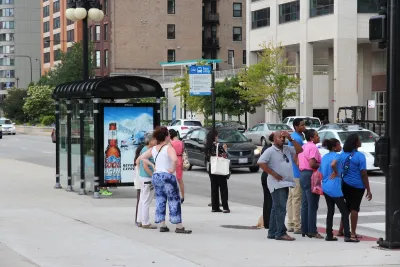
The Chicago Transit Authority (CTA) is tackling the problem of ‘ghost buses,’ buses that show up on the agency’s CTA Bus Tracker but don’t actually arrive.
As Igor Studenkov explains in Streetsblog Chicago, a CTA report acknowledged that the issue has “eroded trust in a significant way.” The agency is working to more quickly update its app and third-party apps when buses break down, are unable to park, or other factors that create false positives. “Now, when the operators call the control center, the control center staff can update the information on the app to reflect whether the bus is actually coming or not.”
The tracker apps will also now display bus reroutes and alert riders when a bus will not be making a scheduled stop. The new system is dynamic enough that it should be updated even when unexpected emergencies like water main breaks impact service.

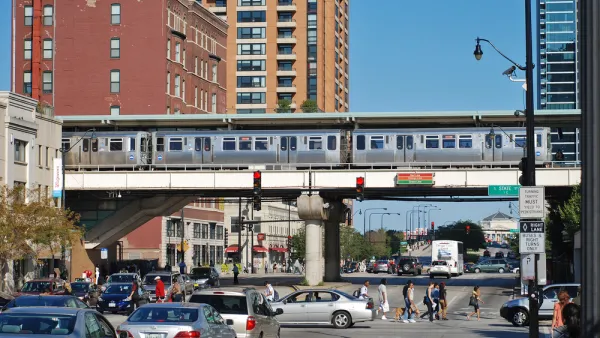
Chicago Transit Still Stumbling After Redesign
The city’s transit agency made changes to its schedules to make wait times more predictable and streamline services on the most popular routes, but riders are still experiencing headways longer than before the pandemic.
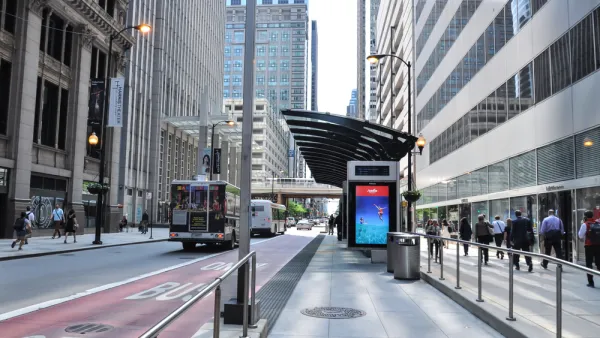
Chicago Makes ‘Pop-Up’ Bus Lanes Permanent
Even with the addition of 3.5 miles of permanent bus-only lanes, Chicago trails other cities in miles of dedicated bus lanes.
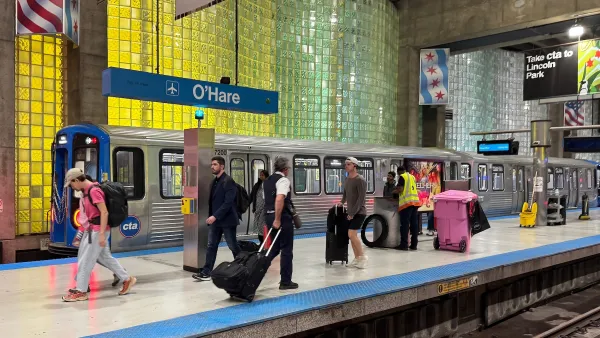
Costumed Chicagoans try to 'Catch That Train' in new viral trend
Residents are donning costumes and running to board CTA trains in a whimsical nod to the age-old problem of missing your train.

Planetizen Federal Action Tracker
A weekly monitor of how Trump’s orders and actions are impacting planners and planning in America.

The state-sanctioned urbicide of Austin
People don’t kill cities. Freeways do.

US to reduce Colorado River water deliveries to Mexico
A new Colorado Treaty amendment reduces Mexico’s Colorado River water allocation by 250,000 acre feet.

5 New England states march closer to 800 megawatt wind energy project
Securing federal approval for the project may be complicated under the Trump administration, which has historically been hostile towards domestic wind power.

Baltimore to break ground on $50 million Transit Priority Project
The project will bring faster bus trips, safer streets and better bike connections to Baltimore.

Airbnb launches $250 million 'last-dollar financing' housing accelerator, makes first investment in Austin
The company will put $6.4 million towards affordable housing development in Texas’ capital.

FREE Course: Walkable City 1: Why Walkability?
After describing his path towards focusing on walkability as the essence of good planning, Jeff Speck marches through his five principal reasons for making more walkable places.
Reinventing Malls: Planning Alchemy—Turning Gray Fields Into Gold
The course focuses on the opportunities and imperatives that shape reinvention of mall sites.

Eagle County Government
Harvard University Graduate School of Design
Nashville Planning Department
The Architects Foundation
University of Cincinnati Online
The Pocatello Development Authority
The Urban Renewal Agency of the City of Pocatello
Journal of the American Planning Association