The bill would prevent new developments from prohibiting mobile homes and modular housing.


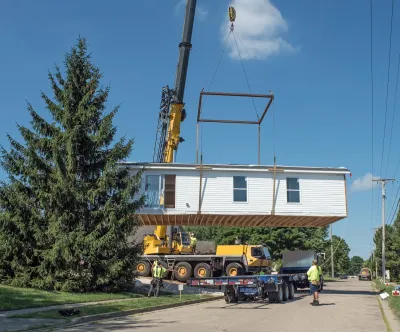
A proposed Oregon bill would bar new planned developments from prohibiting manufactured and modular housing.
As Mia Maldonado explains in the Oregon Capital Chronicle, “House Bill 3144 would not impact existing communities, only new communities moving forward. Manufactured units would still be subject to the same design requirements of other homes in a community.”
Oregon has over 140,000 manufactured homes, according to the Network for Oregon Affordable Housing, many of which offer a key affordable housing resource for low-income residents. But bans on the structures in some communities limit the options for residents and put them out of reach for lower-income residents.
The law also extends the date for receiving grants from the state’s Manufactured and Marina Communities Resource Center, which is supported by fees from mobile home and marina residents. The fund helps residents access legal representation during disputes with landlords, since most mobile home and houseboat residents rent the land or water they live on.
FULL STORY: Oregon bill would stop bans on mobile homes

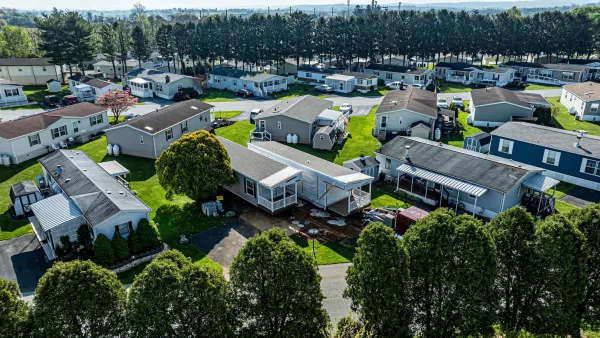
Should the public sector buy mobile home parks?
One writer argues that the crisis facing the nation's mobile home owners warrants public intervention.
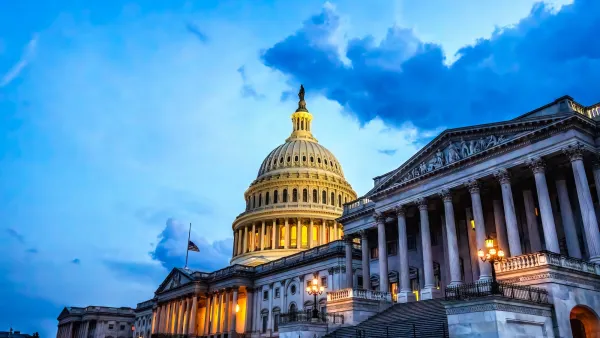
US Senate Passes Housing Bill With Focus on Financing, Deregulation
The proposal would ease regulations, allow banks to invest more in affordable housing, and change a rule that has been holding back manufactured housing.
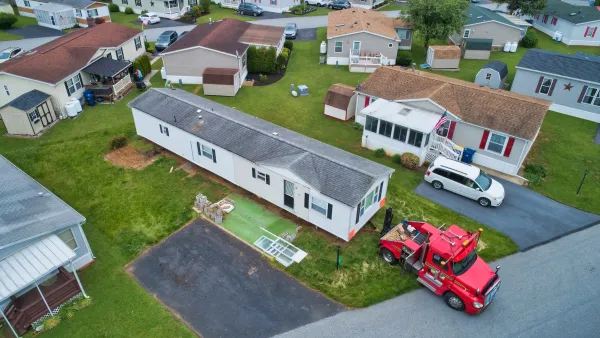
Affordable HOMES Act Removes DOE Oversight From Manufactured Housing, Claims it Will Drop Prices by $10K
A bill that passed the U.S. House would put regulations for manufactured housing, including energy standards, solely under the Department of Housing and Urban Development.

Planetizen Federal Action Tracker
A weekly monitor of how Trump’s orders and actions are impacting planners and planning in America.

The state-sanctioned urbicide of Austin
People don’t kill cities. Freeways do.

US to reduce Colorado River water deliveries to Mexico
A new Colorado Treaty amendment reduces Mexico’s Colorado River water allocation by 250,000 acre feet.

Guerilla urbanists are building DIY bus stop benches in Chicago
A before-and-after of one of the bus stops with a new bench. The new benches are not officially sanctioned or permitted, but the residents who placed them hope they will be the start of a network of DIY benches across the city.

Mamdani overhauls NYC's Vision Zero plan with 100 new policy goals
The overhaul aims to reduce traffic deaths and make streets safer for pedestrians, cyclists and drivers through lower speed limits, new safety infrastructure and more.

Amtrak not solely to blame for New Jersey commuter rail's unreliability, report finds
A new study from the Garden State Initiative found that NJ Transit’s budget grew 20% across a 4 year period, but reliability declined significantly over the same period.

FREE Course: Walkable City 1: Why Walkability?
After describing his path towards focusing on walkability as the essence of good planning, Jeff Speck marches through his five principal reasons for making more walkable places.
Reinventing Malls: Planning Alchemy—Turning Gray Fields Into Gold
The course focuses on the opportunities and imperatives that shape reinvention of mall sites.

Eagle County Government
Harvard University Graduate School of Design
Nashville Planning Department
The Architects Foundation
University of Cincinnati Online
The Pocatello Development Authority
The Urban Renewal Agency of the City of Pocatello
Journal of the American Planning Association