The city’s mayor promises all Olympic venues will be reachable by transit, but the city’s ability to finish its transit projects on time is coming into question.


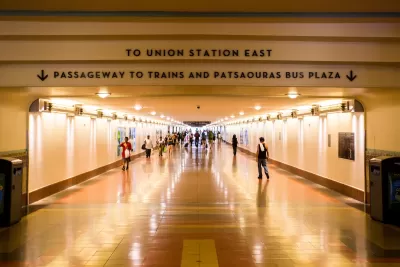
Los Angeles officials say the city is getting ready to host a ‘no-car’ Olympics, reports Jenna Fryer for the Associated Press.
Mayor Karen Bass says the city is working to expand and improve its public transit system, which will be the only way to access the Los Angeles Olympic venues in 2028. However, a recent report from the Los Angeles County Metropolitan Transportation Authority reveals that the city is falling behind its transit plans in advance of the Games.
Among the plans for the event, the city plans to deploy a fleet of 3,000 buses and ask businesses to let employees work remotely to reduce traffic. Mayor Tom Bradley took similar steps during the 1984 Olympics, the last time Los Angeles hosted the games, asking businesses to stagger their workforces.
Mayor Bass also said the city is working to house the over 75,000 homeless Angelenos, but offered few details.
FULL STORY: No-car Games: Los Angeles Olympic venues will only be accessible by public transportation

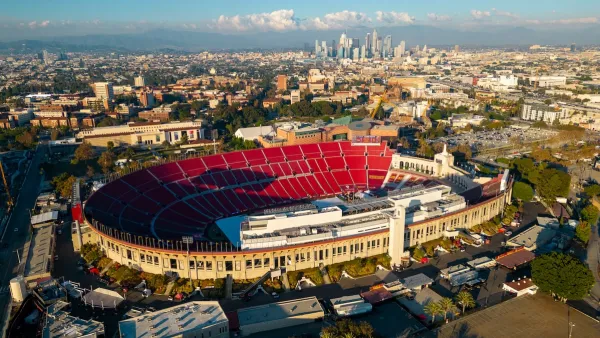
LA’s ‘Car-Free’ Olympic Dream Is in Danger
Can the city fund its ambitious plans to build over $3 billion of public transit and sustainable transportation projects before the 2028 Olympic Games?

LA has no plan — or funding — to help unhoused people displaced by Olympics security efforts
City and county officials say they don't have the funds to offer housing to the up to 1,600 people that will be displaced by perimeters around event venues.
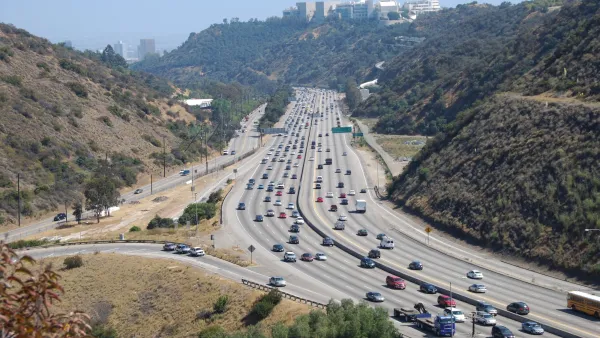
LA Metro Board Approves New Subway for One of Nation’s Busiest Freeway Corridors
The new subway could cut the hour-long trip between west Los Angeles and the San Fernando Valley to 20 minutes.

The state-sanctioned urbicide of Austin
People don’t kill cities. Freeways do.

US to reduce Colorado River water deliveries to Mexico
A new Colorado Treaty amendment reduces Mexico’s Colorado River water allocation by 250,000 acre feet.

New Jersey’s second-largest city bans standalone data centers
Jersey City will continue to allow co-location facilities, such as those meant for research institutions that store their own data.

Amtrak not solely to blame for New Jersey commuter rail's unreliability, report finds
A new study from the Garden State Initiative found that NJ Transit’s budget grew 20% across a 4 year period, but reliability declined significantly over the same period.

EPA erases limits on planet-warming pollution from power plants
Under Monday’s plan, power plants would still have some limits on how much mercury, arsenic and other contaminants they can emit.

Phoenix announces new on-demand transit service, more frequent RAPID buses
Both new services will launch in October, and are part of Phoenix's Project Effective Access Solutions for Easing Congestion.

FREE Course: Walkable City 1: Why Walkability?
After describing his path towards focusing on walkability as the essence of good planning, Jeff Speck marches through his five principal reasons for making more walkable places.
Reinventing Malls: Planning Alchemy—Turning Gray Fields Into Gold
The course focuses on the opportunities and imperatives that shape reinvention of mall sites.

Eagle County Government
Harvard University Graduate School of Design
Nashville Planning Department
The Architects Foundation
University of Cincinnati Online
The Pocatello Development Authority
The Urban Renewal Agency of the City of Pocatello
Journal of the American Planning Association