Longer, more intense heat waves are driving up cooling costs and putting low-income households at higher risk for heat-related illnesses.


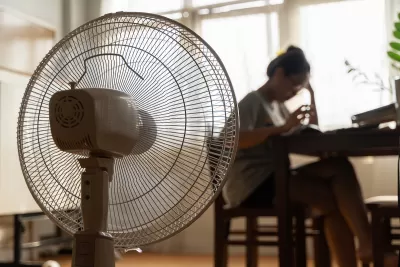
Summer cooling costs for the average U.S. household are projected to hit a 10-year high this year, according to a report from the National Energy Assistance Directors Association and Center for Energy Poverty and Climate.
As Ysabelle Kempe explains in Smart Cities Dive, the average bill over the June-through-September period is estimated to be $719, 8 percent higher than last year. “Some regions are projected to face a greater rise in average year-over-year summer electricity costs than others. The greatest bill increases are projected to be in the Mid-Atlantic, which includes New York, Pennsylvania and New Jersey, and the Pacific region, which includes Washington, Oregon and California.”
Extreme heat is becoming a pressing public health concern as more cities face rising summer temperatures and unsustainably high energy demands. For people without access to air conditioning or local cooling centers, heat can be deadly. Last year, a record 2,300 people died from heat-related causes. Only 17 states and Washington, D.C. have rules in place to prevent utility shutoffs. According to NEADA Executive Director Mark Wolfe, “What we’re missing in the country is a year-round strategy to help people pay their heating and cooling bills, and we think that Congress should take that up next year.”
FULL STORY: How US summer cooling costs are rising in 2 charts


The Heat Is On: Rising Temperatures Strain Urban Infrastructure
This summer is predicted to be one of the hottest on record, and heat waves will likely put physical and social infrastructure to the test.
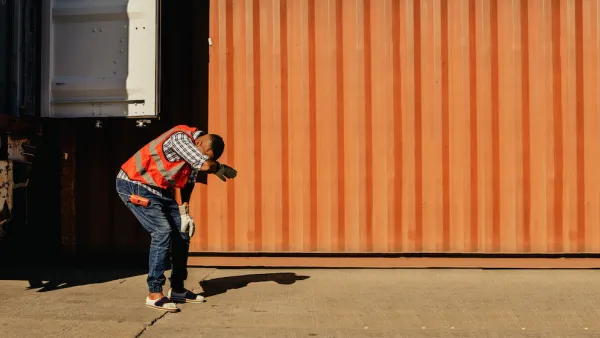
Extreme Heat’s Far-Reaching Impacts
Heat is associated with worsened mental health, poorer test scores, and even higher car crash rates.

To Combat Rising Heat Deaths, Phoenix Creates Heat Response and Mitigation Office
As more extreme temperatures lead to an alarming rise in heat-related deaths across the country, Phoenix is taking action with the nation's first public heat response office.

The state-sanctioned urbicide of Austin
People don’t kill cities. Freeways do.

US to reduce Colorado River water deliveries to Mexico
A new Colorado Treaty amendment reduces Mexico’s Colorado River water allocation by 250,000 acre feet.

New Jersey’s second-largest city bans standalone data centers
Jersey City will continue to allow co-location facilities, such as those meant for research institutions that store their own data.

Amtrak not solely to blame for New Jersey commuter rail's unreliability, report finds
A new study from the Garden State Initiative found that NJ Transit’s budget grew 20% across a 4 year period, but reliability declined significantly over the same period.

EPA erases limits on planet-warming pollution from power plants
Under Monday’s plan, power plants would still have some limits on how much mercury, arsenic and other contaminants they can emit.

Phoenix announces new on-demand transit service, more frequent RAPID buses
Both new services will launch in October, and are part of Phoenix's Project Effective Access Solutions for Easing Congestion.

FREE Course: Walkable City 1: Why Walkability?
After describing his path towards focusing on walkability as the essence of good planning, Jeff Speck marches through his five principal reasons for making more walkable places.
Reinventing Malls: Planning Alchemy—Turning Gray Fields Into Gold
The course focuses on the opportunities and imperatives that shape reinvention of mall sites.

Eagle County Government
Harvard University Graduate School of Design
Nashville Planning Department
The Architects Foundation
University of Cincinnati Online
The Pocatello Development Authority
The Urban Renewal Agency of the City of Pocatello
Journal of the American Planning Association