Planning is underway to restore a 45-year-defunct regional passenger rail line connecting southern Montana to Billings and Amtrak’s east-west Empire Builder line from Seattle to Chicago.


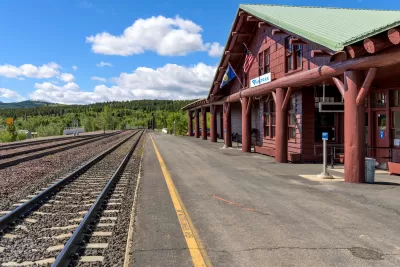
The Big Sky Rail Authority has confirmed plans for two passenger rail routes through Montana, according to Missoula media outlet 8KPAX. A federal rail study has identified two preferred long-distance routes: upgrades to Amtrak’s east-west Empire Builder line connecting Seattle to Chicago that runs through the state and a restoration of the connecting north-south North Coast Hiawatha route from southern Montana to Billings, the state’s largest city.
Funding for the projects come from $8 billion in new grants announced by the Biden administration in December for rail projects. The Empire Builder upgrades will receive $15 million for upgrades, while $500,000 will go to the planning stage of the North Coast Hiawatha route, which Amtrak discontinued in 1979. The restoration of the north-south route is a massive win for the Big Sky Rail Authority, a coalition of 20 urban and rural counties and three tribal nations, which has been advocating for the project for the last few years.
“If folks are wondering about feasibility or not, that train has left the station,” Big Sky Rail Authority Chairperson Dave Strohmaier told 8KPAX. “We are no longer debating feasibility. We are in the planning stage as we speak to make this happen.”
According to a 2021 report from the Rail Passengers Association, total cost for restoration of the North Coast Hiawatha is estimated to generate $271 million in economic benefits to seven states and cost Amtrak $68 million to operate, which will be offset by the collection of $41 million in fars and other customer revenue. In addition to enhanced tourism opportunities for the state, the new line will offer major benefits for rural southern Montana residents, including connecting them to vital services like medical care in larger cities like Billings that they can’t access in their home counties.
FULL STORY: Big Sky Passenger Rail Authority: ‘We are no longer debating feasibility’

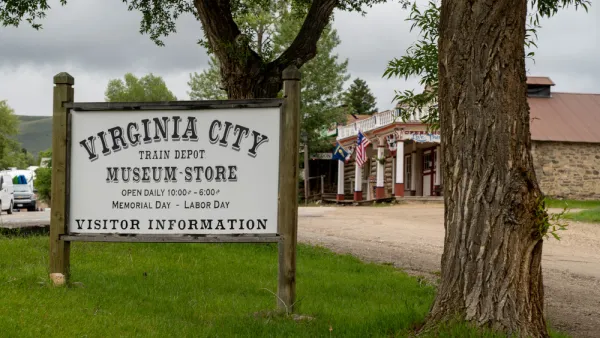
Montana Coalition Wants to Revive Passenger Rail
Supporters of the Big Sky Passenger Rail Authority argue that a new train could spur economic development and provide a valuable service for the state's non-driving residents.
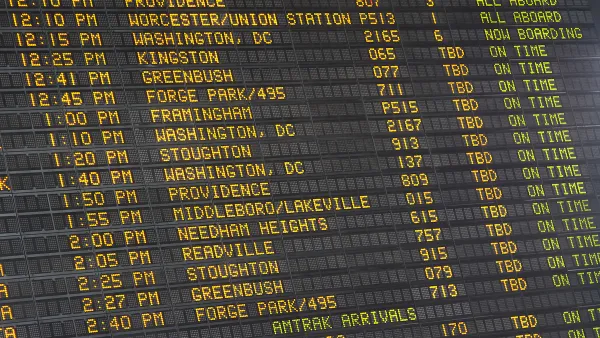
The Bright Future of U.S. Passenger Rail
High-speed rail may still be a distant vision in the United States, but conventional passenger rail is having a resurgence.
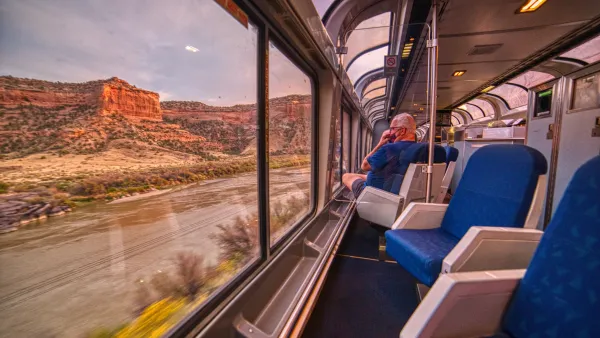
Amtrak Calls for Expansion, Citing Close to 100 Requests for New Lines
The agency told a House committee it has received more than 90 applications for new intercity rail lines from cities around the country.

Planetizen Federal Action Tracker
A weekly monitor of how Trump’s orders and actions are impacting planners and planning in America.

The state-sanctioned urbicide of Austin
People don’t kill cities. Freeways do.

US to reduce Colorado River water deliveries to Mexico
A new Colorado Treaty amendment reduces Mexico’s Colorado River water allocation by 250,000 acre feet.

Amtrak not solely to blame for New Jersey commuter rail's unreliability, report finds
A new study from the Garden State initiative found that NJ Transit’s budget grew 20% across a 4 year period, but reliability declined significantly over the same period.

EPA erases limits on planet-warming pollution from power plants
Under Monday’s plan, power plants would still have some limits on how much mercury, arsenic and other contaminants they can emit.

Phoenix announces new on-demand transit service, more frequent RAPID buses
Both new services will launch in October, and are part of Phoenix's Project Effective Access Solutions for Easing Congestion.

FREE Course: Walkable City 1: Why Walkability?
After describing his path towards focusing on walkability as the essence of good planning, Jeff Speck marches through his five principal reasons for making more walkable places.
Reinventing Malls: Planning Alchemy—Turning Gray Fields Into Gold
The course focuses on the opportunities and imperatives that shape reinvention of mall sites.

Eagle County Government
Harvard University Graduate School of Design
Nashville Planning Department
The Architects Foundation
University of Cincinnati Online
The Pocatello Development Authority
The Urban Renewal Agency of the City of Pocatello
Journal of the American Planning Association