Cities and states have until the end of the year to decide how to spend federal affordable housing dollars.


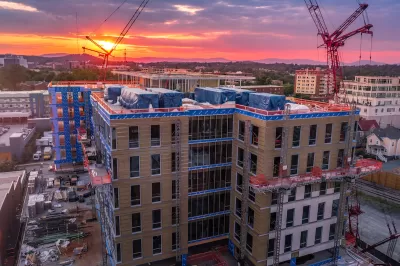
In an opinion piece in Governing, Colby Sledge outlines the key decisions local lawmakers will need to make soon to avoid losing federal funding allocated for affordable housing in the American Rescue Plan Act. Localities have until the end of 2024 to allocate funds and until the end of 2026 to spend them, Sledge notes. “Looking to the future, local housing and planning departments can and should make the argument now for protecting their affordable-housing spending so the funds don’t get plundered in the upcoming budgetary cycle.”
According to Sledge, governments could allocate funds to recapitalizing existing projects such as supportive housing, building capacity with technical and policy assistance and supporting a more favorable building environment, and allocating funds to housing trusts and bridge loan funds that can fund the rehabilitation of existing housing and support long-term affordable housing development. “In localities where no such fund currently exists, localities may use ARPA dollars to fund the technical assistance needed to create one, while seeding the fund in future years through other revenue sources.”
FULL STORY: Opinion: The Need to Protect Unspent Affordable Housing Money

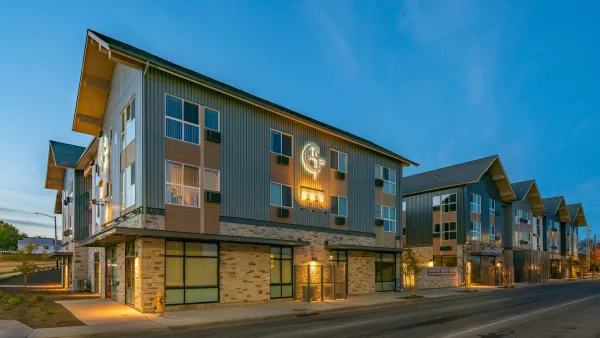
When churches become builders: New data chronicles the rise of the YIGBY movement
More and more churches want to use their land to build affordable housing. The public sector can help.
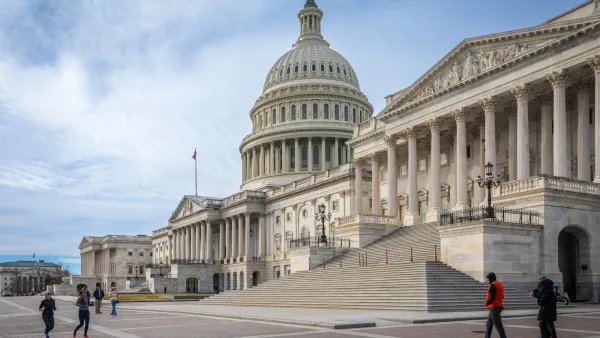
Senate passes bipartisan housing bill
The Senate version of the 21st Century ROAD to Housing Act now heads to the House for a vote.
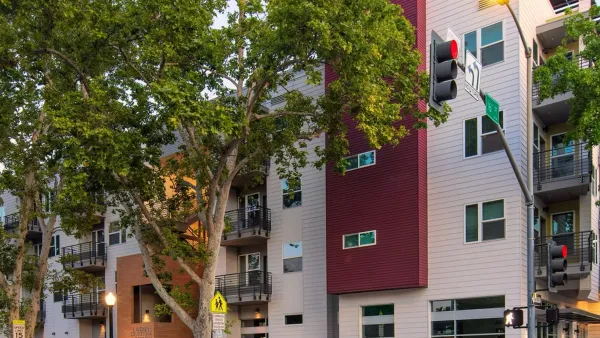
New Washington State Law Lets Cities Give Social Housing Developers City-owned Land
In its current form, HB 1687, which authorizes local governments to assist social housing agencies with land or other resources, only applies to Seattle.

The state-sanctioned urbicide of Austin
People don’t kill cities. Freeways do.

US to reduce Colorado River water deliveries to Mexico
A new Colorado Treaty amendment reduces Mexico’s Colorado River water allocation by 250,000 acre feet.

New Jersey’s second-largest city bans standalone data centers
Jersey City will continue to allow co-location facilities, such as those meant for research institutions that store their own data.

Amtrak not solely to blame for New Jersey commuter rail's unreliability, report finds
A new study from the Garden State Initiative found that NJ Transit’s budget grew 20% across a 4 year period, but reliability declined significantly over the same period.

EPA erases limits on planet-warming pollution from power plants
Under Monday’s plan, power plants would still have some limits on how much mercury, arsenic and other contaminants they can emit.

Phoenix announces new on-demand transit service, more frequent RAPID buses
Both new services will launch in October, and are part of Phoenix's Project Effective Access Solutions for Easing Congestion.

FREE Course: Walkable City 1: Why Walkability?
After describing his path towards focusing on walkability as the essence of good planning, Jeff Speck marches through his five principal reasons for making more walkable places.
Reinventing Malls: Planning Alchemy—Turning Gray Fields Into Gold
The course focuses on the opportunities and imperatives that shape reinvention of mall sites.

Eagle County Government
Harvard University Graduate School of Design
Nashville Planning Department
The Architects Foundation
University of Cincinnati Online
The Pocatello Development Authority
The Urban Renewal Agency of the City of Pocatello
Journal of the American Planning Association