Variable parking pricing can offer some of the same benefits as congestion pricing.


A new video from City Beautiful explains how on-street parking in many cities is woefully underpriced—and how variable pricing could have similar effects to congestion pricing in reducing congestion and pollution. Aysha Khan describes the video in Next City.
As Khan explains, “Despite competing uses for these spaces – outdoor dining, bioswales, bike lanes, loading zones, widened sidewalks and so on – local governments rarely raise their parking prices to market rates, or rates that acknowledge the nominal and real costs of parking.” Cities offer low-cost parking to attract customers to local businesses, but more strategic pricing could help mitigate traffic issues, boost economic development, and reduce emissions.
In the video, Dave Amos explains that variable pricing can help manage demand and ensure there are enough parking spaces while discouraging unnecessary trips and raising revenue. “Amos points to a pilot program in San Franciso for variable parking pricing, which installed sensors at every meter and adjusted parking prices over time to ensure a 60 to 80% occupancy rate. By raising prices at peak periods, they achieved their occupancy goals and cut cruising rates in half, offering a promising model for other cities to follow.”
FULL STORY: What’s the Best Price for City Parking?


More Cities are Shifting to Demand-Based Curb Parking
Largely used for free car parking, urban curb space is becoming a more precious commodity.
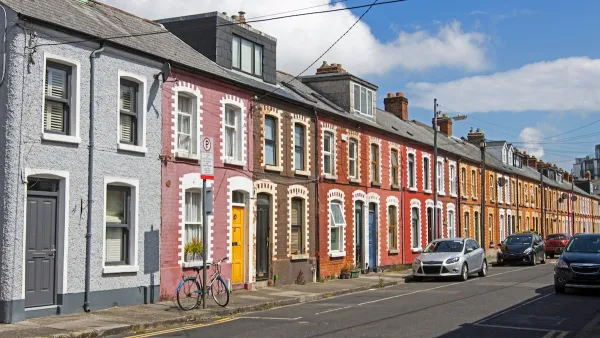
Reimagining the Curb: How Smart Curb Management is Transforming Urban Mobility
Modern demands for curbside space call for new ways to manage and allocate it.
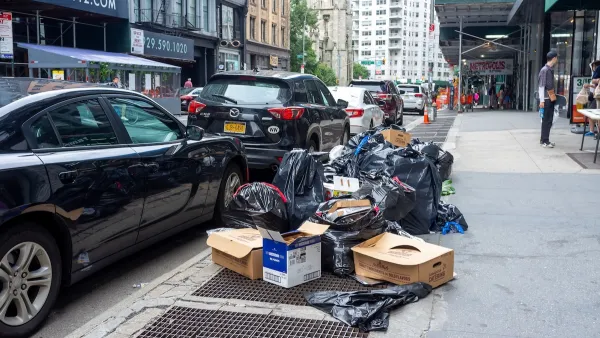
NYC Launches ‘Smart Curbs’ Program
The pilot program on the Upper West Side will remove some curbside parking spots to replace them with public seating, bike racks, and delivery zones.

Planetizen Federal Action Tracker
A weekly monitor of how Trump’s orders and actions are impacting planners and planning in America.

The state-sanctioned urbicide of Austin
People don’t kill cities. Freeways do.

US to reduce Colorado River water deliveries to Mexico
A new Colorado Treaty amendment reduces Mexico’s Colorado River water allocation by 250,000 acre feet.

5 New England states march closer to 800 megawatt wind energy project
Securing federal approval for the project may be complicated under the Trump administration, which has historically been hostile towards domestic wind power.

Baltimore to break ground on $50 million Transit Priority Project
The project will bring faster bus trips, safer streets and better bike connections to Baltimore.

Airbnb launches $250 million 'last-dollar financing' housing accelerator, makes first investment in Austin
The company will put $6.4 million towards affordable housing development in Texas’ capital.

FREE Course: Walkable City 1: Why Walkability?
After describing his path towards focusing on walkability as the essence of good planning, Jeff Speck marches through his five principal reasons for making more walkable places.
Reinventing Malls: Planning Alchemy—Turning Gray Fields Into Gold
The course focuses on the opportunities and imperatives that shape reinvention of mall sites.

Eagle County Government
Harvard University Graduate School of Design
Nashville Planning Department
The Architects Foundation
University of Cincinnati Online
The Pocatello Development Authority
The Urban Renewal Agency of the City of Pocatello
Journal of the American Planning Association