Roughly 40 percent of people facing evictions each year are children.


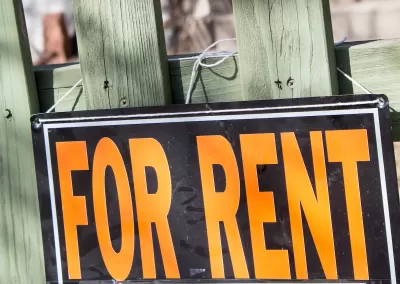
An Associated Press article by Jesse Bedayn and Michael Casey highlights the impact of the housing crisis on American households and youth. Half of U.S. renters now spend more than 30 percent of their income on housing, and millions face eviction each year.
Renters who make under $30,000 per year are left with only $310 per month in income for other needs, forcing households to make painful tradeoffs. Of the people who face eviction each year, roughly 2.9 million, or 40 percent, are children.
Now, states and the federal government are looking at legislative ways to support more affordable housing, prevent evictions, and boost the housing supply. Colorado is considering laws that would boost tenant protections. Proposals in Washington state would limit annual rent increases and require 10 percent affordable housing around transit hubs.
At the federal level, the Neighborhood Homes Investment Act would offer federal tax credits for rehabilitating older housing to keep it habitable.
FULL STORY: A record number of Americans can't afford their rent. Lawmakers are scrambling to help

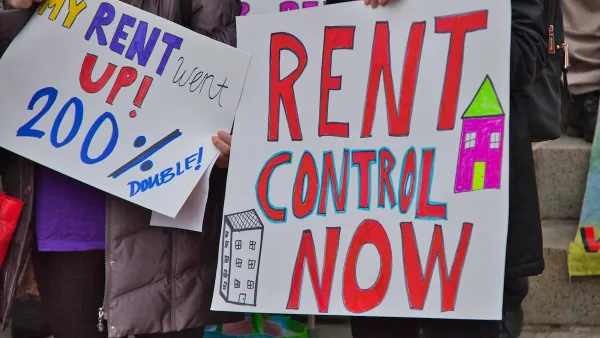
Biden Administration Proposes Federal Rent Hike Limits
A new policy would limit rent increases to 5 percent for landlords receiving federal tax write-offs.
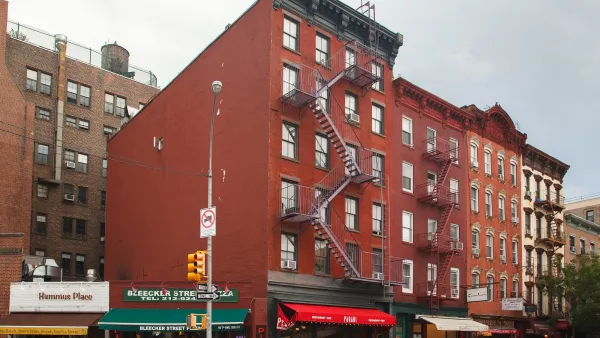
Federal cuts to voucher program put 9,000 New Yorkers at risk of homelessness
The Emergency Housing Voucher program is ending years ahead of schedule, forcing housing agencies to find new ways to support roughly 70,000 households nationwide.

NYC Mayor Mamdani Backs Down on Expanded Rental Assistance Program, Citing $7 Billion Deficit
The new mayor had promised to expand the CityFHEPS rent assistance program to an additional 47,000 households.

Planetizen Federal Action Tracker
A weekly monitor of how Trump’s orders and actions are impacting planners and planning in America.

The state-sanctioned urbicide of Austin
People don’t kill cities. Freeways do.

US to reduce Colorado River water deliveries to Mexico
A new Colorado Treaty amendment reduces Mexico’s Colorado River water allocation by 250,000 acre feet.

5 New England states march closer to 800 megawatt wind energy project
Securing federal approval for the project may be complicated under the Trump administration, which has historically been hostile towards domestic wind power.

Baltimore to break ground on $50 million Transit Priority Project
The project will bring faster bus trips, safer streets and better bike connections to Baltimore.

Airbnb launches $250 million 'last-dollar financing' housing accelerator, makes first investment in Austin
The company will put $6.4 million towards affordable housing development in Texas’ capital.

FREE Course: Walkable City 1: Why Walkability?
After describing his path towards focusing on walkability as the essence of good planning, Jeff Speck marches through his five principal reasons for making more walkable places.
Reinventing Malls: Planning Alchemy—Turning Gray Fields Into Gold
The course focuses on the opportunities and imperatives that shape reinvention of mall sites.

Eagle County Government
Harvard University Graduate School of Design
Nashville Planning Department
The Architects Foundation
University of Cincinnati Online
The Pocatello Development Authority
The Urban Renewal Agency of the City of Pocatello
Journal of the American Planning Association