Governor Newsom just signed SB 337, codifying the state's goal to conserve at least 30 percent of California's lands and coastal waters by the year 2030.


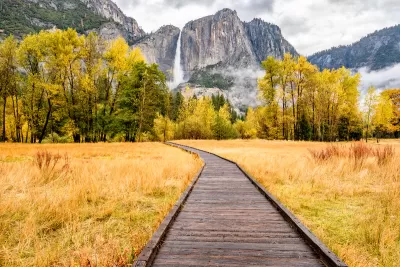
California Governor Gavin Newsom just signed numerous bills, including Senate Bill (SB) 337. SB 337 was introduced by Senator Dave Min (D-Irvine) to formally establish a statewide goal to conserve at least 30 percent of California’s land and coastal waters by 2030, also known as 30x30. Conserving the Earth’s lands and waters is critical to preventing extinctions and protecting biodiversity and ecosystem services. Protecting lands and waters can also reduce greenhouse gas emissions and sequester carbon, helping to advance climate goals.
In October 2020, Governor Newsom signed his Nature Based Solutions Executive Order (EO) N-82-20, elevating the role of natural and working lands in the fight against climate change and advancing biodiversity conservation as an administration priority. As part of this executive order, California is committed to the goal of conserving 30 percent of our lands and coastal waters by 2030. With the signing of SB 337, this goal has now been codified.
California’s 30x30 initiative is part of an international movement to conserve natural areas across the planet, through which scores of countries have established their own 30x30 commitments. California’s initiative seeks to protect and restore biodiversity, expand access to nature, and mitigate and build resilience to climate change.
FULL STORY: Governor Newsom Issues Legislative Update 10.7.23

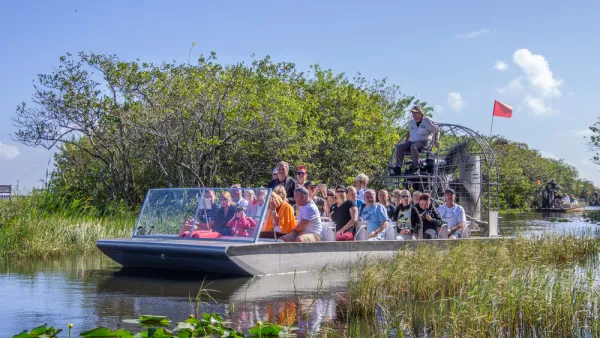
Everglades Restoration To Receive $1.1 Billion in Federal Funds
An 'unprecedented' investment of more than one billion dollars will go toward efforts to restore and conserve the fragile and troubled South Florida ecosystem.

Study: How Urban Parks Can Support Biodiversity
Conservation and recreation can go hand in hand in urban green spaces designed to serve both humans and local wildlife.
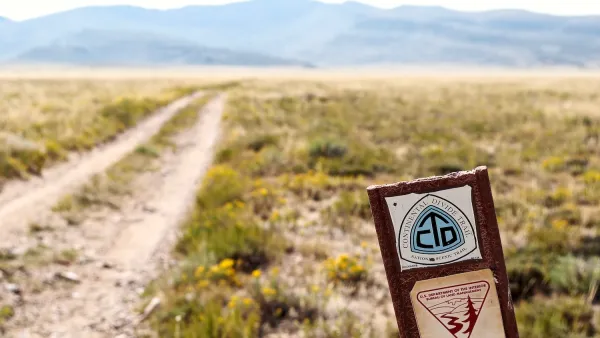
BLM To Rescind Public Lands Rule
The change will downgrade conservation, once again putting federal land at risk for mining and other extractive uses.

Planetizen Federal Action Tracker
A weekly monitor of how Trump’s orders and actions are impacting planners and planning in America.

The state-sanctioned urbicide of Austin
People don’t kill cities. Freeways do.

US to reduce Colorado River water deliveries to Mexico
A new Colorado Treaty amendment reduces Mexico’s Colorado River water allocation by 250,000 acre feet.

Baltimore to break ground on $50 million Transit Priority Project
The project will bring faster bus trips, safer streets and better bike connections to Baltimore.

Airbnb launches $250 million 'last-dollar financing' housing accelerator, makes first investment in Austin
The company will put $6.4 million towards affordable housing development in Texas’ capital.

Guerilla urbanists are building DIY bus stop benches in Chicago
A before-and-after of one of the bus stops with a new bench. The new benches are not officially sanctioned or permitted, but the residents who placed them hope they will be the start of a network of DIY benches across the city.

FREE Course: Walkable City 1: Why Walkability?
After describing his path towards focusing on walkability as the essence of good planning, Jeff Speck marches through his five principal reasons for making more walkable places.
Reinventing Malls: Planning Alchemy—Turning Gray Fields Into Gold
The course focuses on the opportunities and imperatives that shape reinvention of mall sites.

Eagle County Government
Harvard University Graduate School of Design
Nashville Planning Department
The Architects Foundation
University of Cincinnati Online
The Pocatello Development Authority
The Urban Renewal Agency of the City of Pocatello
Journal of the American Planning Association