The state needs close to $8 billion over the next two decades to maintain and modernize its rural water infrastructure.


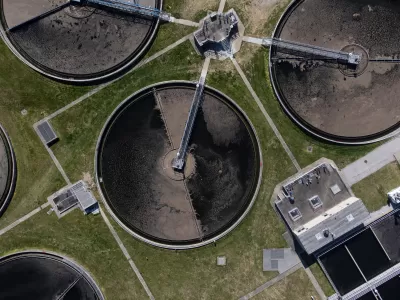
Writing for Louisville Public Media, Ryan Van Velzer highlights the growing crisis in Kentucky’s water systems. As Van Velzer explains, “The average age of a water treatment plant in Kentucky is 38 years old, the average water main is 40 years old, and the state still has an estimated 40,000 lead service lines.”
Van Velzer adds, “Many of the state’s water utilities lack the rate structures and customer bases to cover the costs of repairs; they just don’t cover enough people to make up the difference. That results in deficient systems, deferred maintenance and a ballooning backlog of repairs.”
According to the U.S. Environmental Protection Agency, the state should spend more than $7.8 billion to bring its water systems up to date over the next 20 years.
The problem extends to staffing, too. “A survey from last year found only 20% of the state’s water utility workforce was under the age of 35. More than a third of operators and managers plan to retire in the next six years,” signaling a coming staff shortage.
Read the full story: Kentucky’s rural water systems are struggling, lacking skilled labor and funding

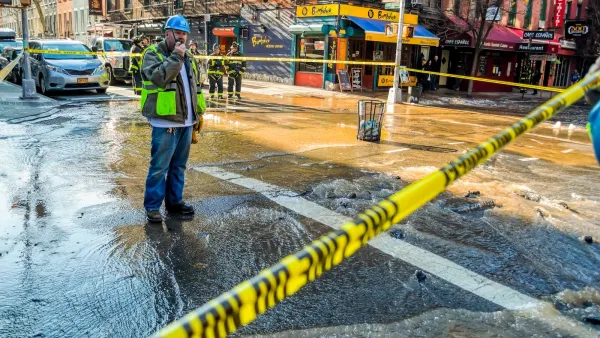
Public works officials indicate alarming decline in condition of water and sewer systems
Increased awareness of infrastructure issues combined with aging equipment and more extreme weather are leading more public works officials to feel their local systems are 'unsatisfactory.'
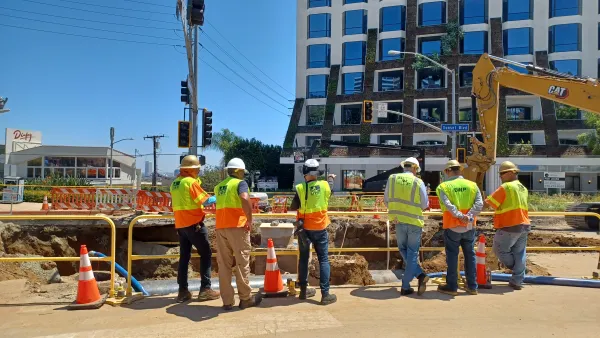
Climate change is battering US water systems
The American Water Works Association estimates that roughly $2 trillion will be needed to update municipal water systems for contemporary conditions.
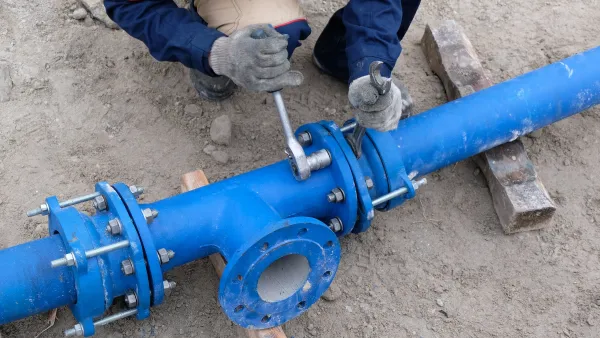
Replacing lead pipes in Chicago costs more than 6 times the national average — and authorities can't explain why
Replacing one lead pipe in Chicago costs around $31,000, while the national average cost sits at around $4,700 per line.

Planetizen Federal Action Tracker
A weekly monitor of how Trump’s orders and actions are impacting planners and planning in America.

The state-sanctioned urbicide of Austin
People don’t kill cities. Freeways do.

US to reduce Colorado River water deliveries to Mexico
A new Colorado Treaty amendment reduces Mexico’s Colorado River water allocation by 250,000 acre feet.

Brightline West’s future may rely on $6 billion federal loan
The company has until Nov. 2 to make a $400 million equity investment into its proposed high-speed rail line.

LA Metro’s ultimatum: no extra buses for LA28 if federal funding isn’t imminently secured
If Metro does not provide additional buses, LA28 organizers will have to find a new way to manage Olympic traffic. LA28’s budget does not include a line item for transit.

Colorado’s Largest Data Center Could Rise Next to Homes — Without a Public Hearing
The proposed campus would consume 11 times the power of Denver International Airport; as it has across the country, opposition mounts.

FREE Course: Walkable City 1: Why Walkability?
After describing his path towards focusing on walkability as the essence of good planning, Jeff Speck marches through his five principal reasons for making more walkable places.
Reinventing Malls: Planning Alchemy—Turning Gray Fields Into Gold
The course focuses on the opportunities and imperatives that shape reinvention of mall sites.

Eagle County Government
Harvard University Graduate School of Design
Nashville Planning Department
The Architects Foundation
University of Cincinnati Online
The Pocatello Development Authority
The Urban Renewal Agency of the City of Pocatello
Journal of the American Planning Association