The city hopes streamlining the construction of multifamily housing will slow the growth of housing costs and prevent the displacement of residents as the city grows.



The zoning reform movement is making headway north of the border, with Toronto approving two- to four-unit multiplexes, also known as ‘missing middle housing,’ across the city, according to a report by Shawn Jeffords on CBC.
The move is part of a plan to build 285,000 new homes in the next decade to address the city’s rising housing costs. “With the vote, council will change the types of permissions needed to build a multiplex, ensuring property owners who want to build one can now apply for a building permit rather than a much more rigourous approval to change the city's official plan or zoning by-laws.”
“The city is expecting 700,000 new residents by 2051, but with sky-rocketing home and rental prices affordability is already a problem,” Jeffords explains. Councillor Brad Bradford, a supporter of the decision, acknowledged the multiplex rule wouldn’t be a silver bullet solution for the housing crisis, but said that the city needs “1,000 points of innovation.”
FULL STORY: Toronto city council approves multiplexes to address growing housing crisis

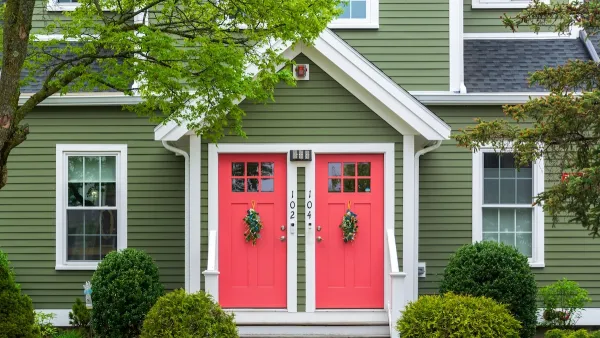
Harvard Report Cites Zoning, Construction Costs as Obstacles to New Housing
Zoning restrictions and onerous building codes make mid-sized multifamily housing prohibitively expensive or illegal to build.
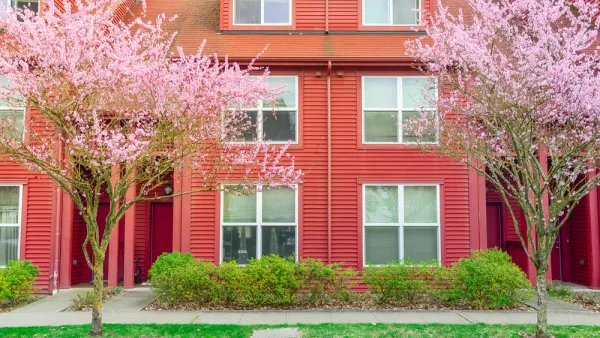
‘Missing Middle Housing’ Bill Passes in Washington Senate
The legislation would permit duplexes and, in some cases, fourplexes in residential areas in most Washington towns.

Dallas Code Reform Makes Way for Missing Middle Housing
The Dallas City Council voted to change the city’s building code to allow up to eight residential units in three-story buildings.

Planetizen Federal Action Tracker
A weekly monitor of how Trump’s orders and actions are impacting planners and planning in America.

The state-sanctioned urbicide of Austin
People don’t kill cities. Freeways do.

US to reduce Colorado River water deliveries to Mexico
A new Colorado Treaty amendment reduces Mexico’s Colorado River water allocation by 250,000 acre feet.

5 New England states march closer to 800 megawatt wind energy project
Securing federal approval for the project may be complicated under the Trump administration, which has historically been hostile towards domestic wind power.

Baltimore to break ground on $50 million Transit Priority Project
The project will bring faster bus trips, safer streets and better bike connections to Baltimore.

Airbnb launches $250 million 'last-dollar financing' housing accelerator, makes first investment in Austin
The company will put $6.4 million towards affordable housing development in Texas’ capital.

FREE Course: Walkable City 1: Why Walkability?
After describing his path towards focusing on walkability as the essence of good planning, Jeff Speck marches through his five principal reasons for making more walkable places.
Reinventing Malls: Planning Alchemy—Turning Gray Fields Into Gold
The course focuses on the opportunities and imperatives that shape reinvention of mall sites.

Eagle County Government
Harvard University Graduate School of Design
Nashville Planning Department
The Architects Foundation
University of Cincinnati Online
The Pocatello Development Authority
The Urban Renewal Agency of the City of Pocatello
Journal of the American Planning Association