Average U.S. rent burden reached 30 percent for the first time ever at the end of 2022, according to a recent analysis.



The national average rent-to-income (RTI) in the final quarter of 2024 rose 1.5% from year-ago and 0.2% from Q3, according to recent analysis by Moody’s. It’s the first time RTI has reached 30% since Moddy’s began tracking the data more than 20 years ago.
An online article, linked below, shares more details from the report, including context of how rent-to-income trends break down at the regional level and how they shifted during the pandemic.
According to the analysis, Nevada (+4.9%), Florida (+4.8%), Alabama (+4.2%), South Carolina (+4.2%), Arizona (+4.1%), and New Mexico (4.0%) have experienced the highest increase in the state’s average rent burden over the past three years, due mostly to rental prices increases outpacing household income growth.
A few states have achieved recent relief from rent burden, however. RTI dropped in Maryland (-0.62%), Oklahoma (-0.49%), Arkansas (-0.16%), Minnesota (-0.08%), and Utah (-0.02%) over the course of 2022. In Q4, Georgia (-1.7%) and Maryland (-1.2%) both recorded average rent decline at the state level.
FULL STORY: Key Takeaways from the 4th Quarter Housing Affordability Update

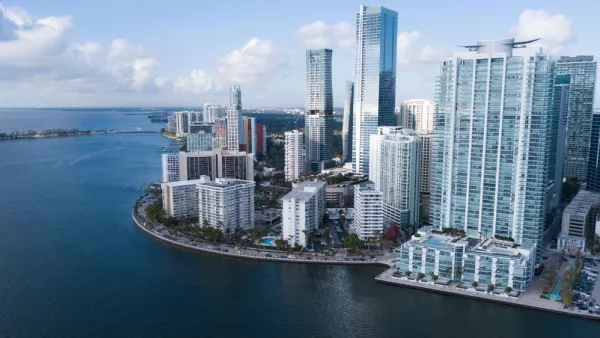
Miami Housing More Expensive Than New York City, Report Says
New data shows stratospheric housing costs in cities not named New York.

Coping With Rent Burden
The rent eats first, they say. But how do people survive when the rent also eats almost everything?

NYC Mayor Mamdani Backs Down on Expanded Rental Assistance Program, Citing $7 Billion Deficit
The new mayor had promised to expand the CityFHEPS rent assistance program to an additional 47,000 households.

Planetizen Federal Action Tracker
A weekly monitor of how Trump’s orders and actions are impacting planners and planning in America.

The state-sanctioned urbicide of Austin
People don’t kill cities. Freeways do.

US to reduce Colorado River water deliveries to Mexico
A new Colorado Treaty amendment reduces Mexico’s Colorado River water allocation by 250,000 acre feet.

5 New England states march closer to 800 megawatt wind energy project
Securing federal approval for the project may be complicated under the Trump administration, which has historically been hostile towards domestic wind power.

Baltimore to break ground on $50 million Transit Priority Project
The project will bring faster bus trips, safer streets and better bike connections to Baltimore.

Airbnb launches $250 million 'last-dollar financing' housing accelerator, makes first investment in Austin
The company will put $6.4 million towards affordable housing development in Texas’ capital.

FREE Course: Walkable City 1: Why Walkability?
After describing his path towards focusing on walkability as the essence of good planning, Jeff Speck marches through his five principal reasons for making more walkable places.
Reinventing Malls: Planning Alchemy—Turning Gray Fields Into Gold
The course focuses on the opportunities and imperatives that shape reinvention of mall sites.

Eagle County Government
Harvard University Graduate School of Design
Nashville Planning Department
The Architects Foundation
University of Cincinnati Online
The Pocatello Development Authority
The Urban Renewal Agency of the City of Pocatello
Journal of the American Planning Association