Voters in Western states generally favored candidates who support public land conservation in this November’s election and rejected extremist rhetoric.


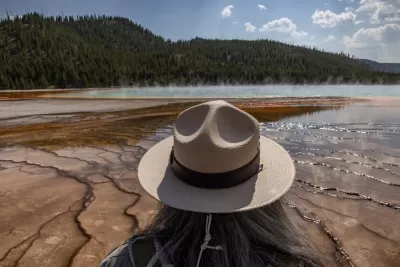
According to an article by Jonathan Thompson in High Country News, voters in the western United States generally favored public land conservation in this month’s election, but races across the West yielded mixed results.
As Thompson puts it, with the defeat of Ammon Bundy and other candidates with extreme views, “Western voters generally chose pragmatism over ideology, moderation over extremism and competent governance over outright lunacy, drawing a collective sigh of relief from most reasonable folks.” In New Mexico, voters overwhelmingly elected Democrats in what Thompson calls a “blue tsunami,” bucking the convention that high gas prices hurt the party currently in power.
Thompson describes some of the pro-conservation candidates who won their races, as well as some right-leaning winners who have expressed hostility toward conservation, such as Ryan Zinke and Lauren Boebert. See the source article for an analysis of how election results could impact conservation and public lands in the West.
FULL STORY: Western voters favor public lands

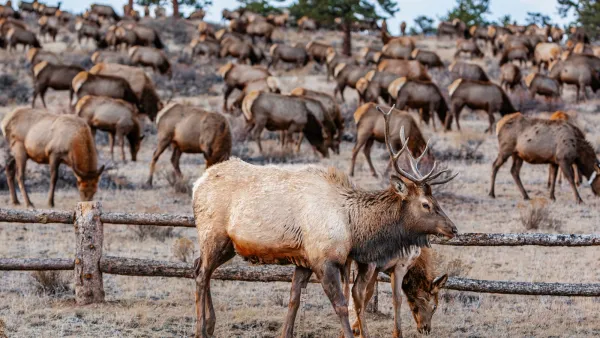
Colorado oil and gas land lease on public land could imperil nation's largest elk herd
The federal government approved the largest land lease to oil and gas interests in Colorado history.
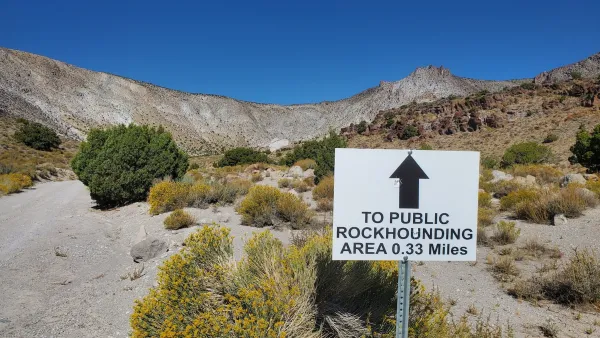
Supreme Court cements access to millions of acres of 'checkerboard' public land
A Tenth Circuit court ruled that private property owners can't prevent people from accessing 'corner-locked' public lands.
September Must-Reads: Top 10 Articles From Last Month
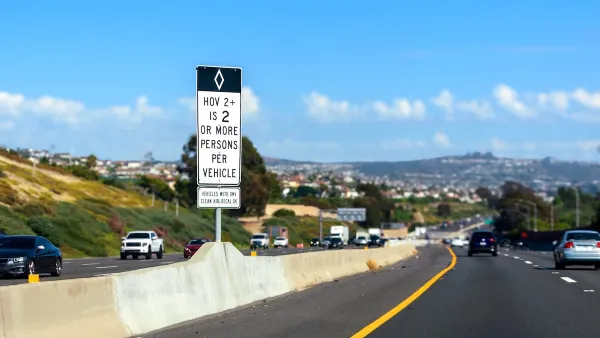
EV drivers can no longer use carpool lanes alone, Bay Area transit is saved — for now — by a $750 million loan, and a Florida commuter rail line loses its state subsidy, jeopardizing its future.

Planetizen Federal Action Tracker
A weekly monitor of how Trump’s orders and actions are impacting planners and planning in America.

The state-sanctioned urbicide of Austin
People don’t kill cities. Freeways do.

US to reduce Colorado River water deliveries to Mexico
A new Colorado Treaty amendment reduces Mexico’s Colorado River water allocation by 250,000 acre feet.

5 New England states march closer to 800 megawatt wind energy project
Securing federal approval for the project may be complicated under the Trump administration, which has historically been hostile towards domestic wind power.

Baltimore to break ground on $50 million Transit Priority Project
The project will bring faster bus trips, safer streets and better bike connections to Baltimore.

Airbnb launches $250 million 'last-dollar financing' housing accelerator, makes first investment in Austin
The company will put $6.4 million towards affordable housing development in Texas’ capital.

FREE Course: Walkable City 1: Why Walkability?
After describing his path towards focusing on walkability as the essence of good planning, Jeff Speck marches through his five principal reasons for making more walkable places.
Reinventing Malls: Planning Alchemy—Turning Gray Fields Into Gold
The course focuses on the opportunities and imperatives that shape reinvention of mall sites.

Eagle County Government
Harvard University Graduate School of Design
Nashville Planning Department
The Architects Foundation
University of Cincinnati Online
The Pocatello Development Authority
The Urban Renewal Agency of the City of Pocatello
Journal of the American Planning Association