The Texas capital's iconic music scene could suffer as higher housing costs push musicians out of the city.


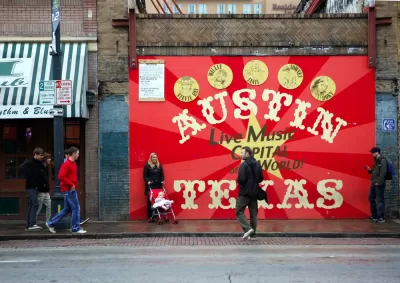
Inexpensive housing helped build Austin's thriving music scene, writes Miles Bloxson. For decades, musicians flocked to the city, taking advantage of affordable rents and home prices to build one of the country's most vibrant music communities. But now, the explosive rise in housing costs could effectively destroy it. According to the author of the 2015 Austin Music Census, Nikki Rowling, "musicians’ incomes have ‘not kept up with the times or inflation or affordability issues in any way.’” Today, one fifth of Austin musicians live below the poverty line, with close to a third living just above it.
Even before the pandemic, Austin musicians had started leaving the city to search for more affordable housing. Since 2009, the average home price rose from $187,000 to $500,000, with prices rising by $100,000 in the first half of 2021 alone and average rents going up by roughly $300.
Meanwhile, housing construction in Austin and other booming cities around the country is experiencing delays due to supply chain and labor problems, while costs continue to skyrocket in an overheated housing market made more competitive by the pandemic. Left to market forces, many of Austin’s musicians may find themselves forced to relocate to more affordable communities.
FULL STORY: How Austin's housing market helped build the music scene, and how it could destroy it

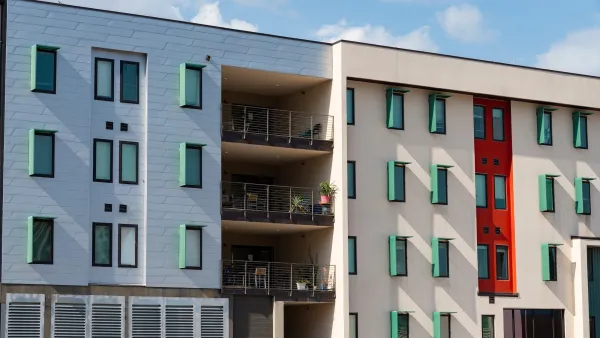
Austin's building boom fails to reach the poorest residents
Although the city has built thousands of new homes, few of them are available to the lowest-earning households.
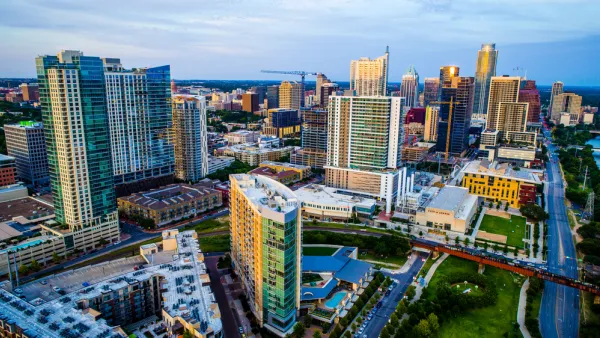
Austin Mayor Proposes New Bond To Address Housing Crisis
Mayor Steve Adler is developing a proposal to sell up to $500 million in bonds for affordable housing as the city's housing costs continue to soar and demand for housing remains at a historic high.

World's Largest 3D-Printed Community Planned In Austin
The process aims to reduce labor hours and material waste, dramatically cutting construction costs for new housing.

The state-sanctioned urbicide of Austin
People don’t kill cities. Freeways do.

US to reduce Colorado River water deliveries to Mexico
A new Colorado Treaty amendment reduces Mexico’s Colorado River water allocation by 250,000 acre feet.

New Jersey’s second-largest city bans standalone data centers
Jersey City will continue to allow co-location facilities, such as those meant for research institutions that store their own data.

Amtrak not solely to blame for New Jersey commuter rail's unreliability, report finds
A new study from the Garden State Initiative found that NJ Transit’s budget grew 20% across a 4 year period, but reliability declined significantly over the same period.

EPA erases limits on planet-warming pollution from power plants
Under Monday’s plan, power plants would still have some limits on how much mercury, arsenic and other contaminants they can emit.

Phoenix announces new on-demand transit service, more frequent RAPID buses
Both new services will launch in October, and are part of Phoenix's Project Effective Access Solutions for Easing Congestion.

FREE Course: Walkable City 1: Why Walkability?
After describing his path towards focusing on walkability as the essence of good planning, Jeff Speck marches through his five principal reasons for making more walkable places.
Reinventing Malls: Planning Alchemy—Turning Gray Fields Into Gold
The course focuses on the opportunities and imperatives that shape reinvention of mall sites.

Eagle County Government
Harvard University Graduate School of Design
Nashville Planning Department
The Architects Foundation
University of Cincinnati Online
The Pocatello Development Authority
The Urban Renewal Agency of the City of Pocatello
Journal of the American Planning Association