Denver and Los Angeles kicked the new year off by committing to the enforcement of a sleeping ban and sweeping away a large homeless encampment, respectively.


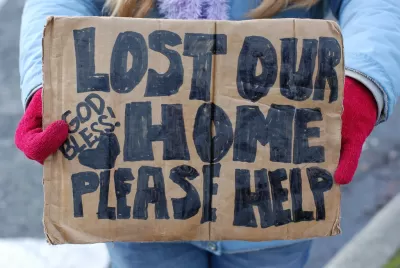
"Denver police will resume their enforcement of the city’s controversial urban camping ban — likely by the end of the week — after a more than two-week hiatus," reports Conrad Swanson.
Denver City Attorney Kristin Bronson is committing to the enforcement of the ban approved by the City Council in 2012, despite a county court dismissing a ticket issued to a homeless man for violating the law. "While the ruling said the ban amounts to cruel and unusual punishment, it did not strike down the law or prohibit the city from enforcing it," explains Swanson of Bronson's take on the ruling.
According to Swanson, the Denver City Council approve the law specifically to respond to Boise v. Martin, but the court ruling cited that case in tossing the ticket issued by the city.
"So the Denver camping ban included language that ensured people are offered shelter before police ticket or arrest them, Bronson said, and since then the ordinance has been enforced judiciously and compassionately," writes Swanson.
Meanwhile in Los Angeles: "The final phase of a cleanup of homeless encampments in the Sepulveda Basin Recreation Area began early Wednesday morning," report Elizabeth Chou and Ariella Plachta. The clean up is expected to continue for several weeks, after months of previous work to clean up other nearby camps.
"Wednesday’s cleanup effort targets a floodplain near Encino Creek, an area people are legally not supposed to enter because of dangers posed during heavy rain," according to the article. "The area floods when Army Corps of Engineers operators close the Sepulveda Dam." The article includes on the ground accounts of the homeless people living in the area and displaced by the clean up.
FULL STORY: Police will resume enforcing Denver camping ban, city attorney says

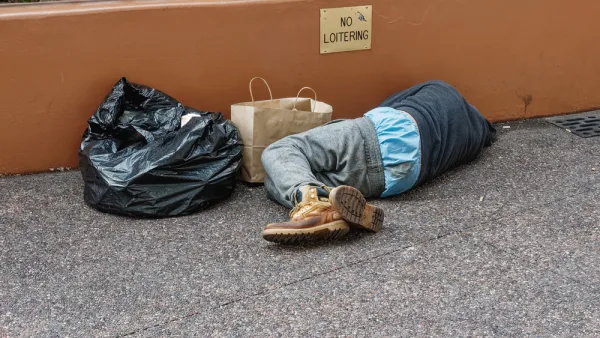
Las Vegas Approves Homeless Camping Ban
The city of Las Vegas has approved a law that prohibits the homeless from camping in large swaths of the city. The measure provoked the opposition on most of the public in attendance at a City Council hearing this week.
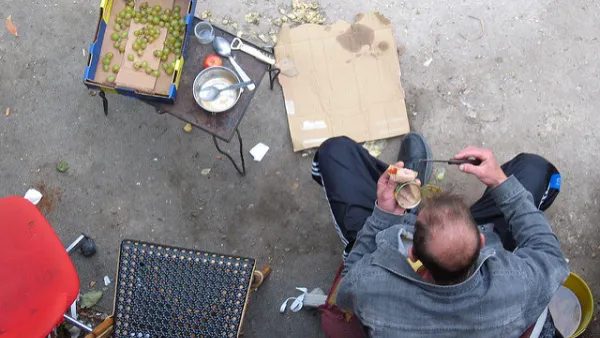
Will Appeal of Landmark Appeals Court Ruling Allow for Clearing of Tent Cities?
If the Supreme Court hears an appeal of a landmark U.S. Ninth Circuit Court case settled in April, the ruling would have widespread implications for dealing with homeless encampments throughout the West, perhaps nowhere more so than Los Angeles.
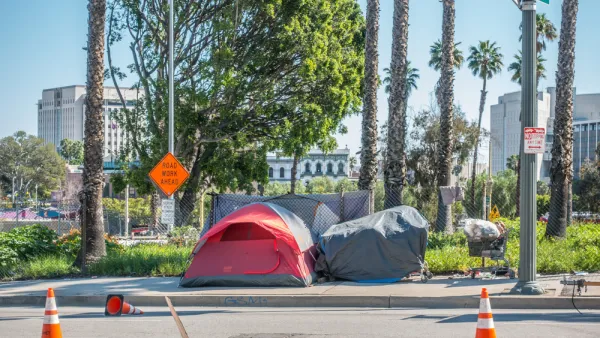
Los Angeles Could Broaden Homeless Sleeping Prohibition to a Quarter of the City
There won't be many places left to sleep for the massive population of homeless living in the city of Los Angeles.

The state-sanctioned urbicide of Austin
People don’t kill cities. Freeways do.

US to reduce Colorado River water deliveries to Mexico
A new Colorado Treaty amendment reduces Mexico’s Colorado River water allocation by 250,000 acre feet.

New Jersey’s second-largest city bans standalone data centers
Jersey City will continue to allow co-location facilities, such as those meant for research institutions that store their own data.

Amtrak not solely to blame for New Jersey commuter rail's unreliability, report finds
A new study from the Garden State Initiative found that NJ Transit’s budget grew 20% across a 4 year period, but reliability declined significantly over the same period.

EPA erases limits on planet-warming pollution from power plants
Under Monday’s plan, power plants would still have some limits on how much mercury, arsenic and other contaminants they can emit.

Phoenix announces new on-demand transit service, more frequent RAPID buses
Both new services will launch in October, and are part of Phoenix's Project Effective Access Solutions for Easing Congestion.

FREE Course: Walkable City 1: Why Walkability?
After describing his path towards focusing on walkability as the essence of good planning, Jeff Speck marches through his five principal reasons for making more walkable places.
Reinventing Malls: Planning Alchemy—Turning Gray Fields Into Gold
The course focuses on the opportunities and imperatives that shape reinvention of mall sites.

Eagle County Government
Harvard University Graduate School of Design
Nashville Planning Department
The Architects Foundation
University of Cincinnati Online
The Pocatello Development Authority
The Urban Renewal Agency of the City of Pocatello
Journal of the American Planning Association